
How to Grow Wasabi in Australia
Wasabi grows from a rhizome and needs bright shade, cool air of about 8 to 20°C and soil that stays moist but drains. Plant in mild weather with the crown 1 cm above the soil, 30 cm apart, under 75 to 80 per cent shade cloth. Pick a few leaves as it grows, and lift the rhizome after 18 to 24 months.

| Sun | Bright shade, no direct sun |
|---|---|
| Water | Constantly moist, never waterlogged |
| Soil | Rich, moist, free-draining, pH 6.0 to 7.0 |
| Feed | Light; half-strength feeds only |
| Spacing | 30 cm apart |
| Depth | Crown 1 cm above soil |
| Germination | Planted rhizome: new leaves within several weeks |
| Harvest | Rhizome after 18 to 24 months |
| Container | Yes; 30 cm pot, about 13.5 L |
| Frost | Survives light frost; shelter from hard frost |
| Use | Grated rhizome; leaves and stalks fresh or pickled |
Wasabi (Eutrema japonicum, also known as Wasabia japonica) is a perennial of the cabbage family, Brassicaceae, grown for its grated rhizome and its edible leaves. The rhizome (a thickened stem that sits at the soil surface) takes 18 to 24 months to size up. Wasabi needs shade, cool air and constant moisture at once, which is why Tasmania grows it commercially. On the mainland, summer heat is the bigger risk, since frost-damaged plants usually regrow.
Three mistakes that matter
- Planting in sun or heat. Direct sun and air above about 25°C stress wasabi, and a young plant that wilts often dies. Grow it in the bright, dappled shade that Site, soil and setup describes, out of the wind.
- Letting it dry out, or leaving it in still water. Dry soil wilts the leaves, while soggy, airless soil rots the roots. Keep the soil constantly moist but free-draining, and water until it runs through rather than leaving pots in full saucers.
- Digging the rhizome too soon. A plant lifted in its first year gives a small rhizome without its full flavour. Pick a few leaves meanwhile and leave the rhizome to size up, as Harvesting Rhizomes describes.
When to plant
Plant when the weather is mild, because wasabi grows best with air between about 8 and 20°C. Autumn, around Anzac Day, gives a plant the cool months to settle before its first summer, and spring planting suits frosty districts. One planting lasts for years, and its offsets restock the bed.
| Zone | Example cities | Plant | Harvest | Notes |
|---|---|---|---|---|
| Tropical | Darwin NT; Cairns, Townsville QLD; Broome WA | Not recommended | Not recommended | Year-round heat stresses wasabi. One Kuranda grower has raised it in a shade-cloth greenhouse, a rare exception. |
| Subtropical | Brisbane, Gold Coast, Sunshine Coast QLD; Coffs Harbour, Lismore NSW | Apr-Jun | May-Aug | Marginal. Plant in pots as the heat eases, keep in deep shade, and move to the coolest spot in summer. |
| Arid and semi-arid | Alice Springs NT; Broken Hill, Dubbo NSW; Mildura VIC; Kalgoorlie WA | Not recommended | Not recommended | Hot, dry summer air and high evaporation scorch wasabi, even under shade cloth. |
| Temperate | Sydney, Newcastle, Wollongong NSW; Melbourne, Geelong VIC | Mar-May and Aug-Sep | Mar-May and Sep-Nov | Plant around Anzac Day or in early spring. Melbourne, the cool end of the zone, suits it best. |
| Mediterranean | Perth, Bunbury WA; Adelaide and the SA coast | Apr-Jun | May-Sep | Plant with the autumn rains. Dry summer heat is the test, so grow in pots under heavy shade. |
| Cool and alpine | Hobart, Launceston TAS; Canberra ACT; Ballarat VIC; Orange NSW | Mar-Apr and Sep-Nov | Mar-May and Sep-Nov | Suits wasabi best. Plant before autumn frosts or after hard frosts pass; mild, sheltered gardens can also plant in winter. |
Site, soil and setup
Wild wasabi grows on shaded, wet stream banks in the mountains of Japan. In a garden, copy the shade and the moisture, and give the roots drainage so they never sit in stale water.
| Get the bed right | What to do |
|---|---|
| Light | Bright, dappled shade all day: shade cloth rated 75 to 80 per cent, or a deciduous tree that shades in summer and lets winter light through |
| Aspect | The south or east side of a fence or building where bright, dappled light still reaches it, out of afternoon sun and wind |
| Soil | Loose, rich in organic matter, moist but free-draining; dig in a 5 cm layer of compost, or 5 to 10 cm of well-rotted cow or horse manure 4 to 6 weeks ahead |
| pH | 6.0 to 7.0; below 6.0, garden lime at 100 to 200 g per square metre 4 weeks ahead; above 7.0, elemental sulphur at 25 to 50 g per square metre 3 months ahead |
| Water | A drip line or microjets on a timer, or a shaded pond edge |
| Rotation | Ground where cabbage-family crops have not grown recently, because wasabi shares their pests and diseases |

Container growing
Pots suit wasabi in warmer districts, because the plant can follow the coolest shade through the year. Give one plant a pot at least 30 cm wide, about 13.5 L; a wine barrel planter holds about eight. Unsealed terracotta cools the roots as water evaporates through its walls. A foam box with drainage holes punched in the base also works. Fill it with a potting mix of neutral pH that holds moisture yet drains freely. One simple mix is four parts potting mix, two parts compost and one part perlite.
- Water: daily through the warm months and every second day in cool weather, until water runs from the drainage holes.
- Feed: worm casting liquid diluted to weak tea colour, fortnightly in spring and autumn.
- Position: deep shade out of the wind, moved to the coolest corner in summer and under cover in frost.
- Saucers: empty them after watering, because wasabi prefers moving water to still.
Planting Rhizomes
Start wasabi from the rhizome, then from the offsets (small plants that form around the crown) it produces over time. Mustard 'Wasabina' and wasabi rocket share the flavour but are different plants, leafy greens grown from seed; see Mustard. Due to quarantine restrictions and our shipping policy, we cannot send wasabi rhizomes to Western Australia or Tasmania.
Pre-sprouting
Keep the rhizome cool and damp until planting, wrapped in damp paper in the refrigerator crisper, and plant it within four weeks. Soak the roots in cool water first and trim any damaged leaves. Pot it into a 15 cm pot of moist potting mix, with the crown at the surface. Stand the pot in bright shade, keep the mix moist, and plant out once new leaves have opened.
Planting out
- Dig a hole twice as wide and deep as the roots, and spread them out in it.
- Set the crown, where the leaf stalks meet, about 1 cm above the soil surface.
- Space plants 30 cm apart.
- Water in well instead of pressing the soil down hard.
- Expect new leaves within several weeks; a rhizome planted in summer or winter may wait until autumn or spring.

Care by growth stage
Steady moisture and cool shade decide the crop far more than feeding. Wasabi draws nutrients efficiently, so feed at half strength.
| Stage | Water | Feed | Watch for |
|---|---|---|---|
| Settling in, weeks 1 to 4 | Daily for the first 4 weeks, keeping the soil moist but not soggy | None until new leaves appear | Limp leaves; snails and slugs on new growth |
| Leafy growth, spring and autumn | In the ground, 3 to 4 times a week without rain; pots daily | Pelletised chicken manure at 50 g per square metre in early spring and autumn | Aphids under leaves; cabbage white caterpillars |
| Summer heat | Daily, at the base by drippers, so leaves stay dry | Seaweed solution at half strength, 15 mL per 9 L, fortnightly for heat stress | Wilting in the afternoon; black spots on leaves |
| Winter | Keep just moist; pots every second day, less in wet spells | None | Frost on leaves; waterlogged soil |
| Second year, months 12 to 24 | The same steady moisture right through to harvest | Sulphate of potash at 15 to 25 g per square metre once in early spring | Offsets crowding the crown; yellowing outer leaves |
If growth stalls in tired soil, a light dose of all-purpose controlled release granular (NPK around 14-5-10) scratched in can help. Weed by hand, and cut off leaves that stay wilted for more than a few days.

Companion planting
Wasabi does best beside plants that share its cool, damp shade, and away from its cabbage-family relatives.
Grows well with
- Deciduous trees, which shade it in summer and let in brighter light in winter.
- Ferns, which want the same cool, moist, sheltered ground.
Keep apart
- Cabbage, kale and mustard, which share cabbage white caterpillars, aphids and clubroot.
- Horseradish, whose spreading roots can take over a bed.
Harvesting Rhizomes
Pick leaves once the plant is growing strongly. Lift the rhizome after 18 to 24 months, in autumn or spring while the weather is cool.
- Snip a few outer leaves and stalks at a time, leaving the young centre leaves.
- Check the rhizome from about 18 months; it is usually 10 to 15 cm long by the second year.
- Lift the whole plant by hand, easing the roots from the soil.
- Break off the offsets around the crown; replant those with four or five healthy leaves at once, and pot up smaller ones.
- Trim the roots and old leaf stalks, and scrub the rhizome clean.

Wrap the rhizome in a damp paper towel and keep it in the refrigerator, where it stays fresh for several weeks. Grate only what you need, on a very fine grater in a circular motion, and let it rest a moment for the heat to develop.
Serve the paste with sushi, sashimi and noodles. Wash the leaves and stalks under running water, then use them fresh in salads and stir-fries, or pickle them.
Common problems
Leaves stay limp after planting out. Roots with poor soil contact cannot keep up, so mist the leaves and check the soil moisture. Replant elsewhere if nothing changes within a week.
Slow decline in a dark corner. Solid shade against a building keeps wasabi cool but too dark to grow, so move it to bright, dappled shade.
Frost-damaged leaves. A frost below about minus 3°C damages the leaves, but plants usually regrow as the weather warms. Cover plants or move pots under shelter on those nights. Read more
A clump of small plants and no thick rhizome. Offsets crowding the crown divide the plant's growth, so break off the extras and pot them up.
Pests and diseases
Wasabi attracts the same pests as its cabbage-family relatives, and its damp, shady home suits slugs and fungi too.
Common garden snail (Cornu aspersum) and grey field slug (Deroceras reticulatum). Both feed at night in cool, wet weather and chew holes in leaves and stalks. Hand-pick them after dark, or trap them under boards. Read more
Cabbage white butterfly (Pieris rapae) and diamondback moth (Plutella xylostella). Their green caterpillars chew ragged holes in the leaves; the diamondback caterpillar is small and wriggles when touched. Pick them off, and fit fine netting over the bed before the butterflies arrive in warm weather. Read more
Green peach aphid (Myzus persicae). Colonies under the leaves curl and discolour them and can spread viruses. A firm jet of water or insecticidal soap knocks them back. Read more
Black leg (Phoma species) and other leaf spots. Black spots appear on leaves, stalks and the rhizome, most often in warm weather. Remove affected leaves and keep the foliage dry.
Soft rot (Erwinia bacteria) and root rot. The crown softens and smells, and roots darken, most often in heat or soggy soil. Lift affected plants and improve drainage and shade before replanting.
Clubroot (Plasmodiophora brassicae). Roots swell and distort, and the plant wilts and stalls because it cannot take up water and nutrients. The disease can stay in soil for up to eight years, so lift affected plants and never plant wasabi where cabbage-family crops have had it.
Prevention first
- Start with a clean tissue-culture rhizome, raised from a small piece of plant tissue in a test tube, and replant only healthy offsets.
- Water at the base with drippers so the leaves stay dry.
- Clear dead leaves and weeds from around the plants.
- Check under leaves and around pots at night for snails, slugs and caterpillars.
Tips
- On a very hot day, stand a potted wasabi in a bucket of water for the hottest hours, then lift it out to drain.
- Cover the mix in a pot with a 5 cm layer of expanded clay balls to reduce disease.
- Replant a few offsets every year, so a rhizome can come ready to lift each year rather than every second year.
Questions
Can you grow real wasabi in Australia?
Yes, in the right spot. Wasabi needs bright shade, cool air between about 8 and 20°C and constantly moist, free-draining soil. It suits cool districts best, and Tasmania grows it commercially. In warmer areas, grow it in a pot that can move to the coolest shade in summer.
How long does wasabi take to grow?
The rhizome usually takes 18 to 24 months to reach a useful size. Leaves and leaf stalks can be picked well before then, a few at a time. Replanting the offsets every year keeps a rhizome coming ready each season.
Does wasabi need full shade?
It needs bright, dappled shade rather than dark shade. Shade cloth rated 75 to 80 per cent, or a deciduous tree, keeps direct sun off the leaves. Solid shade against a building is usually too dark for growth.
Is Mustard Wasabina the same as wasabi?
No. Mustard 'Wasabina' is a leafy mustard grown from seed, with a wasabi-like bite in its leaves. Wasabi rocket is a different plant again, also grown from seed. True wasabi, Eutrema japonicum (also known as Wasabia japonica), is a perennial grown from a rhizome or offset for its grated rhizome.
Can you eat wasabi leaves?
Yes. All parts of the wasabi plant are edible. The leaves and leaf stalks have a milder heat than the rhizome and suit salads and stir-fries, or they can be pickled. Pick a few outer leaves at a time and leave the young centre ones.
Grow it
More edible produce guides
All edible produce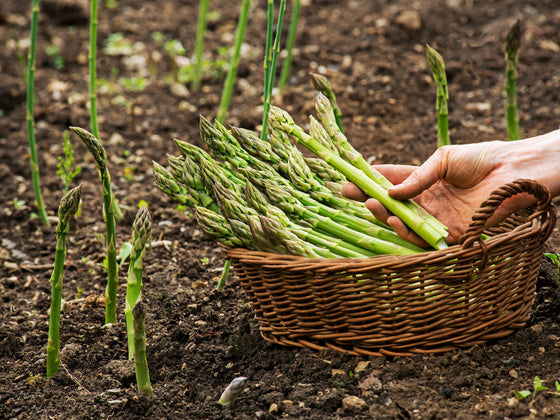
Asparagus
How to grow asparagus from seed in Australia: raising seedlings, planting crowns, a bed of its own, when to start picking spears and cutting back the fern.
| Position | Full sun |
|---|---|
| Depth | Seed 1 to 2 cm |
| Spacing | 30 to 40 cm |
| First pick | Third spring from sowing |
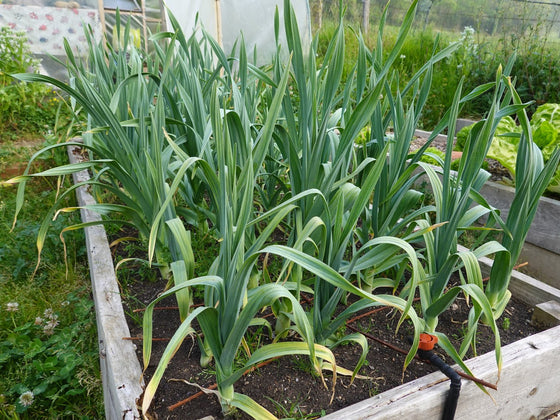
Elephant garlic
Also sold as Russian garlic. Plant the large cloves in April or May, keep the bed weeded and watered, and use the finger test to judge when the bulbs are ready.
| Position | Full sun, 6 hours or more |
|---|---|
| Depth | 5 cm of soil over tip |
| Spacing | 20 to 30 cm |
| First pick | 6 to 8 months |
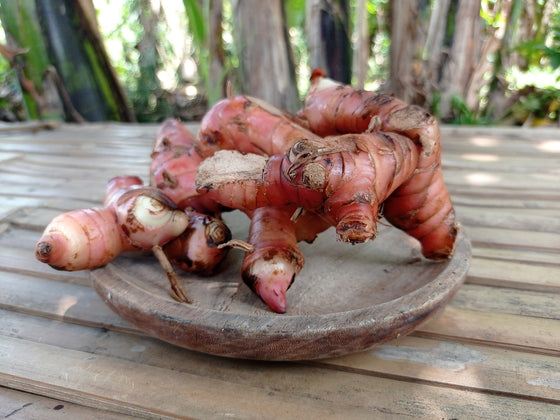
Galangal
Grow Thai red and lesser galangal from rhizomes in Australia: planting months for six zones, pre-sprouting, pots for frosty areas, feeding, pests and harvest.
| Position | Morning sun, afternoon shade |
|---|---|
| Depth | 5 to 7 cm, buds up |
| Spacing | 30 to 45 cm |
| First pick | 17 to 43 weeks |
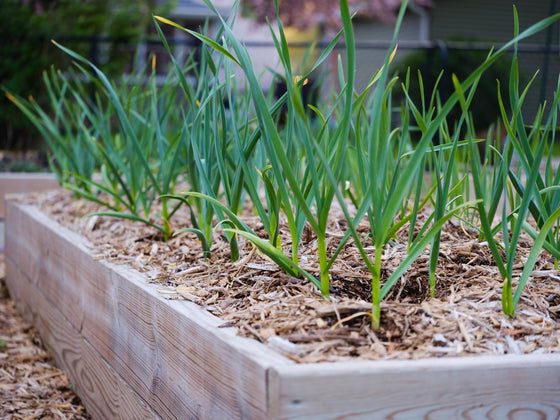
Garlic
When to plant garlic in each Australian climate zone, how deep and how far apart, feeding through winter, and how to tell when the bulbs are ready to lift and cure.
| Position | Full sun, 6 hours or more |
|---|---|
| Depth | Tip 2 to 5 cm deep |
| Spacing | 10 to 15 cm |
| First pick | 22 to 39 weeks |