
How to Grow Shallots in Australia
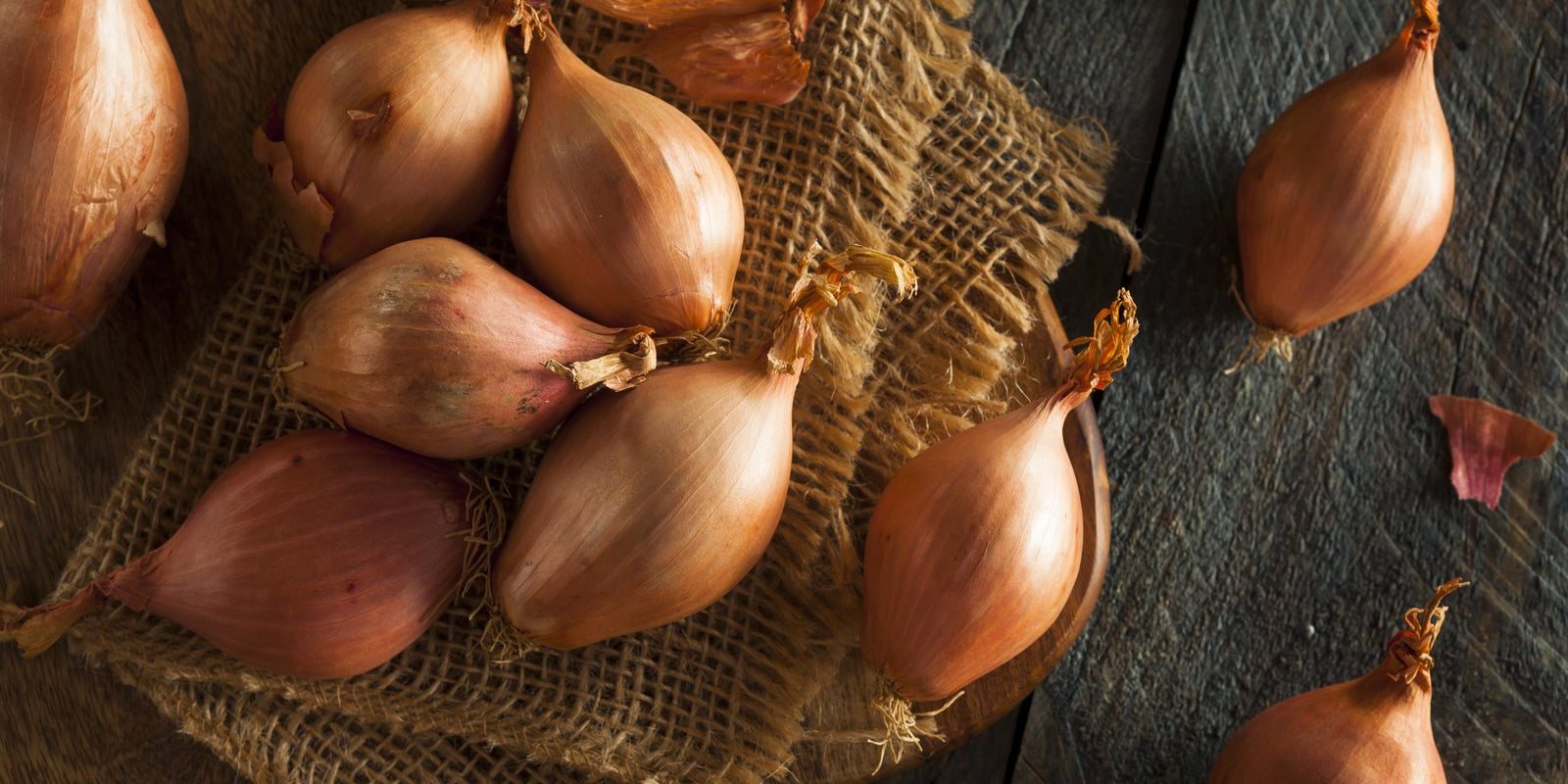
Plant shallot bulbs in full sun and free-draining soil, pressing each in until only the tip shows, 15 to 20 cm apart. Keep the soil evenly moist while the leaves grow, and stop nitrogen once the bulbs swell. Stop watering as the leaves yellow. Lift the clusters 14 to 26 weeks after planting, then cure them for 2 to 3 weeks before storing.
| Sun | Full sun, 6 hours plus |
|---|---|
| Water | Evenly moist; dry off before harvest |
| Soil | Free-draining, pH about 6.0 to 6.5 |
| Feed | Medium; no nitrogen once bulbs swell |
| Spacing | 15 to 20 cm |
| Depth | Tip just showing |
| Germination | Grown from bulbs, with no seed stage |
| Harvest | 14 to 26 weeks |
| Container | Pot 30 cm wide and deep, 20 L |
| Frost | Frost hardy |
| Use | Bulbs raw, pickled, roasted or fried |
Shallot (Allium cepa, Aggregatum group) is a clustering onion in the onion family, Amaryllidaceae, grown for small, mild bulbs that keep for months. Plant one bulb and it splits into a cluster, and a few saved bulbs replant next year's crop. In New South Wales, bunches of spring onions are often sold as shallots, and true shallots as eschalots; for the green kind, see spring onions. What trips most gardeners up is the soil: bulbs set too deep in heavy, over-fed ground tend to rot or keep poorly.
Three mistakes that matter
- Burying the bulbs. A bulb pushed deep into heavy, wet soil sits cold and damp and can rot before it roots. Press each one in until only the tip shows, in free-draining soil or a raised bed.
- Feeding for leaves, not bulbs. Fresh manure and late nitrogen give lush tops, thick necks and soft bulbs that rot in storage. Dig compost in weeks ahead, and stop nitrogen once the bulbs begin to swell.
- Leaving the clusters in the ground. Once the tops yellow and fall over, the bulbs are ripe. Left in the ground, they begin a new growth cycle and the bulbs shrink, so lift them at that sign.
When to plant
Shallots make roots and leaves while days are short and cool, then swell their bulbs as days lengthen and warm. The season sets the window more than soil warmth. The old rule in southern gardens is to plant on the shortest day in June and lift on the longest in December. Plant once a year, since cured bulbs store well.
| Zone | Example cities | Plant | Harvest | Notes |
|---|---|---|---|---|
| Tropical | Darwin, Katherine NT; Cairns, Townsville QLD; Broome WA | Mar-Jun | Jul-Oct | Plant early in the dry season. Golden shallots suit cooler zones; quicker red shallots ripen before the wet season build-up. |
| Subtropical | Brisbane, Bundaberg QLD; Coffs Harbour, Lismore NSW | Mar-Jun | Jul-Dec | Finish by June so the bulbs ripen before the humid summer. |
| Arid and semi-arid | Alice Springs NT; Broken Hill, Dubbo NSW; Mildura VIC; Kalgoorlie WA | Mar-May | Aug-Nov | Plant in autumn so bulbs ripen before summer heat; the plants take inland frost. |
| Temperate | Sydney, Newcastle, Wollongong NSW; Melbourne, Geelong VIC | Apr-Aug | Oct-Jan | April and May plantings root before winter; July and August plantings follow the shortest-day rule. |
| Mediterranean | Perth, Bunbury WA; Adelaide and the SA coast | Apr-Jul | Oct-Dec | Plant through the wet months; lift and cure before the dry heat arrives. |
| Cool and alpine | Hobart, Launceston TAS; Canberra ACT; Ballarat VIC; Orange NSW; Stanthorpe QLD | Jul-Sep | Dec-Mar | Plant in late winter to cut the cold that triggers flowering; plants handle frost. |
Late in a window, plant anyway rather than hold bulbs back, because stored bulbs sprout and soften as their season comes round. In warm zones, finish planting early so the bulbs ripen in dry weather.
Site, soil and setup
| Get the bed right | What to do |
|---|---|
| Sun | Full sun, at least 6 hours a day |
| Drainage | Loose, free-draining soil; in heavy or wet ground, plant in a raised bed |
| pH | About 6.0 to 6.5. Below 6.0, dig in dolomite lime at 100 to 200 g per square metre, 4 weeks before planting |
| Organic matter | A 5 cm layer of compost dug in well before planting; no fresh manure |
| Base feed | Blood and bone at 100 to 150 g per square metre at planting, or an all-purpose controlled release granular (NPK around 14-5-10) at the label rate |
| Rotation | A break of two to three years from onions, garlic, leeks and chives |
Shallots have a small root system, so loosen the top 15 to 20 cm well. Their thin leaves cast little shade, which leaves weeds free to compete for light, water and food. See soil pH and waterlogged soil for more on both.
Container growing
A pot at least 30 cm across and 30 cm deep, holding about 20 L, fits three bulbs. Fill it with a quality vegetable potting mix. Potting mix can carry Legionella bacteria, so wet it down, wear gloves and a P2 mask, and wash your hands afterwards. Red and golden shallots, at 35 to 40 cm tall, suit a pot best.
- Water whenever the top few centimetres of mix dry out; pots need water more often than beds.
- Feed fish and seaweed blend at 25 mL per 9 L fortnightly from shoots until the bulbs begin to swell. An all-purpose soluble (NPK 23-4-18 to 27-5-9) fortnightly at the label rate works too.
- Stand the pot in full sun, on feet so the base drains freely.
Planting Bulbs
Shallots start from bulbs pressed into the soil where they will grow, with no tray stage.
| Type | How it grows | Grow it for |
|---|---|---|
| Golden shallot | Medium to large, like a small onion; about 25 to 26 weeks to harvest | Long keeping, up to 12 months |
| Red shallot | Compact bulbs; about 14 to 18 weeks to harvest | A shorter season, so the better pick for warm zones; keeps up to 6 months |
| French echalion (banana shallot) | A cross between an onion and a shallot, with long bulbs that peel easily | Slicing, braising and roasting |
| Potato onion | A multiplier onion in the same group, with rounder bulbs that stay wrapped in the parent's skin longer | A sharper flavour for hearty dishes |
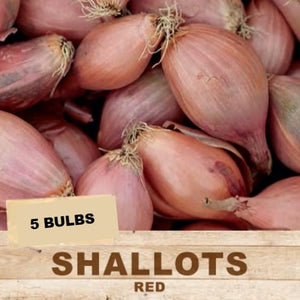
Golden and red shallots also come in golden and red packs of five. The assorted mix holds red, golden and banana shallots and potato onions, unlabelled, and all four grow the same way. Due to quarantine restrictions and our shipping policy, we cannot send shallot bulbs to Western Australia or Tasmania. For large single bulbs, see onions; for cloves, garlic and elephant garlic; for long white stems, leeks.
Preparation and vernalisation
Vernalisation is a spell of cold, roughly 5°C to 12°C for several weeks, that switches an onion-family plant from making leaves to making flowers. A shallot that flowers puts less into its bulbs, and those bulbs keep poorly. Store bulbs dry and airy at room temperature until planting, never in the fridge. Plant medium bulbs rather than the biggest, which bolt (run to flower) more readily. In cool zones, a late-winter planting spends fewer weeks in the cold.
Planting in the bed
- Split clusters into single bulbs just before planting.
- Press each bulb in, root plate down, until only the pointed tip shows.
- Space bulbs 15 to 20 cm apart in rows 20 to 30 cm apart.
- Firm the soil and water in with seaweed solution at 30 mL per 9 L.
- Keep the soil moist but not wet until shoots show.
- Birds sometimes pull new bulbs out. Push them back, and lay white, taut netting with mesh too small for a finger if it keeps happening.

Care by growth stage
Even moisture while the leaves grow, then a dry finish, decides how well the bulbs keep. Weeks count from planting; red shallots finish sooner, golden ones later, and cold weather stretches every stage.
| Stage | Water | Feed | Watch for |
|---|---|---|---|
| Rooting, weeks 0 to 3 | Moist, never soggy; water when the soil is dry 5 cm down | Nothing beyond the base feed and the seaweed solution at planting | Bulbs lifted by birds; rot in wet soil |
| Leaf growth, weeks 3 to 10 | Keep evenly moist; water the soil in the morning, not the leaves | Fish and seaweed blend at 25 mL per 9 L fortnightly, or an all-purpose soluble (NPK 23-4-18 to 27-5-9) fortnightly at the label rate | Weeds; silvery flecks from thrips; pale patches of downy mildew |
| Bulb swelling, weeks 10 to 24 | Keep evenly moist; the roots are shallow | Sulphate of potash at 30 to 50 g per square metre once, watered in, or a high-potassium soluble (0-0-41) fortnightly at the label rate; no more nitrogen | Flower stems; orange rust bumps |
| Ripening, the last 1 to 2 weeks | Stop watering once the leaves start to yellow, 1 to 2 weeks before lifting | None | Thick necks that stay green, which keep poorly |
Once shoots are up, mulch along the rows with straw to hold moisture and smother weeds. Pull any weeds that do come through by hand, because a hoe can nick the shallow bulbs.
Companion planting
Shallots are slim and low, so they tuck in beside other low crops that do not shade them.
Grows well with
- Carrots, whose fine foliage casts little shade on the shallot row.
- Lettuce, low and quick, picked before the shallots need the room.
- Beetroot and silverbeet, low leafy crops that leave the row in sun.
Keep apart
- Onions, garlic, leeks and chives, which share thrips, rust and white rot.
- Climbing peas and beans, which shade the low row.
Harvesting Bulbs
Lift shallots when most of the leaves have yellowed and fallen over, usually 14 to 26 weeks after planting.
- Lift one cluster first. If the bulbs are small, leave the rest two to three weeks and check again.
- Loosen the soil beside each clump with a garden fork, then lift the whole cluster.
- Handle gently, because bruised bulbs rot in storage.
- Leave the clusters whole while they cure.
- Set aside bulbs with thick necks or that tried to flower, and use them first.

Curing
Curing dries the skins and necks so the bulbs keep.
| Curing step | What to aim for |
|---|---|
| Place | Dry, airy and shaded, out of rain and direct sun |
| Temperature | Warm, about 24°C to 32°C |
| Layout | A single layer on a wire rack, or tied in bunches and hung |
| Time | Usually 2 to 3 weeks, up to 4 in humid weather |
| Ready when | Necks shrunken and dry, skins papery |
| Finish | Brush off loose soil, split the clusters and trim tops 2.5 to 4 cm above the bulb |
Store cured bulbs in mesh bags or open trays in a cool, dry, airy place. Check them often, and throw out any with sooty black mould under the skins or a strong-smelling watery rot.
Eat them raw in dressings, or roast or fry them. Pickle only by a tested method, such as CSIRO's preserving advice, because vegetables kept without enough acid can carry botulism. Keep scraps away from dogs and cats, because the onion family is harmful to them.
Common problems
Flower stems. A long cold spell, in the ground or in storage, pushes plants to flower (see Preparation and vernalisation). Snap stems off as they appear, as the flower draws energy from the bulb.
Small or single bulbs. Crowding, a late start or too little leaf before the days lengthen gives small bulbs, and very close spacing gives singles instead of clusters.
Bulbs going soft in storage. Bruises and short curing let rot in through the neck; see Neck rot under Pests and diseases.
Bulbs sprouting in storage. Shallots are perennial, and stored bulbs wake as their planting season returns. Plant the firm ones and cook the rest.
Pests and diseases
Shallots share the onion's pests and diseases, so use only sprays whose label covers shallots, at the label's rate and withholding period.
Onion thrips (Thrips tabaci). Insects about 1.5 mm long suck the leaf cells, leaving silvery-white flecks. Spray horticultural oil or soap solution several times, between 4 and 6 pm, and pull the weeds that shelter them. Read more
Aphids (Aphididae). Small sap-sucking insects cluster on the leaves and can spread viruses through onion crops. Hose them off or squash small colonies by hand. Read more
Downy mildew (Peronospora destructor). Pale yellow patches form on the leaves, then a greyish-purple growth in cool, wet weather. It has long been common in Perth market gardens in spring, and a copper fungicide may help. Read more
Onion rust (Puccinia allii). Bright orange or dark brown bumps form along the leaf veins, spread by wind and rain splash. It is not known in Western Australia, where rust on any shallot must be reported.
White rot (Sclerotium cepivorum). Leaves yellow and wilt, with white fluffy growth and tiny black specks at the bulb base. The specks survive in soil for up to 20 years, so keep that bed free of the onion family for at least ten.
Neck rot (Botrytis allii). Growing plants look healthy, then stored bulbs soften from the neck down under grey mould. Thorough curing is the main defence.
Prevention first
- Plant firm, healthy bulbs, because rust and downy mildew can travel on planting stock.
- Pull and bin plants with downy mildew as soon as it shows.
- Once white rot has appeared, keep onion-family scraps out of the compost and clean soil off tools and boots before working other beds.
- Space bulbs as advised, so air moves through the leaves and they dry quickly.
Tips
- Keep your own planting stock: after curing, set aside firm, medium bulbs from the healthiest clusters, and never from a bed with white rot.
- Snip a leaf or two from each plant early in the season for a mild green onion. Leave the rest to feed the bulbs.
- Plant the assorted mix as one block. At harvest, tell the long banana shallots and the round, skin-wrapped potato onions apart by shape, and save each for next year.
- Leave the dry tops on a few cured shallots and braid them into a string to hang in a cool, airy spot.
Questions
Are shallots and spring onions the same thing?
No. In New South Wales, bunches of spring onions are often sold as shallots. True shallots, sold there as eschalots, are a clustering onion grown from bulbs. One bulb splits into a cluster of small, mild bulbs that are cured and stored like onions.
When do you plant shallot bulbs in Australia?
Tropical and subtropical gardens plant March to June. Arid gardens plant March to May, and temperate gardens April to August. Mediterranean gardens plant April to July, and cool gardens July to September. The old southern rule is to plant on the shortest day and lift on the longest.
How deep should I plant shallot bulbs?
Shallow. Press each bulb in, root plate down, until only the pointed tip shows above the soil. Space them 15 to 20 cm apart. Bulbs planted deep in heavy, wet soil sit cold and damp and can rot.
How long do shallots take to grow?
Usually 14 to 26 weeks from planting. Red shallots take about 14 to 18 weeks, and golden shallots about 25 to 26 weeks. They are ready when most of the leaves have yellowed and fallen over.
Why are my shallots flowering?
A long cold spell, in the ground or in storage, can switch shallots to flowering. Snap the flower stems off as they appear and use those bulbs first, because they keep poorly. Store planting bulbs at room temperature, not in the fridge.
Can you grow shallots in pots?
Yes. Use a pot at least 30 cm across and 30 cm deep, about 20 L, with three bulbs. Fill it with quality potting mix and stand it in full sun. Water when the top dries, and feed fish and seaweed blend at 25 mL per 9 L fortnightly until the bulbs swell.
Grow it




More edible produce guides
All edible produce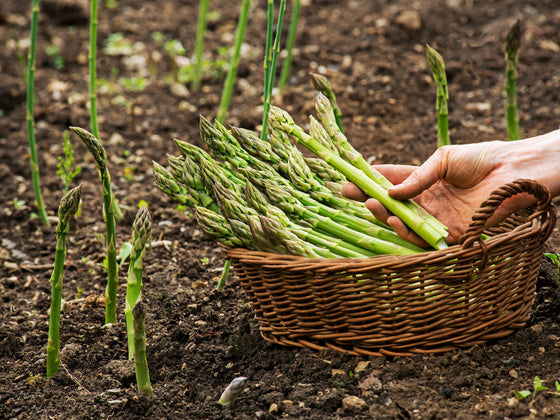
Asparagus
How to grow asparagus from seed in Australia: raising seedlings, planting crowns, a bed of its own, when to start picking spears and cutting back the fern.
| Position | Full sun |
|---|---|
| Depth | Seed 1 to 2 cm |
| Spacing | 30 to 40 cm |
| First pick | Third spring from sowing |
Elephant garlic
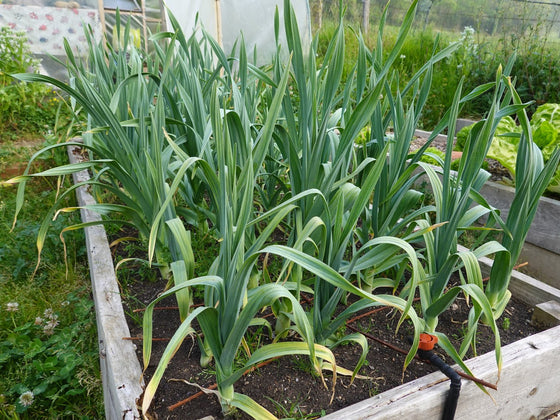
Also sold as Russian garlic. Plant the large cloves in April or May, keep the bed weeded and watered, and use the finger test to judge when the bulbs are ready.
| Position | Full sun, 6 hours or more |
|---|---|
| Depth | 5 cm of soil over tip |
| Spacing | 20 to 30 cm |
| First pick | 6 to 8 months |
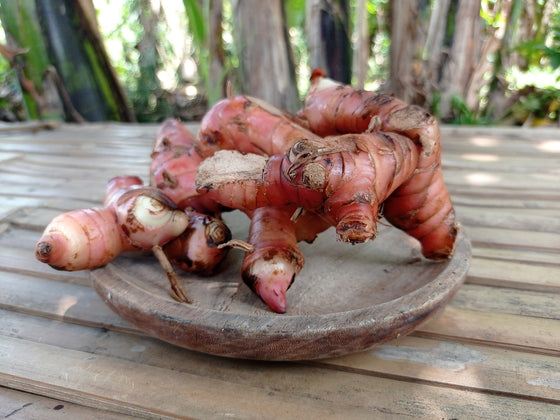
Galangal
Grow Thai red and lesser galangal from rhizomes in Australia: planting months for six zones, pre-sprouting, pots for frosty areas, feeding, pests and harvest.
| Position | Morning sun, afternoon shade |
|---|---|
| Depth | 5 to 7 cm, buds up |
| Spacing | 30 to 45 cm |
| First pick | 17 to 43 weeks |
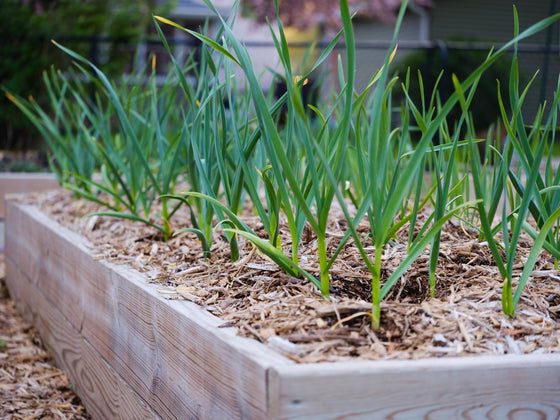
Garlic
When to plant garlic in each Australian climate zone, how deep and how far apart, feeding through winter, and how to tell when the bulbs are ready to lift and cure.
| Position | Full sun, 6 hours or more |
|---|---|
| Depth | Tip 2 to 5 cm deep |
| Spacing | 10 to 15 cm |
| First pick | 22 to 39 weeks |