
How to Grow Tarragon in Australia
Tarragon seed is Russian or Mexican tarragon, because French tarragon sets no viable seed and grows only from cuttings or division. Sow seed 1 to 2 mm deep in warm mix after the last frost; it comes up in 10 to 14 days. Plant out 40 to 50 cm apart in full sun and free-draining soil, water weekly, and pick young tips from about 12 weeks.
| Sun | Full sun; afternoon shade for French in heat |
|---|---|
| Water | Weekly, letting the soil dry between |
| Soil | Lean, free-draining, pH 6.3 to 7.5 |
| Feed | Very little; half-strength seaweed for seedlings |
| Spacing | 40 to 60 cm apart |
| Depth | 1 to 2 mm, barely covered |
| Germination | 10 to 14 days in warm mix |
| Harvest | 11 to 16 weeks from sowing |
| Container | Yes; 30 cm pot, 40 cm for Russian |
| Frost | Russian dies down; frost kills Mexican stems |
| Use | Fish, chicken, eggs, sauces and herb vinegar |
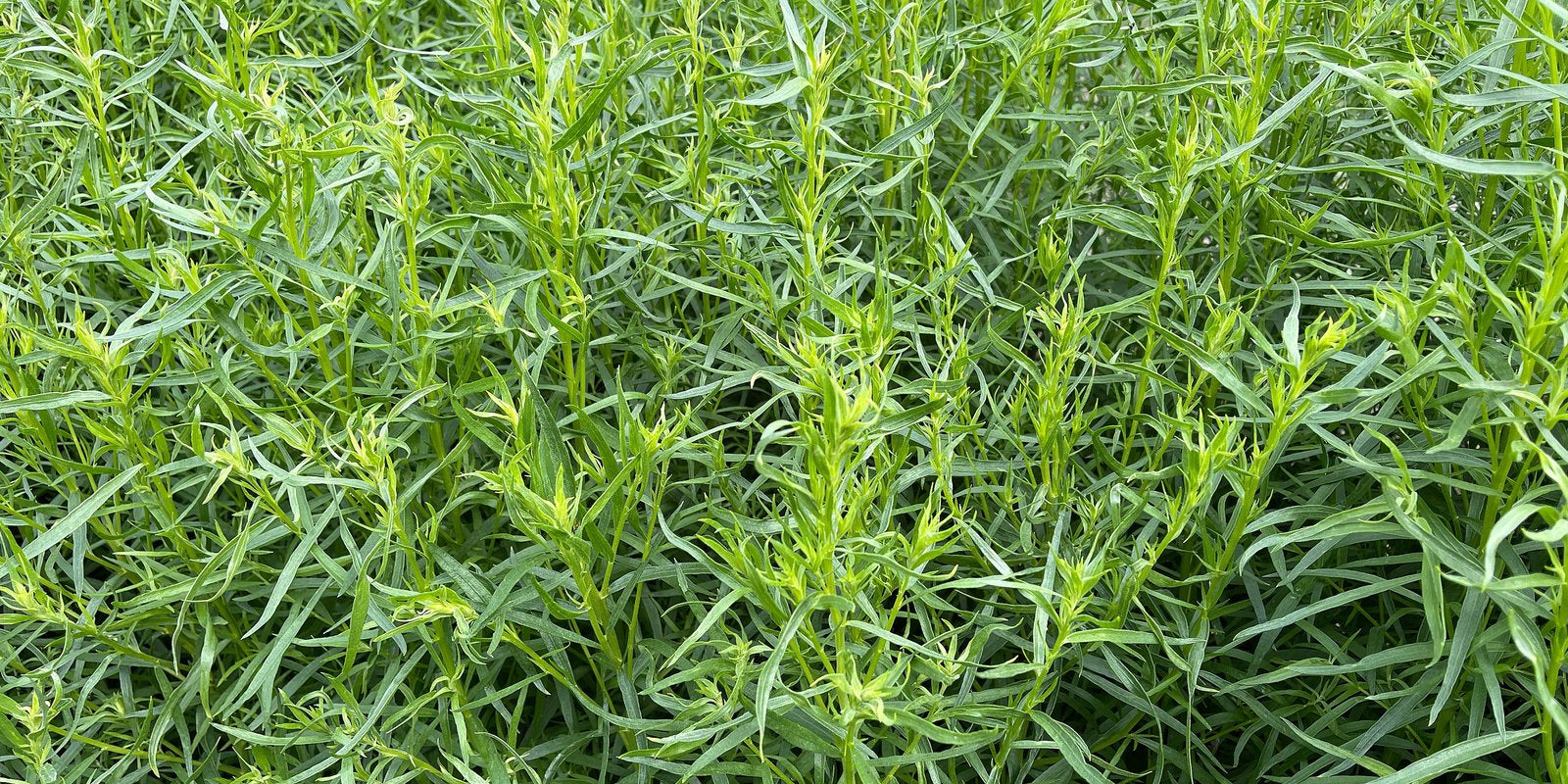
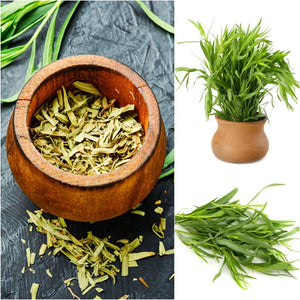
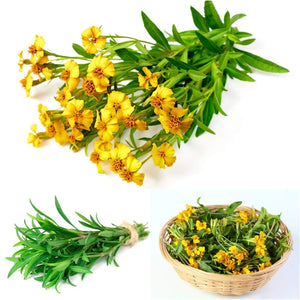
Russian tarragon (Artemisia dracunculus) and Mexican tarragon (Tagetes lucida) are perennial herbs in the daisy family, Asteraceae, grown for their aniseed-scented leaves. Russian tarragon is the hardier of the two, and Mexican tarragon, botanically a marigold, copes with the humid summers of Brisbane and the tropics. The common mistake is expecting French tarragon from a seed packet: French tarragon sets no viable seed and grows only from cuttings or division.
Three mistakes that matter
- Expecting French flavour from seed. Seed sold as tarragon is Russian or Mexican, because French tarragon rarely flowers and sets no viable seed. Sow Russian or Mexican tarragon from seed, and buy a French plant or a cutting for the classic flavour.
- Keeping the roots wet. Tarragon roots rot in soggy soil, and plants can die over a wet winter. Plant in free-draining soil, a raised bed or a pot, water about once a week, and let the soil dry between drinks.
- Choosing the wrong tarragon for the climate. French and Russian tarragon often decline in humid summers, and a hard frost kills Mexican tarragon to the ground. Grow Mexican in the tropics and subtropics, and Russian or a potted French plant where frosts are regular.
When to plant
Sow after the last frost, once the soil holds about 15 to 20°C for Russian tarragon or 20 to 24°C for Mexican. Both are perennials, so one sowing can last for years.
| Zone | Example cities | Plant | Harvest | Notes |
|---|---|---|---|---|
| Tropical | Darwin, Katherine NT; Cairns, Townsville QLD; Broome WA | Apr-Jul | Jul-Nov | Sow in the dry season. Mexican tarragon suits the tropics best; Russian often fades once the humid wet arrives. |
| Subtropical | Brisbane, Gold Coast, Sunshine Coast QLD; Coffs Harbour, Lismore NSW | Aug-Nov | Nov-Jun | Choose Mexican tarragon for humid summers. Grow Russian in a pot or raised bed so wet spells drain away. |
| Arid and semi-arid | Alice Springs NT; Broken Hill, Dubbo NSW; Mildura VIC; Kalgoorlie WA | Jul-Aug | Oct-Apr | Start July sowings under cover and plant out after the last inland frost. Mulch against summer heat. |
| Temperate | Sydney, Newcastle, Wollongong NSW; Melbourne, Geelong VIC | Oct-Dec | Jan-Apr | Sow once the soil warms after the last frost. Mexican tarragon needs warmer soil, so sow it last. |
| Mediterranean | Perth, Bunbury WA; Adelaide and the SA coast | Oct-Dec | Jan-Apr | Dry summers suit tarragon. Water weekly through the first summer, then only in long dry spells. |
| Cool and alpine | Hobart, Launceston TAS; Canberra ACT; Ballarat VIC; Orange NSW | Oct-Dec | Jan-Apr | Start seed under cover and plant out after the last frost. Mulch Russian roots; pot Mexican for winter. |
In frosty gardens, start seed under cover about six weeks before the last frost. Plant out after it, around Melbourne Cup weekend in the coldest areas. French tarragon plants usually reach nurseries in early summer, once their parent plants have woken from winter.
Site, soil and setup
Give tarragon sun, shelter and soil that drains fast. Lean ground gives a stronger flavour than a rich vegie bed.
| Get the bed right | What to do |
|---|---|
| Sun | Full sun, 6 hours or more, for Mexican; full sun or part shade for Russian; morning sun and afternoon shade for French where summers are hot |
| Soil | Light and free draining, not rich; dig a 5 cm layer of compost through the top 15 to 20 cm |
| pH | 6.3 to 7.5; below 6.3, garden lime at 100 to 200 g per square metre, 4 weeks ahead |
| Heavy or wet soil | A raised bed or a pot, so the roots never sit in water |
| Frosty sites | A thick layer of straw mulch over the roots in autumn |
| Rotation | Replant in fresh ground where a tarragon has died of root rot, because the spores survive in soil for years |
Container growing
Pots suit all three tarragons and are the safest home for French tarragon, which can then be moved out of winter rain. French and Mexican tarragon suit a snug pot about 30 cm wide, around 13.5 L. Give the taller Russian 40 cm, about 28 L. Fill it with quality potting mix and add coarse grit, up to a quarter of the volume.
- Water: every two or three days when the mix is drying, more in summer heat, and never leave water standing in the saucer.
- Feed: fish emulsion at half strength every 6 to 8 weeks from spring to autumn.
- Position: sunny, moved under the eaves or against a wall through wet winters.
- Repotting: when new shoots appear in spring, repot into fresh mix and pot up any spare divisions.
Propagating from Cuttings
Start Russian and Mexican tarragon from seed; multiply any tarragon, French included, by cuttings and division.
| Tarragon | Start from | Height | Flavour | Best suited to |
|---|---|---|---|---|
| Russian (Artemisia dracunculus), sold as seed | Seed, cuttings or division | Up to 1.5 m | Mild and grassy, fading as plants age | Temperate, Mediterranean, arid and cool gardens; dies down in winter |
| Mexican (Tagetes lucida), sold as seed | Seed, cuttings or division | 60 to 90 cm | Strong aniseed, the closest substitute for French | Every zone; stays leafy where winters are frost free |
| French (Artemisia dracunculus 'Sativa'), bought as a plant | Cuttings or division only | 50 to 75 cm | The classic sweet aniseed | Temperate, Mediterranean, arid and cool gardens, best in a pot; struggles in humidity, so treat it as an annual in humid zones |
Preparing cuttings
Take softwood cuttings, the soft tips of new growth, in spring and early summer. Cut 15 cm shoot tips just below a node, strip the lower leaves and dip each base in rooting hormone. Push them into free-draining mix, cover the pot with a clear bag or cut drink bottle, and keep it out of direct sun. Pot each one up once roots show through the drainage holes. Root cuttings also work: take 5 cm pieces of root, each carrying a new shoot. Taking cuttings shows the method step by step.
Sowing seed
- Sow in trays or punnets of seed raising mix, which suits Russian tarragon best; Mexican tarragon also grows well sown direct.
- Sow Russian seed 1 mm deep and Mexican seed 2 mm deep, barely covered.
- Keep the mix at the temperatures in When to plant, on a seedling heat mat in cool weather.
- Keep the mix moist but never wet, and expect seedlings in 10 to 14 days.
- Prick out (lift and move) each seedling into its own 7.5 cm pot once it has several leaves.

Dividing clumps
Divide Russian and French tarragon every three years or so, in early spring as new shoots appear. Lift the clump, tease or cut it into pieces that each carry roots and shoots, and replant them at once. Mexican tarragon divides the same way.
Planting out
- Harden off (gradually accustom seedlings to sun and wind) over about a week, as hardening off seedlings describes.
- Plant out once seedlings are 5 to 10 cm tall and frost has passed.
- Space or thin Mexican tarragon to 40 cm, Russian to 50 cm and French 45 to 60 cm apart.
- Water in well, then water during dry spells through the first year.
Care by growth stage
Tarragon tastes best when it is kept a little hungry and a little dry. Rich soil and heavy feeding soften the flavour, and overwatering dilutes the essential oils that carry its aniseed taste.
| Stage | Water | Feed | Watch for |
|---|---|---|---|
| Seedlings, weeks 1 to 6 | From below, keeping the mix moist but never wet | Seaweed solution at half strength, 15 mL per 9 L, fortnightly from the first true leaves | Damping off; snails on emerging seedlings |
| Establishing, weeks 7 to 12 | A deep watering once a week | None where compost went in at planting; a handful of worm castings in each planting hole in poor soil | Snails; weeds crowding young plants |
| Leafy growth, spring and summer | Once a week in dry weather, letting the top soil dry between | None in the ground; in pots, fish emulsion at half strength every 6 to 8 weeks | Flower buds to pinch out; yellowing from wet roots |
| Harvest, from about week 12 | The same steady weekly watering right through picking | None | Woody stems and fading flavour |
| Autumn and winter | Little; keep pots fairly dry | None | Russian and French dying down; frost on Mexican |
If a potted plant stalls in tired mix, a light dose of all-purpose controlled release granular (NPK around 14-5-10) in March or April can help.

Pinching and Harvesting
Regular picking keeps tarragon bushy, and pinching out flower buds prolongs the leaf harvest.
- Russian tarragon: pinch out flower stems before they open, which also stops the plant self-seeding.
- French tarragon: pick the shoot tips often; it seldom flowers.
- Mexican tarragon: pinch the tips for a bushier plant, and deadhead the flowers as they wither.
- Every plant: take no more than a third of a stem at a time.
- Mid to late summer: cut tired Russian plants back to renew fresh growth.
- Early spring: cut last year's dead stems of Russian and French tarragon back to the lowest new shoots.

Companion planting
Tarragon belongs among plants that share its sun and lean, dry soil.
Grows well with
- Thyme, rosemary and sage, which want the same sunny, free-draining ground.
- Tomato, with Mexican tarragon along the bed edge, since both want full sun.
- Eggplant and capsicum, warm-season neighbours that share its sunny position.
Keep apart
- Mint, which prefers damp soil and spreads through a bed.
- Leafy crops on daily watering, which keep the soil too wet.
- Chives and other small herbs close to Russian tarragon, which spreads by creeping roots and grows to 1.5 m.
Harvesting Sprigs
Start picking once plants are well established, usually about two months after planting out, when stems carry plenty of young leaves.
- Pick young shoot tips, which carry the best flavour.
- Pick Russian and French tarragon from spring to autumn.
- Pick Mexican tarragon all year in frost-free gardens.
- Strip the leaves from the stems and use them fresh.

Tarragon loses flavour when dried, so freeze the surplus instead. Wet the leaves and pack them loosely in a bag, or freeze them in ice-cube trays with a little water; they keep about six months. Sprigs steeped in vinegar hold the flavour too.
Add the leaves near the end of cooking, to fish, chicken, eggs, mushrooms, bearnaise sauce and herb butter. Use them in kitchen amounts: Mexican tarragon can be harmful eaten in large quantities, and the sap of both can irritate sensitive skin.
Common problems
Little aniseed flavour. Seed-raised Russian tarragon is naturally mild and grows milder as plants age, so pick young tips and see Three mistakes that matter.
French tarragon vanished in winter. It dies down completely and does not reshoot until spring, so wait before digging; Tips shows how to keep track of it.
Mexican tarragon blackened by frost. A hard frost kills the stems to the ground, but the plant usually regrows in spring. Cut out the dead stems once new growth shows.
No seedlings. Seed buried too deep or sown into cold mix often fails to come up, so resow at 1 to 2 mm in warm mix. Read more
Pests and diseases
Tarragon has few pests, and most losses start with wet soil or soft seedlings.
Damping off (Fusarium and other soil fungi). Seedlings collapse at soil level one after another, most often in overwatered mix. Read more
Garden snail (Cornu aspersum) and slugs. They chew emerging seedlings and can strip young Mexican tarragon. Hand-pick them, or trap them under a board and dispose of them. Read more
Root and crown rot (soil-borne fungi and water moulds). Leaves yellow and die back and young roots darken, most often in moist, poorly drained soil. Remove affected plants and replant in fresh, free-draining ground.
Aphids and spider mites. Aphids cluster on soft shoots, and mites speckle leaves in hot, dry weather. A firm jet of water under the leaves knocks both back. Read more
Grey mould (Botrytis cinerea). A fuzzy grey mould rots the leaves, stems and flowers of Mexican tarragon, most often in cool weather with heavy dew. Cut out affected growth and thin crowded stems.
Prevention first
- Sow into fresh seed raising mix in clean trays, and water seedlings in the morning.
- Give plants their full spacing so air moves through them.
- Check seedlings for snails often, and lift boards or pots where they shelter.
Tips
- To test a plant sold as French tarragon, chew a small piece of leaf: true French tarragon leaves a warm, numbing feeling on the tongue.
- Grow Mexican tarragon beside a Russian or French plant, because it stays leafy over mild winters while the other two die down.
- Push a label in beside Russian and French tarragon before they die down, so no one digs up the dormant roots.
- Keep a spare potted division of French tarragon, because it is a short-lived perennial.
Questions
Can you grow French tarragon from seed?
No. French tarragon rarely flowers and sets no viable seed, so seed sold as tarragon is Russian or Mexican tarragon. Grow French tarragon from a nursery plant, a cutting or a division. Nurseries usually have plants from early summer, once the parent plants have woken from winter.
What is the difference between Russian and Mexican tarragon?
Russian tarragon is Artemisia dracunculus, a tall, hardy perennial with a mild, grassy flavour that fades as plants age. Mexican tarragon is Tagetes lucida, a marigold with a strong aniseed flavour close to French tarragon. Mexican suits warm, humid gardens; Russian suits frosty ones.
Does tarragon come back every year?
Yes, all three tarragons are perennials. Russian and French tarragon die down in winter and reshoot in spring. Mexican tarragon stays leafy where winters are frost free, but a hard frost kills it to the ground, and it usually regrows in spring.
Can I grow tarragon in Brisbane or other humid areas?
Grow Mexican tarragon, which handles heat and humidity. French and Russian tarragon often decline in humid summers and are prone to fungal problems there, so treat a French plant as an annual. Plant Mexican in full sun and free-draining soil, and pick it most of the year.
How do you harvest tarragon without killing the plant?
Pick young shoot tips often and take no more than a third of a stem at a time. Regular picking keeps plants bushy. Pinch out flower buds on Russian tarragon to prolong the leaf harvest, and deadhead Mexican tarragon as the flowers wither.
Grow it
More herb guides
All herbs
Agrimony
How to grow agrimony in Australia from seed: chilling the burrs, sowing months for six climate zones, sun and soil, cutting back, harvest, history and safety.
| Position | Full sun, light shade tolerated |
|---|---|
| Depth | 5 mm |
| Spacing | 30 cm apart |
| First pick | Summer; 12 to 18 weeks from spring sowing |

Angelica
How to grow angelica in Australia from seed: fresh or chilled seed sown on the surface, part shade, months for six climate zones, stems, history and safety.
| Position | Part shade, morning sun |
|---|---|
| Depth | Surface; press in, uncovered |
| Spacing | 50 to 90 cm |
| First pick | Stems at about 18 months |

Ashwagandha
Grow ashwagandha from seed in Australia: warm germination, sowing, site, care and root harvest, with its history and safety, for all six climate zones.
| Position | Full sun |
|---|---|
| Depth | 5 mm |
| Spacing | 45 to 60 cm apart |
| First pick | Roots 21 to 26 weeks |

Astragalus
How to grow astragalus (huang qi) in Australia from hard-coated seed: rubbing and soaking, sowing months for six zones, care, pests and lifting the taproot.
| Position | Full sun |
|---|---|
| Depth | 5 mm |
| Spacing | 20 to 45 cm apart |
| First pick | Roots after 2 to 3 years |