
How to Grow Angelica in Australia
Angelica is a tall biennial herb for cool, moist, part-shaded gardens. Sow fresh or fridge-chilled seed on the surface of damp mix, because it needs light. Keep it at 10 to 20°C for 4 weeks to 3 months. Space plants 50 to 90 cm apart, keep the soil moist, and cut young stems in the second spring.
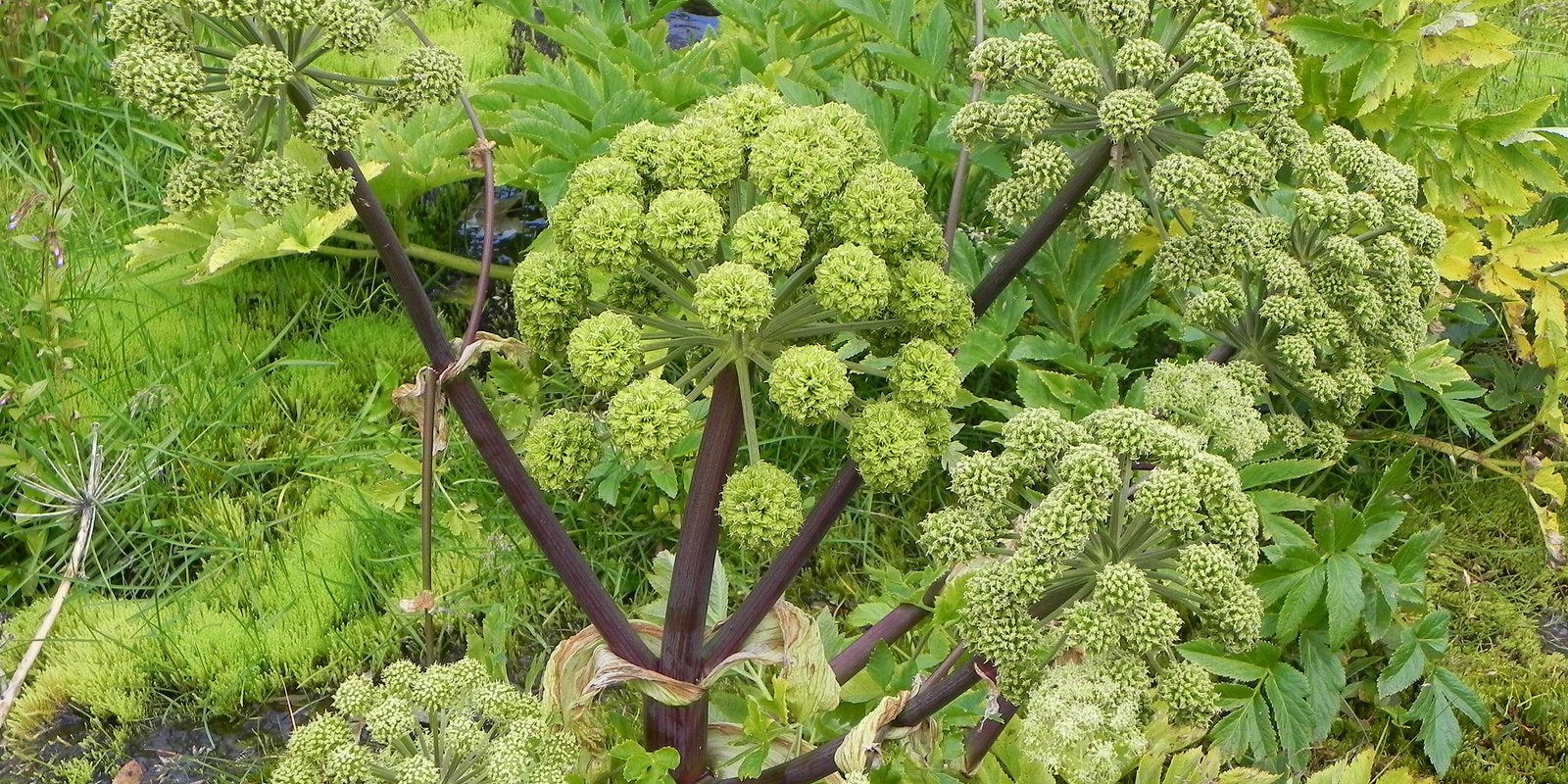
| Sun | Part shade, morning sun |
|---|---|
| Water | Constantly moist; never let it dry out |
| Soil | Deep, rich, moist, well drained; slightly acid to neutral |
| Feed | Minimal; compost mulch, half-strength feeds only |
| Spacing | 50 to 90 cm |
| Depth | Surface; press in, uncovered |
| Germination | 4 to 12 weeks, surface sown, fresh or chilled |
| Harvest | Stems at about 18 months |
| Container | Not suited to pots |
| Frost | Hardy; dies back in winter, regrows in spring |
| Support | Stake flower stems on windy sites |
| Use | Candied stems, herb garden height, pollinators |
Angelica (Angelica archangelica) is grown for its aromatic stems, bold foliage and great green flower heads, which give a herb garden real height. It is a tall biennial or short-lived perennial of the carrot family, Apiaceae. It suits the cool, moist, part-shaded corners of Australian gardens, from Hobart to the Blue Mountains. Many failures happen before a single leaf shows: the seed stores poorly, and it needs light to germinate.
Three mistakes that matter
- Sowing old seed that was stored warm. Seed kept at room temperature loses vigour and often turns dormant, so an old packet from the shelf may give nothing at all. Sow fresh seed, keep spare seed sealed in the fridge, and chill older seed as Germinating the seed describes.
- Burying the seed. The seed needs light to germinate, and a normal covering of soil or mix keeps it dark. Press it onto the surface of damp seed-raising mix, or cover it with no more than a dusting about 1 mm deep.
- Planting it in a hot, dry, sunny spot. Angelica comes from cool northern climates and wants soil that never dries out. In hot sun and dry soil, plants wilt and struggle. Choose part shade with morning sun, and mulch the root zone well.
When to plant
Cool weather governs sowing, because angelica seed germinates best at about 10 to 20°C. Sow in autumn or from late winter into spring, never into summer heat. Fresh seed sown around Anzac Day gets a natural winter chill outdoors in the cooler zones. Sow once, then again every year or two, because each plant dies after it sets seed.
| Zone | Example cities | Sow | Harvest | Notes |
|---|---|---|---|---|
| Tropical | Darwin NT; Cairns, Townsville QLD; Broome WA | Not recommended | Not recommended | Year-round heat and wet-season humidity stress this cool-climate biennial; a May to June sowing is a gamble. |
| Subtropical | Brisbane, Sunshine Coast, Bundaberg QLD; Coffs Harbour, Lismore NSW | Jul-Sep | Aug-Oct | Sow chilled seed in the cool months. Grow in part shade and keep moist through humid summers. |
| Arid and semi-arid | Alice Springs NT; Broken Hill, Dubbo NSW; Mildura VIC; Kalgoorlie WA | Jul-Sep | Aug-Oct | Marginal. Sow in late winter, shade from afternoon sun and mulch deeply against dry summer heat. |
| Temperate | Sydney, Newcastle, Wollongong NSW; Melbourne, Geelong VIC | Mar-May and Sep-Nov | Sep-Nov | Spring suits chilled seed; the autumn window is for fresh seed, sown around Anzac Day. Give Sydney plants afternoon shade. |
| Mediterranean | Perth, Bunbury WA; Adelaide and the SA coast | Mar-May and Sep-Oct | Aug-Oct | Sow fresh seed with the autumn rains, chilled seed in spring; shade and water it through summer. |
| Cool and alpine | Hobart, Launceston TAS; Canberra ACT; Ballarat VIC; Orange NSW | Mar-Apr and Oct-Nov | Oct-Dec | Autumn suits fresh seed, chilled by winter outdoors; spring suits fridge-chilled seed. Young plants die back in frost. |
If you miss the autumn window, chill the seed in the fridge and sow in late winter or spring instead.
Site, soil and setup
Wild angelica grows along mountain streams, damp meadows and willow thickets in northern Europe. In the garden, give it cool roots, steady moisture and room: a flowering plant reaches about 2 m tall and spreads to about 1 m.
| Get the bed right | What to do |
|---|---|
| Light | Part shade or dappled shade, ideally with morning sun and shelter from hot afternoon sun; full sun only in cool, moist districts |
| Shelter | Out of strong wind, where the tall second-year stems will not snap |
| Soil | Deep, rich and moist but well drained; dig in a 5 cm layer of compost, or 5 to 10 cm of well-rotted cow or horse manure 4 to 6 weeks before planting |
| pH | Slightly acid to neutral suits it, so most garden soils need no lime; only if a soil test shows strongly acid soil, garden lime at 100 to 200 g per square metre 4 weeks ahead |
| Water | A soaker hose or drip line, or a spot beside a pond, tank overflow or low, damp corner |
| Rotation | Away from beds where carrot-family crops had powdery mildew or heavy aphid numbers |

Germinating the seed
Angelica seed must be fresh or kept cold, because it stores poorly at room temperature. It needs light, so it is sown on the surface. And dried seed often goes dormant (a resting state that stops germination), which a spell of cold, moist conditions breaks.
Expect slow, patchy results even when everything is right. Cold stratification is a moist chill that copies winter. In one trial, seed given 3 to 4 weeks of it reached about 40 per cent germination, the best result recorded there. Seedlings take anywhere from 4 weeks to 3 months to appear. Sow at least three seeds for every plant you want.
| Treatment | How | How long | Temperature | What success looks like |
|---|---|---|---|---|
| None needed: fresh seed | Sow ripe seed straight onto the surface of damp seed-raising mix and press it in; do not cover | Seedlings in 4 weeks to 3 months | Cool, about 10 to 20°C | Seedlings with their first leaves in the tray |
| Cold moist stratification | Mix seed with damp sand, vermiculite or seed-raising mix in a sealed, labelled bag or tub in the fridge, then surface sow | 3 to 6 weeks for recent seed; up to 3 months for older seed | About 4 to 5°C, never frozen | Seed plump and damp; sow at once if white root tips appear |
| Sown tray chilled in the fridge | Surface sow in a tray, water, drain, cover with clear plastic and stand it in the fridge | Up to 3 months, or less if seedlings start | Above freezing | Tiny seedlings under the plastic; move the tray to a cool, bright spot |
| Outdoor cold and warm swings | Stand a surface-sown tray outdoors in a sheltered spot, then bring it into a cool, bright place | About 3 weeks outdoors, then indoors to germinate | Cold nights and milder days | Seedlings appearing in the weeks after the tray comes in |
When nothing comes up
Give a tray at least 3 months before you give up on it.
- Seed buried too deep: resow on the surface and press in, with no covering or only a dusting.
- Old or warm-stored seed: stratify it for up to 3 months, or start again with fresh seed.
- Too warm: move the tray somewhere cool; a sunny windowsill or a heat mat is too hot for this seed.
- Mix dried out, or the bag went mouldy: keep trays damp under clear plastic, and chill seed in clean, barely damp sand.
- Too little cold: return the sown tray to the fridge for several more weeks, then bring it out again.
Sowing Seeds
Start angelica seed fresh or chilled, in a tray or where it is to grow, following Germinating the seed.
Starting under cover
- Fill a tray or small cells with damp seed-raising mix, with some coarse sand added for drainage.
- Sow thinly on the surface and press the seed in without covering it.
- Keep the tray cool and bright, out of direct sun, and never let the mix dry out.
- Once true leaves appear, move each seedling into a deep pot, because it quickly forms a taproot.
Sowing direct
Angelica resents root disturbance, so sowing where it will grow is often the most reliable way. Sow fresh seed in autumn so winter supplies the chill.
- Rake the prepared bed fine and water it well.
- Scatter seed on the surface in small groups and press it in.
- Keep the surface damp with a fine spray until seedlings appear.
- Thin each group to the strongest seedling, leaving plants 50 to 90 cm apart.
Transplanting and hardening off
Plant out while seedlings are still small, around 8 to 10 cm tall. Harden them off first (a week or two of gradually longer spells outdoors, so they toughen up). Set each one at the same depth it grew in its pot, 50 to 90 cm apart, and water it in well.
Care by growth stage
Steady moisture decides how well angelica grows; it needs little feeding. Soft, sappy growth from too much nitrogen draws aphids, so keep every feed at half strength or less.
| Stage | Water | Feed | Watch for |
|---|---|---|---|
| Seedlings, until planting out | Keep the mix evenly damp, never soggy | None until true leaves; then seaweed solution at half strength, 15 mL per 9 L, fortnightly | Slugs and snails; seedlings drying out |
| First-year leaf growth | Water deeply in dry spells so the soil never dries out; mulch 6 to 10 cm deep | Worm casting liquid diluted to weak tea colour, fortnightly for the first month after planting out | Wilting in hot, dry weather; aphids on new growth |
| First winter | Keep just moist; less in wet spells | None | Leaves dying back in frost, which is normal; in frost-prone areas, mulch around the crown but keep it off the crown itself |
| Second spring, stems rising | Steady and deep, especially in dry spells | A 5 cm layer of compost as mulch in early spring; on poor soil, pelletised chicken manure at 50 g per square metre once | Aphids on shoot tips; stems leaning in wind |
| Flowering and seed, second summer | Keep watering steadily right through harvest | None | Powdery mildew in dry weather; aphids on flower heads |
If growth stalls in poor soil, a light application of all-purpose controlled release granular (NPK around 14-5-10) scratched into the soil can help. Stake second-year plants on windy sites. Drive a sturdy stake beside the crown before the flower stem rises, and tie the stem loosely with soft ties as it grows.

Deadheading
A plant usually dies once its seed ripens. Removing the flower stems before the buds open can keep it alive for another year or two. The cost is the flowers, and the seed for the next sowing.
- Cut rising flower stems at the base, before the buds open, to prolong a plant you want to keep for stems.
- Leave one or two plants to flower, for pollinators and for fresh seed.
- To save seed, tie a paper bag over a ripening head and cut it once the seed is dry.
- Remove other seed heads before they ripen, or seedlings will come up across the bed.
- Cut spent plants back to the base once seeding is done.
Companion planting
Angelica does best among plants that also like damp, part-shaded ground, and away from its carrot-family relatives.
Grows well with
- Lemon balm, which shares the same moist, part-shaded conditions.
- Mint, which likes damp shade too; keep it in a sunken pot so it cannot spread through the bed.
Keep apart
- Carrot, parsnip and parsley, which share aphids and the carrot-family powdery mildew.
- Sun-loving herbs such as thyme and lavender, which a 2 m angelica would shade.
Harvesting Stems
Cut stems in spring of the second year, while they are young and tender and before the flower stalk forms.
- Pick a few young leaves in the first year, taking care not to damage the central stem.
- Choose young, tender stems and leaf stalks, often flushed pink.
- Cut with secateurs just above the crown, taking a few stalks from each plant.
- Cover up as Safety describes, and cut in the cool of the morning or in shade.
- Collect ripe seed in a paper bag in late summer to autumn, for sowing.
The sap in every part carries furanocoumarins, which can burn skin in sunlight, so see Safety before cutting. Store saved seed sealed in the fridge. For candied angelica, cut young stems into lengths of about 4 cm, blanch them in sugar syrup, dry them and store them in airtight jars.
Candied stems decorate cakes and trifles, and fresh stems can go in with stewed rhubarb or into jam.
Traditional use and history
Garden angelica is native to northern Europe and western Siberia, including Norway, Iceland, Greenland, the Faroe Islands and Finland. Its names suggest it has been used in the Nordic countries since at least the Viking age. Icelandic and Norwegian laws of the twelfth century set penalties for stealing it, and enclosed angelica gardens became a mark of a proud Faroese household.
The Sámi of northern Scandinavia ate the peeled stems as a summer treat. They harvested wild stands selectively so they would not be depleted, and spread the plant to new areas. In the Faroe Islands the stems were served as a dessert with cream or thick sour milk. Around Voss in western Norway, gardeners selected a form with nearly solid, sweeter stalks, the Vossakvann.
| Language or people | Name | What the name records |
|---|---|---|
| Old Norse | hvǫnn | The root of the names in every North Germanic language |
| Norwegian | kvann | Found in hundreds of place names along the west coast |
| Icelandic | ætihvönn | Literally edible angelica |
| Faroese | heimahvonn | The cultivated plant, grown in a hvanngarður or angelica garden |
| North Sámi | fádnu, boska | The young plant, and the flowering plant |
| Greenlandic Inuit | kuannit | A loan word that came with the plant from Norse settlers |
| Finnish | väinönputki | The Finnish common name |
Nordic folk tradition also laid the fragrant stems in doorways, in the belief that the smell kept sickness out. The plant was unknown to the Greeks and Romans. It probably reached southern Europe with monks returning from Scandinavia, and the old legend of an angel revealing the plant gave it the name archangelica. In England, the herbalist John Gerard wrote of the root as a defence against plague.
English cooks candied the stems for trifles and cakes, and growers near London still raised it for candying in the nineteenth century. Niort in France is known for candied angelica, and the seed and root flavour liqueurs such as Bénédictine and Chartreuse, and gin. Norwegian seed savers have been reviving the Voss angelica, which came close to disappearing in the twentieth century.
Safety
Happy Valley Seeds sells angelica as seed for growing. Nothing here is advice to eat or take any part of the plant. Anyone thinking of using a plant should first seek advice from a qualified health practitioner.
| Topic | What the sources say |
|---|---|
| Toxicity | Leaves, stems, roots and sap contain furanocoumarins (also called furocoumarins). NC State Extension rates the poison severity as low, with sunburn-like skin reactions. The European Medicines Agency notes that some of these compounds can damage skin cells when combined with ultraviolet light. Poisoning has been reported from large amounts of angelica oils. LiverTox, the United States liver injury database, holds no record for angelica. |
| Pregnancy and breastfeeding | A clinical drug reference advises avoiding use in pregnancy and breastfeeding. No study records whether its compounds pass into breast milk. The store's own listing says it is not suitable for anyone pregnant or breastfeeding. |
| Medicines | No case reports of interactions with warfarin or other blood thinners are recorded. The related Chinese angelica does affect blood clotting. Furanocoumarins can also alter the enzymes that break down many medicines. Anyone on regular medicines should ask a pharmacist or doctor first. |
| Skin and allergy | The sap can cause contact dermatitis and, with sunlight, burns and redness that may leave dark marks. Faroese even had a word, hvannsár, for sore lips from angelica sap and sun. Allergic skin reactions have also been reported. |
| Pets and livestock | The sources are silent on garden angelica and animals. The ASPCA toxic plant list names only the unrelated angelica tree (Aralia spinosa). |
| Legal status | Garden angelica is not named on the weed lists of New South Wales, Victoria, Queensland, South Australia, Tasmania or the Northern Territory, and Weeds Australia has no profile for it. In Western Australia and the ACT, and wherever rules may have changed, check with your biosecurity authority before planting. |
| Look-alikes | Hemlock (Conium maculatum) is highly toxic and can kill. It has hollow stems with reddish-brown or purple spots and leaves with a sharp, unpleasant smell. Weeds Australia lists it as declared in New South Wales, Victoria and Western Australia. Victoria's own noxious weeds list names it, and in New South Wales it comes under the general biosecurity duty that applies to every pest plant. The ornamental Angelica pachycarpa, with glossy leaves, is a different plant and is not edible. |
Common problems
Plant died after flowering. Angelica dies once its seed ripens, so this is its natural end. Save seed or keep a self-sown seedling, and see Deadheading to prolong the next one.
Seedlings stall after planting out. A disturbed taproot sets angelica back, so plant out small and water in well, or sow direct. Read more
Leaves scorched or limp in summer. Hot sun and dry soil stress a plant from cool climates; mulch deeply, water at the base and give afternoon shade.
Seedlings everywhere. Ripe seed heads left on the plant sow themselves across the bed; cut heads before they ripen, or lift spare seedlings while small.
Red, burnt-looking skin after gardening. Sap on skin in sunlight causes this reaction, so cover up while working with the plant, and follow Safety if it happens. Read more
Pests and diseases
Angelica has few serious troubles; those below are recorded on it overseas and are common in Australian gardens.
Aphids (Aphidoidea). Colonies cluster on shoot tips and flower heads and leave sticky honeydew. A firm jet of water or insecticidal soap knocks them back; spare the ladybirds and lacewings that arrive to feed on them. Read more
Common garden snail (Cornu aspersum) and grey field slug (Deroceras reticulatum). Both graze seedlings and young leaves at night, leaving slime trails. Hand-pick after dark and clear the boards and debris they hide under. Read more
Two-spotted mite (Tetranychus urticae). Fine pale speckling and webbing under the leaves appear in hot, dry weather. Water well and hose the leaf undersides. On heavy outbreaks use horticultural oil in a cool spell, because it can burn leaves in hot weather. Read more
Powdery mildew (Erysiphe heraclei). This carrot-family mildew shows as white, powdery patches that spread over the leaves, most often in dry spells. Keep plants well watered and airy, and spray 1 part full-cream milk to 10 parts water early. Read more
Prevention first
- Water and feed as Care by growth stage describes, because dry, stressed plants draw mites and mildew.
- Keep the spacing Sowing Seeds gives, so air moves between the leaves.
- Keep weeds such as sowthistle down, since aphid numbers build on them first.
- Before any spray, read its label and use it only as directed.
Tips
- Keep a few seeds from your own plants and sow them within weeks of ripening, when they are at their freshest.
- Let one self-sown seedling grow on in a good spot each year, so a new plant is usually coming on as an old one flowers.
- In Perth and Adelaide, plant on the east side of a building or tree, where angelica gets morning sun and shade through the hot afternoon.
Questions
Why are my angelica seeds not germinating?
The usual causes are old or warm-stored seed, seed buried too deep, or a tray kept too warm. Mix older seed with damp sand and chill it in the fridge at about 4°C for up to 3 months. Press it onto the surface of damp mix, keep it at 10 to 20°C, and wait up to 3 months.
How long does angelica take to grow from seed?
Seedlings appear in 4 weeks to 3 months. The plant makes only leaves in its first year, then sends up a flower stem in its second year, sometimes its third. Young stems are ready to cut at about 18 months from sowing.
Does angelica die after flowering?
Usually, yes. Angelica is a biennial or short-lived perennial that dies once its seed ripens. Cutting the flower stems before the buds open can keep a plant going for another year or two. The cost is its flowers and seed.
Can I grow angelica in Brisbane or other warm areas?
It is possible in subtropical gardens with care. Sow chilled seed in the cool months, grow it in part shade and keep the soil moist through summer. In the tropics, heat and wet-season humidity make it a poor prospect.
Is angelica safe to grow around pets?
The sources are silent on garden angelica and pets. The ASPCA toxic plant list names only the unrelated angelica tree, Aralia spinosa. The sap can burn skin in sunlight, and hemlock, a deadly look-alike, can grow as a weed nearby.
Is angelica a declared weed in Australia?
Garden angelica is not named on the weed lists of New South Wales, Victoria, Queensland, South Australia, Tasmania or the Northern Territory. In Western Australia and the ACT, check with your biosecurity authority. Weeds Australia lists its toxic look-alike, hemlock, as declared in New South Wales, Victoria and Western Australia.
Grow it
More herbs to sow in September
All herbs
Agrimony
How to grow agrimony in Australia from seed: chilling the burrs, sowing months for six climate zones, sun and soil, cutting back, harvest, history and safety.
| Position | Full sun, light shade tolerated |
|---|---|
| Depth | 5 mm |
| Spacing | 30 cm apart |
| First pick | Summer; 12 to 18 weeks from spring sowing |
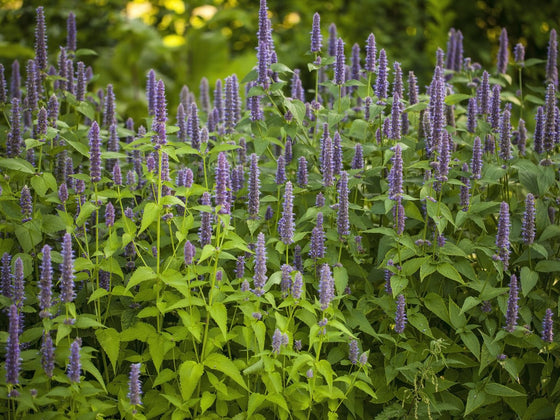
Anise Hyssop
How to grow anise hyssop in Australia from seed: surface sowing, free-draining soil, sowing months for six zones, cutting back, and picking leaves and flowers.
| Position | Full sun or light shade |
|---|---|
| Depth | Surface, or 1 mm |
| Spacing | 30 to 40 cm apart |
| First pick | Leaves from about 10 weeks |
Anise
How to grow anise in Australia: when to sow in all six climate zones, sowing where it grows, spacing and watering, then harvesting and drying seed and leaves.
| Position | Full sun, sheltered from wind |
|---|---|
| Depth | 6 to 10 mm |
| Spacing | 25 to 30 cm apart |
| First pick | Seed 17 to 20 weeks from sowing |

Ashwagandha
Grow ashwagandha from seed in Australia: warm germination, sowing, site, care and root harvest, with its history and safety, for all six climate zones.
| Position | Full sun |
|---|---|
| Depth | 5 mm |
| Spacing | 45 to 60 cm apart |
| First pick | Roots 21 to 26 weeks |