
How to Grow Clary Sage in Australia
Press clary sage seed onto moist seed-raising mix and barely cover it, because it needs light to germinate. With the soil at about 19 to 21°C, seedlings appear in 1 to 3 weeks. Plant out 60 to 90 cm apart in full sun and light, free-draining soil. Pick leaves from about 11 weeks; the tall flower spikes follow in the second year.
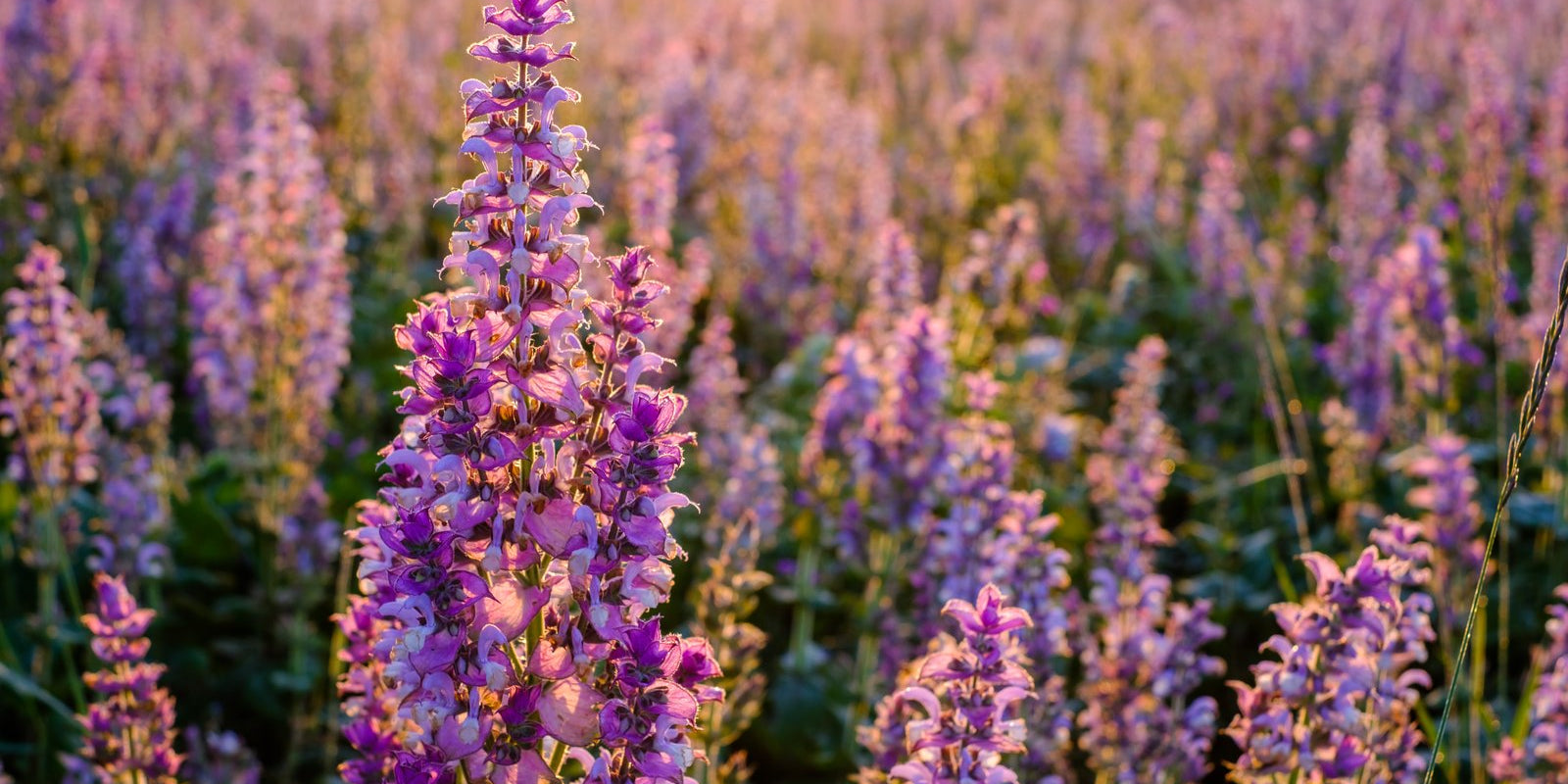
| Sun | Full sun |
|---|---|
| Water | Low once established; never waterlogged |
| Soil | Light, free-draining, about pH 6 to 8 |
| Feed | Minimal; half-strength feeds at most |
| Spacing | 60 to 90 cm apart |
| Depth | Barely cover; needs light |
| Germination | 1 to 3 weeks at 19 to 21°C |
| Harvest | Leaves, 11 to 16 weeks |
| Container | Yes; 40 cm pot, about 28 L |
| Frost | Frost hardy once established |
| Use | Aromatic leaves; flower spikes for bees and vases |
Clary sage (Salvia sclarea) is a biennial herb of the mint family, Lamiaceae, grown for its large, hairy, aromatic leaves and its tall flower spikes. In its second year the spikes open in pink, lilac and white bracts that bees crowd around. It is far bigger than common sage, which has its own Sage guide. The usual mistake is burying the seed, which needs light to germinate.
Three mistakes that matter
- Burying the seed. Seed sown deep under soil often fails to come up, because it needs light to germinate. Press it firmly onto moist mix and barely cover it, as Sowing Seeds describes, then keep the surface damp until seedlings show.
- Growing it rich and wet. Rich, heavily fed soil gives tall, floppy plants with few flowers, and soil that stays wet through winter can rot the crown. Grow it lean, in full sun and free-draining soil, and feed with a light hand.
- Giving up on it in the first year. A first-year plant is only a low rosette of leaves, and the flower spikes come in its second year. Pick leaves meanwhile, and leave the plant in place through winter so it can flower.
When to plant
Clary sage germinates best with the soil at about 19 to 21°C, so most zones sow in spring as the soil warms.
| Zone | Example cities | Sow | Harvest | Notes |
|---|---|---|---|---|
| Tropical | Darwin NT; Cairns, Townsville QLD; Broome WA | May-Jul | Aug-Dec | Sow early in the dry season. Wet-season rain and soggy soil can rot plants, so a large pot helps. |
| Subtropical | Brisbane, Gold Coast, Bundaberg QLD; Coffs Harbour, Lismore NSW | Aug-Oct | Leaves Nov-Apr; flowers the next spring | Sow as spring soil warms. Choose the sunniest, best-drained spot, because humid summers favour mildew. |
| Arid and semi-arid | Alice Springs NT; Broken Hill, Dubbo NSW; Mildura VIC; Kalgoorlie WA | Jun-Jul | Leaves Oct-Mar; flowers the next spring | Start seed in trays under cover while nights are cold, and plant out after frost. Established plants handle dry heat. |
| Temperate | Sydney, Newcastle, Wollongong NSW; Melbourne, Geelong VIC | Sep-Nov | Leaves Dec-Apr; flowers the next summer | Sow once the soil nears 19°C, from about October in Melbourne. |
| Mediterranean | Perth, Bunbury WA; Adelaide and the SA coast | Sep-Nov | Leaves Dec-Apr; flowers the next summer | Water spring sowings steadily through their first dry summer. Plant where winter rain drains away fast. |
| Cool and alpine | Hobart, Launceston TAS; Canberra ACT; Ballarat VIC; Orange NSW | Oct-Dec | Leaves Jan-Apr; flowers the next summer | Start seed under cover in October or sow direct once soil warms. Frost hardy once established. |
In Canberra, Ballarat and the tablelands, start seed in a tray under cover and plant out once frosts ease, around Melbourne Cup weekend. For an early start anywhere, a seedling heat mat warms the tray from below.
Site, soil and setup
Clary sage comes from the northern Mediterranean, and it does best on light, sandy or gravelly soil in full sun.
| Get the bed right | What to do |
|---|---|
| Light | Full sun, 6 hours or more a day; shade gives weak, stretched growth and fewer flowers |
| Soil | Light, sandy, gravelly or loamy soil of average fertility; skip manure |
| pH | Slightly acid to alkaline, about pH 6 to 8; if a test reads below 6, dig in garden lime at 100 to 200 g per square metre 4 weeks ahead |
| Drainage | Water must never pool, least of all in winter; on clay, plant on a mound or in a raised bed |
| Very poor sand | Dig in a 5 cm layer of compost once, before planting, and nothing after |
| Room | 60 to 90 cm between plants, for flowering stems up to 1.5 m tall |
A plant holds its spot for two years, so keep it out of the vegetable rotation, at the back of a herb or flower bed. On heavy clay, read waterlogged soil before planting.
Container growing
A large pot suits clary sage where garden soil is heavy or stays wet. Choose a pot 40 cm or more across the rim; a standard 400 mm pot holds about 28 L of mix. Fill it with premium potting mix and add a few handfuls of coarse sand or grit. The store sells one clary sage, with no compact form.
- Water: when the top few centimetres of mix feel dry, then soak until water runs from the drainage holes.
- Feed: fish and seaweed blend at half strength, about 12.5 mL per 9 L, fortnightly from spring to late summer.
- Position: full sun, sheltered from strong wind, which can topple the flower stems of a top-heavy pot.
Sowing Seeds
Start the seed in a tray, where young seedlings can be guarded from snails, or sow direct once the soil is warm. The store's Clary Sage seeds are Salvia sclarea.
Starting in a tray
- Fill a tray or cell punnet with moist seed-raising mix and sow the seed thinly.
- Press the seed firmly onto the surface and barely cover it, so light still reaches it.
- Keep the mix damp and the tray in bright light out of direct sun, at the soil temperature When to plant gives.
- Seedlings usually emerge in 1 to 3 weeks.
- Move seedlings into their own pots once they can be handled.
Sowing direct
- Rake a sunny, weed-free spot to a fine surface.
- Sow thinly, press the seed in and barely cover it.
- Keep the surface damp with a fine spray until seedlings appear.
- Thin seedlings in stages to 60 to 90 cm apart.
Planting out
Plant tray-raised seedlings out when they are 5 to 10 cm tall. Harden them off first (set them outside a little longer each day, for a week or two, so they adjust to sun and wind). Water them in with seaweed solution at half strength, 15 mL per 9 L.
Care by growth stage
Once established, clary sage tolerates drought far better than wet soil or heavy feeding. Over-feeding reduces the essential oils that give clary sage its flavour and aroma.
| Stage | Water | Feed | Watch for |
|---|---|---|---|
| Germination, weeks 0 to 3 | Mist or water from below; keep the surface damp, never soggy | None until the first true leaves | Seedlings collapsing at soil level |
| Seedlings, first true leaves to planting out, about weeks 3 to 8 | Water when the mix surface starts to dry | Seaweed solution at half strength, 15 mL per 9 L, fortnightly | Slugs and snails; stretching in low light |
| First-year rosette, planting out to about week 16 | Water regularly while it settles, then a deep soak only when the top few centimetres are dry | None in a bed; in pots, the half-strength blend Container growing gives | Aphids on soft new leaves |
| Winter rosette | Only in long dry spells | None | Crown rot where the soil stays wet |
| Second-year flowering, late spring into autumn | Keep watering steady through picking: a deep soak when the top few centimetres are dry | None in a bed; in pots, the half-strength blend Container growing gives | Powdery mildew in humid, crowded beds; aphids on the spikes |
If growth stalls in very poor soil, scratch in all-purpose controlled release granular (NPK around 14-5-10) once in spring, at half the label rate. Established plants are frost hardy.
Cutting Back
Cutting back keeps the plant tidy and decides whether it self-seeds. As a biennial, clary sage usually dies once it has flowered and set seed.
- In the first year, pick the outer leaves and leave the centre of the rosette to grow.
- Remove yellowing or damaged lower leaves so air moves around the crown.
- As the flowers fade, cut the stalks back to near the ground for a second flush of growth and flowers.
- Cut spent spikes before the seed drops wherever self-sown seedlings are not wanted.
- For seed, let one spike dry on the plant, cut it once the seed cases turn brown, and finish drying it in a paper bag.
- Store the seed only once it is fully dry, in a labelled jar in a cool, dark place.
Companion planting
Clary sage suits a sunny, dry herb or cottage bed, where its flowers bring bees to the plants around it.
Grows well with
- Thyme and Oregano, low herbs that want the same sun and sharp drainage.
- Rosemary and Lavender, which share its liking for dry, lean soil.
- Yarrow and Calendula, which also draw beneficial insects to the bed.
Keep apart
- Mint, which needs moist soil and can overrun a bed.
- Thirsty, heavily fed vegetables, whose watering and feeding keep its roots too wet and its growth soft.
Harvesting Leaves and Flowers
Pick leaves once the rosette is well formed, about 11 to 16 weeks after sowing. Cut flower stems in the second year once the spike is well formed and the bracts have coloured, before it starts to fade.
- Cut single leaves with scissors rather than tearing them.
- Pick sparingly, a few leaves from each plant at a time.
- Harvest in the morning, once any dew has dried.
- Keep watering steady through picking, as for the last care stage.
To dry leaves or flower stems, hang small bunches in a shaded, airy place; in good weather they dry in about 10 days. Leaves are ready when they are brittle but do not shatter. Store them in airtight glass jars in a dark cupboard, where they keep for about 12 months, and dry them longer if condensation forms inside.
Historically, cooks used the leaves in omelettes and fritters, the plant flavoured wine and beer, and the flowers went into salads and garnishes.
Common problems
No seedlings after three weeks. Seed buried too deeply, sown into cold soil or allowed to dry out often fails; see Three mistakes that matter. Read more
Tall, floppy seedlings. Seedlings stretch towards the light when a tray sits in shade, so move them into bright light as soon as they emerge. Read more
Plant collapses at the base. Wet soil rots the crown, as Three mistakes that matter warns. Replant on a mound or in a gritty pot, and keep mulch clear of the stem.
Plant dies after flowering. A plant that dies after setting seed in its second summer has finished its biennial life cycle, so let a spike self-seed or sow again. Read more
Pests and diseases
Clary sage has few serious problems, and most damage falls on young seedlings.
Slugs and snails, including garden snail (Cornu aspersum). They feed at night and after rain and can chew young seedlings to the ground. Search with a torch about two hours after sunset, or guard seedlings with an iron-based snail bait or a copper band around pots. Read more
Damping off (Pythium species and Rhizoctonia solani). Seedlings rot at soil level and topple over, most often in wet, crowded trays. Sow thinly into fresh mix and avoid overwatering. Read more
Aphids (Aphididae). Small green or yellow sap-suckers crowd onto soft new leaves and flower spikes and leave them sticky. Squash small groups or knock them off with a strong jet of water. Read more
Powdery mildew (Erysiphales). White, powdery patches spread over the leaves in humid weather, most often in crowded or shaded beds. At the first patches, spray 1 part full-cream milk to 10 parts water in the early morning, and repeat after rain. Read more
Prevention first
- Sow in fresh seed-raising mix, in clean trays.
- Set citrus rind halves near seedlings and collect the snails sheltering under them.
- Give plants their full spacing so air moves freely between them.
- Water the soil at the base of the plant, not the leaves.
Tips
- Plant it beside a path, where brushing past the leaves releases their strong, musky scent.
- Sow a few seeds in each of two years running, so one plant is usually in leaf while another flowers.
- Clary sage is not a declared weed in any Australian state or in the Northern Territory. It does self-seed, so check your council's weed list before letting it spread near bushland.
Questions
Is clary sage the same as common sage?
No. Both belong to the genus Salvia, but clary sage is Salvia sclarea, a biennial. It has large, hairy leaves up to 30 cm long and flower stems up to 150 cm tall. Common sage, Salvia officinalis, is a much smaller hardy perennial with its own growing needs and flavour.
Why has my clary sage not flowered?
A first-year plant only makes a rosette of leaves. The flower spikes follow in its second year, from late spring into summer and sometimes autumn. Rich soil and heavy feeding can also give tall, leafy plants with few flowers, so grow it lean and in full sun.
Does clary sage come back every year?
Usually not. It is a biennial or short-lived perennial, and most plants die after they flower and set seed. Cutting the fading stalks back can bring a second flush of flowers. A spike left to ripen often self-seeds, so new plants appear nearby.
How deep do you plant clary sage seeds?
Barely cover them. Press the seed firmly onto moist mix and dust it with just enough mix to hold it, because it needs light to germinate. Keep the surface damp, and seedlings usually appear in 1 to 3 weeks with the soil at about 19 to 21°C.
How was clary sage used in cooking?
Clary has a long culinary history. Cooks used the leaves in omelettes and fritters, the plant flavoured wine and beer, and the flowers went into salads and garnishes. The leaves are much stronger and more resinous than common sage.
Can you grow clary sage in a pot?
Yes, in a large one. Choose a pot 40 cm or more across the rim, such as a standard 400 mm pot holding about 28 L of mix. Use premium potting mix with some coarse sand, set it in full sun, and water when the top few centimetres dry.
Grow it
More herbs to sow in September
All herbs
Agrimony
How to grow agrimony in Australia from seed: chilling the burrs, sowing months for six climate zones, sun and soil, cutting back, harvest, history and safety.
| Position | Full sun, light shade tolerated |
|---|---|
| Depth | 5 mm |
| Spacing | 30 cm apart |
| First pick | Summer; 12 to 18 weeks from spring sowing |

Angelica
How to grow angelica in Australia from seed: fresh or chilled seed sown on the surface, part shade, months for six climate zones, stems, history and safety.
| Position | Part shade, morning sun |
|---|---|
| Depth | Surface; press in, uncovered |
| Spacing | 50 to 90 cm |
| First pick | Stems at about 18 months |
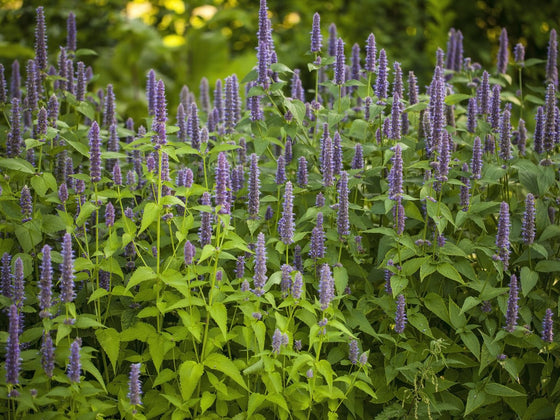
Anise Hyssop
How to grow anise hyssop in Australia from seed: surface sowing, free-draining soil, sowing months for six zones, cutting back, and picking leaves and flowers.
| Position | Full sun or light shade |
|---|---|
| Depth | Surface, or 1 mm |
| Spacing | 30 to 40 cm apart |
| First pick | Leaves from about 10 weeks |
Anise
How to grow anise in Australia: when to sow in all six climate zones, sowing where it grows, spacing and watering, then harvesting and drying seed and leaves.
| Position | Full sun, sheltered from wind |
|---|---|
| Depth | 6 to 10 mm |
| Spacing | 25 to 30 cm apart |
| First pick | Seed 17 to 20 weeks from sowing |