
How to Grow Golden Chamomile in Australia
Press golden chamomile seed onto moist seed-raising mix and cover it with no more than 2 mm, because light helps it germinate. With the soil at 18 to 21°C, seedlings appear in 2 to 4 weeks. Plant out 30 to 45 cm apart in full sun and lean, free-draining soil. Flowers often start 9 to 11 weeks from sowing, and deadheading keeps them coming.
| Sun | Full sun |
|---|---|
| Water | Low once established; never waterlogged |
| Soil | Lean, free-draining; acid to alkaline |
| Feed | Minimal; half-strength feeds at most |
| Spacing | 30 to 45 cm apart |
| Depth | Surface to 2 mm |
| Germination | 2 to 4 weeks at 18 to 21°C |
| Harvest | Flowers from 9 to 11 weeks |
| Container | Yes; 30 cm pot, about 13.5 L |
| Frost | Frost hardy once established |
| Use | Cut flowers, bees and yellow dye; not culinary |
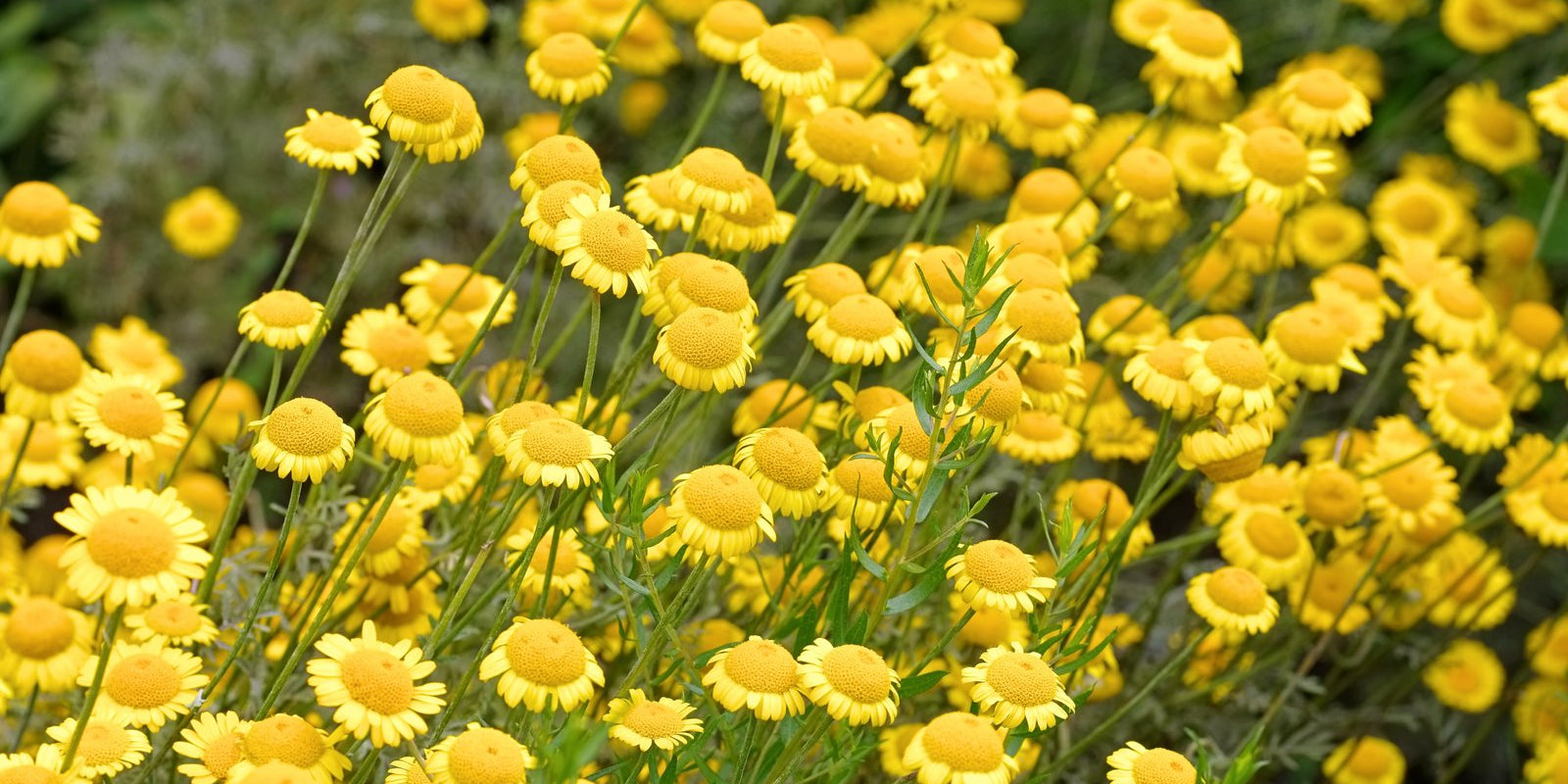
Golden chamomile (Cota tinctoria, long sold as Anthemis tinctoria) is a short-lived perennial of the daisy family, Asteraceae. It is grown for bright yellow daisies over ferny, aromatic leaves. Bees work the blooms, the stems cut well for the vase, and the heads give a warm yellow dye. German and Roman chamomile, the white-flowered herbs in the Chamomile guide, are different plants, and golden chamomile is not a culinary herb. The usual mistake is growing it in rich, well-fed soil, as Three mistakes that matter explains.
Three mistakes that matter
- Burying the seed. The seed is tiny and light helps it germinate, so seed sown deep often never comes up. Press it onto moist mix and barely cover it, as Sowing Seeds describes.
- Growing it rich and wet. Rich or heavily fed soil gives leggy plants that flop and need staking, and heavy, wet clay shortens the plant's life. Give it lean, free-draining soil in full sun and a very light hand with feed.
- Never cutting it back. Left alone, a plant that has flowered for months sprawls, goes leggy and tends to die out within two years. Deadhead through summer and cut it back after flowering, as Deadheading describes, so it regrows from the base.
When to plant
Seed germinates best with the soil at 18 to 21°C. Most zones sow in spring as the soil warms, and the warm north sows through its drier, milder months. One sowing is enough, because established plants usually self-seed.
| Zone | Example cities | Sow | Harvest | Notes |
|---|---|---|---|---|
| Tropical | Darwin NT; Cairns, Townsville QLD; Broome WA | Apr-Jun | Jul-Oct | Sow as the wet ends and the dry begins. Humid heat shortens its life, so grow it as an annual. |
| Subtropical | Brisbane, Sunshine Coast, Bundaberg QLD; Coffs Harbour, Lismore NSW | Apr-Aug | Aug-Dec | Sow through the mild, drier months. Humid summers can shorten its life, so choose the sunniest, airiest spot. |
| Arid and semi-arid | Alice Springs NT; Broken Hill, Dubbo NSW; Mildura VIC; Kalgoorlie WA | Apr-Sep | Sep-Mar | Raise seed in trays under cover while nights are frosty, and plant out after frost. Established plants handle dry heat. |
| Temperate | Sydney, Newcastle, Wollongong NSW; Melbourne, Geelong VIC | Aug-Nov | Nov-Apr | Start August sowings under cover. In Melbourne, the cold end of the zone, sow from September. |
| Mediterranean | Perth, Bunbury WA; Adelaide and the SA coast | Aug-Nov | Nov-Apr | Water spring sowings steadily through their first dry summer. Established plants suit the long, dry heat. |
| Cool and alpine | Hobart, Launceston TAS; Canberra ACT; Ballarat VIC; Orange NSW | Sep-Nov | Dec-Apr | Start seed under cover six weeks before the last frost; plant out after it, often around Melbourne Cup weekend. |
Where frost lingers, start seed in a tray under cover about six weeks before the last frost, then plant out once it passes.
Site, soil and setup
Golden chamomile grows wild on dry, stony ground, and it copes well with the conditions many plants dislike: full sun, poor soil and sharp drainage.
| Get the bed right | What to do |
|---|---|
| Light | Full sun, 6 hours or more a day |
| Soil | Sandy, gravelly or loamy soil of average or low fertility; skip manure |
| pH | Acid, neutral or alkaline soil all suit it, so it rarely needs lime |
| Drainage | Essential; on heavy clay, plant on a mound or in a raised bed |
| Very poor sand | Dig in a 5 cm layer of compost once, before planting, and nothing after |
| Room | 30 to 45 cm between plants, for clumps 60 to 90 cm tall in flower |
Give it a permanent spot in a sunny border or gravel garden, out of the vegetable rotation. On heavy ground, read waterlogged soil before you plant.
Container growing
A pot suits golden chamomile where garden soil is heavy or stays wet. Use a pot of at least 10 L; a standard 300 mm pot holds about 13.5 L of mix. Fill it with premium potting mix and add a few handfuls of coarse sand. The store sells one selection, 'Kelwayi', with no compact form.
- Water: when the mix is dry about 5 cm down, then soak until water runs from the drainage holes.
- Feed: fish and seaweed blend at half strength, about 12.5 mL per 9 L, fortnightly from first flowers to late summer.
- Position: full sun, out of strong wind, which can snap the long flower stems.
Sowing Seeds
Raise seedlings in a tray, where the tiny seed is easy to watch and young plants are easier to guard from snails. The store's Golden Chamomile Kelwayi seeds are Anthemis tinctoria 'Kelwayi', a yellow-flowered selection.
Starting in a tray
- Fill a tray or cell punnet with moist seed-raising mix.
- Mix the seed with a little dry sand and sow thinly, as sowing tiny seeds explains.
- Press it onto the surface and cover with no more than 2 mm of fine mix.
- Keep the surface damp, never soggy, at the soil temperature When to plant gives.
- Seedlings usually emerge in 2 to 4 weeks.
- Prick them out into their own pots once they are large enough to handle.
Planting out
Plant seedlings out once they have true leaves and stand 5 to 10 cm tall, at the spacing Site, soil and setup gives. Harden them off first (set them outside a little longer each day for a week or two, so they adjust to sun and wind). Water them in with seaweed solution at half strength, 15 mL per 9 L.
Care by growth stage
Once its roots are down, golden chamomile copes with drought far better than with wet soil or rich feeding.
| Stage | Water | Feed | Watch for |
|---|---|---|---|
| Germination, weeks 0 to 4 | Mist or water from below; keep the surface damp | None until the first true leaves | Seedlings collapsing at soil level |
| Seedlings, first true leaves to planting out, about weeks 3 to 8 | Water when the mix surface starts to dry | Seaweed solution at half strength, 15 mL per 9 L, fortnightly | Slugs and snails; stretching in low light |
| Establishing, planting out to first buds | Water regularly while it settles, then deeply once the soil is dry 5 cm down | None in a bed or pot until the first flowers | Aphids on soft new shoots |
| Flowering, from about weeks 9 to 11 into autumn | Keep watering steady through picking: a deep soak in the early morning, at the base, when dry 5 cm down | None in a bed; in pots, the half-strength blend | Powdery mildew; aphids on new shoots; stems flopping |
| After flowering and winter | Only in long dry spells | None | Crown rot where soil stays wet |
If growth stalls in very poor soil, scratch in all-purpose controlled release granular (NPK around 14-5-10) once in spring, at half the label rate. Established plants are frost hardy.
Deadheading
Cutting decides how long golden chamomile flowers and how long it lives. Spent flowers left on the plant set seed, and flowering slows.
- Cut fading flowers off regularly, just above a set of leaves.
- If plants flop in midsummer, shear them back by about half for fresh leaves and more flowers.
- After the main flowering, cut stems back to about 20 cm so new growth forms at the base.
- Leave a few heads to drop seed, so seedlings are ready when an old clump dies.
- Deadhead before seed ripens near bushland, and wherever self-sown seedlings are not wanted.
- Lift and split clumps every two years or so, in autumn or spring, as dividing perennials explains.
Companion planting
Golden chamomile belongs in a sunny, dry bed with plants that like the same lean treatment, and its flowers draw beneficial insects such as lacewings.
Grows well with
- Lavender and Rosemary, which want the same sun and sharp drainage.
- Yarrow and Gaillardia, tough flowers that share its liking for poor, dry soil.
- Echinacea and Salvia, which add different flower shapes for bees.
Keep apart
- Mint, which needs moist soil and can overrun a bed.
- Thirsty, heavily fed vegetables, whose water and feed keep its roots too wet and its growth soft.
Harvesting Flowers
Cut stems for the vase as the flowers open, and pick dye flowers as they begin to fade.
- For the vase, cut the longest stems with sharp secateurs.
- Strip the lower leaves and stand stems straight in a clean bucket of water.
- For dye, snap off the heads with little stem attached.
- Keep stems and leaves apart from the heads, because they dye different colours.
- Keep watering steady through picking, as for the flowering stage.
Use dye flowers fresh, or dry them out of direct sun. Store dried heads in an airtight jar, because insects will find them. Dried flowers are best used within about a year. Simmered, the flowers give warm yellows, buff and golden orange on wool and silk. The mordant (a fixing chemical, such as alum, that bonds dye to fibre) decides the shade. Mordants can be poisonous or irritant, so wear gloves and a dust mask when handling them. Keep dye pots and utensils for dyeing only, away from the kitchen.
Common problems
No seedlings after four weeks. Seed sown too deep, into cold mix or allowed to dry out often fails; see Three mistakes that matter. Read more
Tall, pale seedlings. Seedlings stretch towards the light in a dim spot, so move the tray into bright light as soon as they emerge. Read more
Stems flop open. Rich soil or heavy feeding is the usual cause; see Three mistakes that matter. Shear the plant by half and stop feeding.
Clump dies after a couple of years. Golden chamomile is naturally short-lived, especially in heavy soil, so keep self-sown seedlings coming on as Deadheading describes. Read more
Plant rots in humid summers. Hot, humid weather and wet soil around the crown shorten its life, so treat it as an annual in the tropics and subtropics.
Pests and diseases
Golden chamomile is generally trouble free, and most damage falls on seedlings or on soft growth in rich soil.
Aphids (Aphididae). Small green or yellow sap-suckers cluster on new shoots and under leaves, and leave them sticky. Squash small groups or knock them off with a strong jet of water. Read more
Slugs and snails, including garden snail (Cornu aspersum). They feed at night and after evening rain and can chew seedlings to the ground. Search with a torch about two hours after sunset, or use an iron-based bait or a copper band around pots. Read more
Powdery mildew (Erysiphales). White, powdery patches spread over the leaves in humid weather, most often on crowded plants. At the first patches, spray 1 part full-cream milk to 10 parts water in the early morning, and repeat after rain. Read more
Damping off (Pythium species and Rhizoctonia solani). Seedlings rot at soil level and topple, most often in wet, crowded trays. Sow thinly into fresh mix and avoid overwatering. Read more
Prevention first
- Sow in fresh seed-raising mix, in clean trays.
- Set citrus rind halves near seedlings and collect the snails sheltering under them.
- Give plants their full spacing so air moves freely between them.
- Water the soil at the base of the plant, not the leaves.
Tips
- For your own seed, leave a few heads unpicked until they wilt, then pick and dry them for 2 to 3 weeks. The seed then rubs easily from the centres; store it in a labelled paper bag in a dry place.
- Dyers use 200 to 400 g of dried flower heads for 100 g of wool, so grow several plants if dyeing is the goal.
- Like other daisy-family plants, it can cause dermatitis in people allergic to the family, so wear long gloves if your skin reacts.
Questions
Is golden chamomile the same as chamomile?
No. Golden chamomile is Cota tinctoria, long sold as Anthemis tinctoria, a yellow-flowered perennial grown for cut flowers, bees and dye. German and Roman chamomile are different plants with small white flowers, and they have their own guide. The store sells golden chamomile as garden seed only.
How long does golden chamomile live?
Often only a couple of years. It is a short-lived perennial that tends to go leggy and die out, especially in heavy, wet soil. Cutting it back after flowering helps it last, and letting a few heads drop seed keeps young plants coming on to replace it.
How do you keep golden chamomile flowering?
Deadhead it. Cut fading flowers off just above a set of leaves, regularly through the season. If stems flop in midsummer, shear the plant back by about half for fresh growth and more flowers. Rich, well-fed soil makes it sprawl, so keep it lean and in full sun.
How deep do you plant golden chamomile seeds?
Barely at all. Press the seed onto moist seed-raising mix and cover it with no more than 2 mm, because light helps it germinate. Keep the surface damp, and seedlings usually appear in 2 to 4 weeks with the soil at 18 to 21°C.
What colour dye does golden chamomile make?
Warm yellows, with buff and golden orange possible depending on the mordant used. The flower heads work better on wool and silk than on cotton. Dyers use about 200 to 400 g of dried heads for 100 g of wool, so several plants help.
Can you grow golden chamomile in a pot?
Yes. Use a pot of at least 10 L, such as a standard 300 mm pot holding about 13.5 L. Fill it with premium potting mix and a little coarse sand. Set it in full sun, and water when the mix is dry about 5 cm down.
Grow it

More herbs to sow in September
All herbs
Agrimony
How to grow agrimony in Australia from seed: chilling the burrs, sowing months for six climate zones, sun and soil, cutting back, harvest, history and safety.
| Position | Full sun, light shade tolerated |
|---|---|
| Depth | 5 mm |
| Spacing | 30 cm apart |
| First pick | Summer; 12 to 18 weeks from spring sowing |

Angelica
How to grow angelica in Australia from seed: fresh or chilled seed sown on the surface, part shade, months for six climate zones, stems, history and safety.
| Position | Part shade, morning sun |
|---|---|
| Depth | Surface; press in, uncovered |
| Spacing | 50 to 90 cm |
| First pick | Stems at about 18 months |
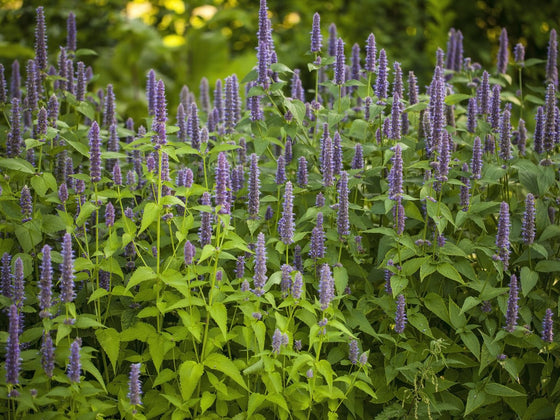
Anise Hyssop
How to grow anise hyssop in Australia from seed: surface sowing, free-draining soil, sowing months for six zones, cutting back, and picking leaves and flowers.
| Position | Full sun or light shade |
|---|---|
| Depth | Surface, or 1 mm |
| Spacing | 30 to 40 cm apart |
| First pick | Leaves from about 10 weeks |
Anise
How to grow anise in Australia: when to sow in all six climate zones, sowing where it grows, spacing and watering, then harvesting and drying seed and leaves.
| Position | Full sun, sheltered from wind |
|---|---|
| Depth | 6 to 10 mm |
| Spacing | 25 to 30 cm apart |
| First pick | Seed 17 to 20 weeks from sowing |