
How to Grow Minutina in Australia
Minutina is a frost-hardy salad plant grown from autumn to spring for crunchy, narrow, nutty leaves. Sow seed 2 to 6 mm deep in soil of 12°C to 20°C, and seedlings appear in 7 to 14 days. Thin to 10 to 15 cm apart and keep the soil evenly moist. Cut leaves at 12 to 15 cm long, about seven weeks from sowing, and it regrows.
| Sun | Full sun to part shade |
|---|---|
| Water | Keep evenly moist, never soggy |
| Soil | Fertile, free-draining, pH 6.0 to 7.0; tolerates salt |
| Feed | Light; half-strength seaweed, then fish emulsion, fortnightly |
| Spacing | 10 to 15 cm apart |
| Depth | 2 to 6 mm |
| Germination | 7 to 14 days in 12 to 20°C soil |
| Harvest | About 7 weeks from sowing |
| Container | Yes, a 15 cm pot per plant |
| Frost | Frost hardy; handles moderate frosts |
| Use | Young leaves raw or lightly cooked; flower buds |
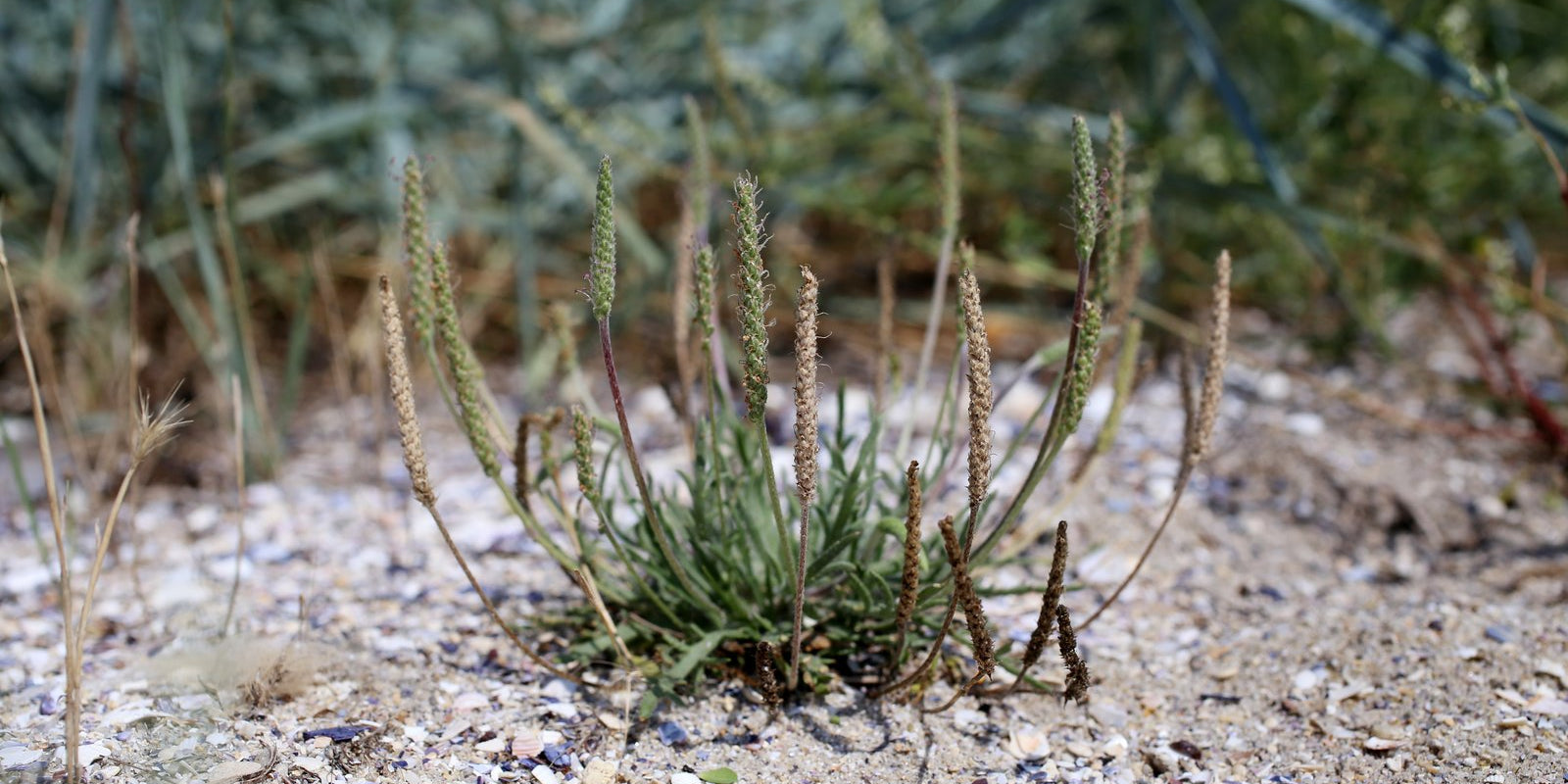
Minutina (Plantago coronopus) is a small salad plant of the plantain family, Plantaginaceae, also sold as buck's horn plantain or erba stella. It is grown as a cool-season annual for rosettes of narrow, toothed leaves with a crunchy bite and a mild, nutty flavour. Its flower buds are edible too. It shrugs off frost and salty, sandy soil, so it keeps a salad bed going through winter. The one thing most gardeners get wrong is timing: sown into warm weather, it runs to flower before it makes many leaves.
Three mistakes that matter
- Sowing into late spring warmth. Lengthening days and rising heat push minutina into flower, and a flowering plant makes fewer good leaves. Sow from autumn to early spring instead, or from late summer to spring in cool gardens, following the windows in When to plant.
- Letting the bed swing between dry and soggy. Dry soil makes the leaves wilt and toughen, while waterlogged soil rots the crown. Keep the soil evenly moist under mulch, in a bed that drains freely.
- Picking leaves too late. The leaves are at their best young and tender, so a crop left standing loses its crunch. Start cutting young, at the size given in Harvesting Leaves, and keep cutting often so fresh leaves keep coming.
When to plant
Minutina germinates best in soil of 12°C to 20°C, so sow as autumn cools the soil. Anzac Day sits in the middle of the main sowing window in temperate and Mediterranean gardens, and at its end in cool ones. Sow a short row every two to four weeks for a steady supply, because older plants lose vigour.
| Zone | Example cities | Sow | Harvest | Notes |
|---|---|---|---|---|
| Tropical | Darwin, Katherine NT; Cairns, Townsville QLD; Broome WA | Not recommended | Not recommended | Too warm all year: seed germinates best in cool soil, and heat sends plants to flower. |
| Subtropical | Brisbane, Gold Coast, Sunshine Coast QLD; Coffs Harbour, Lismore NSW | Apr-Aug | Jun-Oct | Sow once autumn cools. Plants crop through the mild winter and flower as spring warms. Stanthorpe follows Cool and alpine. |
| Arid and semi-arid | Alice Springs NT; Broken Hill, Dubbo NSW; Mildura VIC; Kalgoorlie WA | Mar-May and Aug | May-Oct | Sow as autumn heat eases; plants ride out inland frosts. Late winter sowings flower once the heat returns. |
| Temperate | Sydney, Newcastle, Wollongong NSW; Melbourne, Geelong VIC | Mar-May and Aug-Sep | May-Nov | Sow around Anzac Day for winter salads. Spring sowings flower sooner, especially on the warm Sydney coast. |
| Mediterranean | Perth, Bunbury WA; Adelaide and the SA coast | Mar-May and Aug-Sep | May-Nov | Sow as autumn rain cools the soil. Wet winters suit it; spring heat arrives dry and early. |
| Cool and alpine | Hobart, Launceston TAS; Canberra ACT; Ballarat VIC; Orange NSW | Feb-Apr and Aug-Nov | Apr-Jan | Hardy through frosty winters but slow in midwinter. Spring sowings can crop into early summer with afternoon shade. |
At the warm end of a window, sow where plants get afternoon shade and expect them to flower sooner. In frosty gardens, plants survive winter but grow slowly in the coldest weeks, so get the main crop in early in autumn.
Site, soil and setup
In the wild, minutina grows on sandy and rocky coasts, so it copes with wind, salt spray and poor soil. Garden plants still give larger, juicier leaves in moist, fertile ground.
| Factor | Setup |
|---|---|
| Light | Full sun through the cool months; part shade for sowings at the warm end of the window |
| Soil | Fertile and moisture-holding but free-draining; it also grows in sandy and salty coastal soil. Where water beads on sandy soil, apply a wetting agent at the label rate before sowing |
| pH | 6.0 to 7.0; where a soil test reads below 6.0, apply garden lime at 100 to 200 g per square metre, 4 weeks before sowing |
| Bed preparation | Dig in a 5 cm layer of compost before sowing, then rake the surface fine |
| Drainage | On heavy clay, sow into a raised bed or a trough, because a waterlogged crown rots |
| Rotation | Minutina belongs to none of the main vegetable families, so it can fill a gap anywhere in the rotation |
Container growing
Allow a pot about 15 cm across, holding roughly 2 L of mix, for each plant. Or sow a trough and thin to 10 cm apart. Fill it with quality potting mix. The store sells one minutina, an heirloom that stays small, at about 25 cm.
- Water: keep the mix evenly moist, and never leave the pot standing in water. See watering seeds and seedlings for the early weeks.
- Feed: seaweed solution at half strength every fortnight once true leaves form, then fish emulsion at half strength every fortnight once picking starts.
- Position: full sun in autumn and winter; move the pot into afternoon shade as spring warms.
Sowing Seeds
Sow minutina direct where it is to grow, or raise it in trays and plant out the seedlings.
Sowing direct
- Water the prepared bed the day before sowing.
- Sow the tiny seed thinly, 2 to 6 mm deep, in rows 30 cm apart. Sowing tiny seeds shows how to spread it evenly.
- Keep the surface damp until seedlings show, usually in 7 to 14 days.
- Thin the seedlings to 10 to 15 cm apart, and eat the thinnings.
- For a block of salad leaves, leave plants closer: crowding pushes the leaves upright and keeps them clean.
Starting under cover
- Sow two or three seeds per cell into moist seed raising mix, just covered with a sprinkle of mix.
- Snip out all but the strongest seedling in each cell.
- Harden off the seedlings (get them used to outdoor sun and wind a little more each day), following hardening off seedlings.
- Plant out at 5 to 10 cm tall, at the same spacing as direct sowings.
- Seed raising mix can carry Legionella bacteria, so dampen it first, wear gloves and a P2 mask, and wash your hands afterwards.
Care by growth stage
Steady moisture decides this crop: plants that never dry out keep making soft, crisp leaves.
| Stage | Water | Feed | Watch for |
|---|---|---|---|
| Germination, weeks 1 to 2 | Keep the surface damp with a fine spray | No feed before true leaves appear | Damping off (a rot that makes seedlings collapse at soil level) in thick, wet sowings |
| Seedlings, weeks 2 to 5 | Evenly moist, never soggy | Seaweed solution at half strength, 15 mL per 9 L, fortnightly | Snails and slugs after autumn rain |
| Leafy growth, weeks 5 to 7 | Water deeply whenever the top few centimetres dry; mulch around young plants, keeping it off the crown | Worm casting liquid, diluted to weak tea colour, fortnightly | Aphids under the leaves; rosettes lying flat on bare soil |
| Picking, from about week 7 | Keep watering evenly for as long as you pick | Fish emulsion at half strength, fortnightly, after each heavy cut | Slow growth in midwinter; outer leaves turning yellow |
| Flowering, as spring warms | Keep watering while you still pick | No feed | Flower stalks rising from the centre; leaf quality falling |
Minutina is a light feeder, and compost-rich soil carries it most of the way. If growth stalls in poor soil, a light dose of all-purpose controlled release granular (NPK around 14-5-10) scratched into the surface can help.
Pinching and Harvesting
Every cut takes leaves from the outside or the top, and the growing point at the base makes new ones. A plant left alone flowers, sets seed and self-sows freely.
- Cut above the base: take the whole rosette with scissors a little above the soil, leaving the centre intact to regrow.
- Or pick the outside: snap off the outer leaves and leave the youngest in the middle.
- Tidy up: remove yellowing or dead leaves so they do not rot among the healthy ones.
- Take the flower stalks: snip them as they rise, and eat the closed buds.
- Replace tired plants: once regrowth slows, pull the plants and resow.
Companion planting
A low rosette that likes cool, moist soil sits well among other small winter salad crops.
Grows well with
- Corn salad, another low winter salad that wants the same moist soil and frequent cutting.
- Lettuce, sown in the same cool months and picked on the same rhythm.
- Rocket, a quick cool-season leaf that shares the bed without crowding a flat rosette.
Keep apart
- Kale on the north side of the bed, whose tall leaves shade low rosettes when the winter sun sits low.
Harvesting Leaves
Picking usually starts about seven weeks after sowing, once the leaves reach 12 to 15 cm long and are still soft.
- Take outer leaves or the whole rosette, as described in Pinching and Harvesting, and come back as plants regrow.
- Wash the leaves well.
Wrap unwashed leaves in paper towel, seal them in a plastic bag in the fridge, and use them within 3 to 4 days.
Toss the leaves raw through salads, or wilt them briefly in a hot pan, since longer cooking turns them slippery. Older leaves soften if blanched in boiling water for a few seconds.
Common problems
No seedlings after two weeks. Warm soil or deep seed often stops germination, so check the temperature in When to plant and the depth in Sowing Seeds. Read more
Gritty, muddy leaves. Widely spaced plants lie flat against the soil, and rain splashes grit into them. Sow closer together and mulch around the rosettes.
Growth stops in midwinter. Plants slow right down in the coldest weeks, even though frost rarely harms them, and pick up again as days lengthen. Read more
Plants flower within weeks. Late sowings meet warmth and long days, so the plants flower young, as Three mistakes that matter explains. Take the stalks and resow in autumn.
Pests and diseases
Minutina has few pests, but snails and slugs find the tender leaves quickly.
Slugs and snails (Gastropoda). They chew ragged holes and whole seedlings, mostly on damp nights after rain. Hunt with a torch about two hours after sunset. Rely on hunting more than barriers, since a garden trial found copper tape did not cut damage. Read more
Aphids (Aphidoidea). These small sap-suckers sometimes cluster under the leaves, leaving sticky honeydew that draws ants and sooty mould. If you find them, squash them or knock them off with a jet of water, and let ladybirds and hoverflies do the rest. Read more
Damping off (Pythium and Rhizoctonia species). Seedlings rot at soil level and fall over, or fail to come up, most often in thick sowings kept wet. Sow thinly into free-draining mix and never overwater. Read more
Prevention first
- Use fresh seed raising mix and clean trays for every sowing.
- Water in the morning so the surface dries before snails come out at night.
- Check under the leaves for aphid clusters whenever you pick.
- Clear stacked pots and boards from around the bed, where snails hide by day.
Tips
- In coastal gardens, grow minutina where salt spray and sandy soil defeat lettuce.
- Buck's horn plantain is naturalised across southern Australia and is an environmental weed in Victoria and Western Australia. Cut the flower spikes before seed ripens, and never let it seed near bushland.
- Seed sold as Plantain is a different plant, Plantago major or Plantago lanceolata. For minutina, look for Plantago coronopus on the packet.
Questions
What does minutina taste like?
Minutina has a mild, nutty flavour with a hint of salt and a slight bitterness, and a juicy crunch. It sits well in mixed salads, where its narrow, toothed leaves add texture. Older leaves are tougher, so pick them young.
Is minutina the same as plantain?
It is a plantain, but not the one usually sold under that name. Minutina is Plantago coronopus, with narrow, toothed leaves. Seed sold as Plantain is Plantago major or Plantago lanceolata, different species with different leaves and uses.
Does minutina grow back after cutting?
Yes. Cut the rosette a little above the soil, leave the centre intact, and new leaves grow back. Regrowth slows after several cuts, so sow a fresh row every few weeks and pull tired plants.
Can you eat minutina flowers?
Yes. The flower buds are edible, and are best picked while still closed. Once plants flower, the leaves lose quality, so pick the buds, then resow in your zone's next window in When to plant.
Can minutina grow through summer in Australia?
Only in cool gardens, and even there it needs afternoon shade and steady water. In warmer zones, heat and long days send plants to flower. Treat it as an autumn to spring crop.
Is minutina a weed in Australia?
It can be. Buck's horn plantain is naturalised across southern Australia and is regarded as an environmental weed in Victoria and Western Australia. Cut the flower spikes before seed ripens, especially near bushland or the coast.
Grow it

More herbs to sow in September
All herbs
Agrimony
How to grow agrimony in Australia from seed: chilling the burrs, sowing months for six climate zones, sun and soil, cutting back, harvest, history and safety.
| Position | Full sun, light shade tolerated |
|---|---|
| Depth | 5 mm |
| Spacing | 30 cm apart |
| First pick | Summer; 12 to 18 weeks from spring sowing |

Angelica
How to grow angelica in Australia from seed: fresh or chilled seed sown on the surface, part shade, months for six climate zones, stems, history and safety.
| Position | Part shade, morning sun |
|---|---|
| Depth | Surface; press in, uncovered |
| Spacing | 50 to 90 cm |
| First pick | Stems at about 18 months |
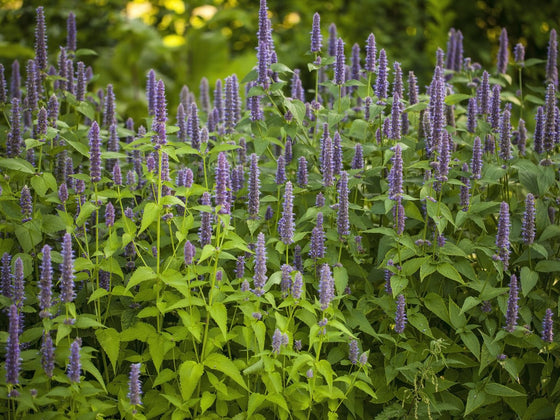
Anise Hyssop
How to grow anise hyssop in Australia from seed: surface sowing, free-draining soil, sowing months for six zones, cutting back, and picking leaves and flowers.
| Position | Full sun or light shade |
|---|---|
| Depth | Surface, or 1 mm |
| Spacing | 30 to 40 cm apart |
| First pick | Leaves from about 10 weeks |
Anise
How to grow anise in Australia: when to sow in all six climate zones, sowing where it grows, spacing and watering, then harvesting and drying seed and leaves.
| Position | Full sun, sheltered from wind |
|---|---|
| Depth | 6 to 10 mm |
| Spacing | 25 to 30 cm apart |
| First pick | Seed 17 to 20 weeks from sowing |