
How to Grow Culantro in Australia
Culantro is a frost-tender tropical herb grown for long, saw-edged leaves that taste of strong coriander. Sow after frost into soil of 21°C to 28°C, pressing seed onto the surface under 2 mm of cover at most. Seedlings take 14 to 30 days. Space plants 30 cm apart in shade or morning sun and keep them moist. Cut flower stalks early and pick outer leaves from 10 to 12 weeks.
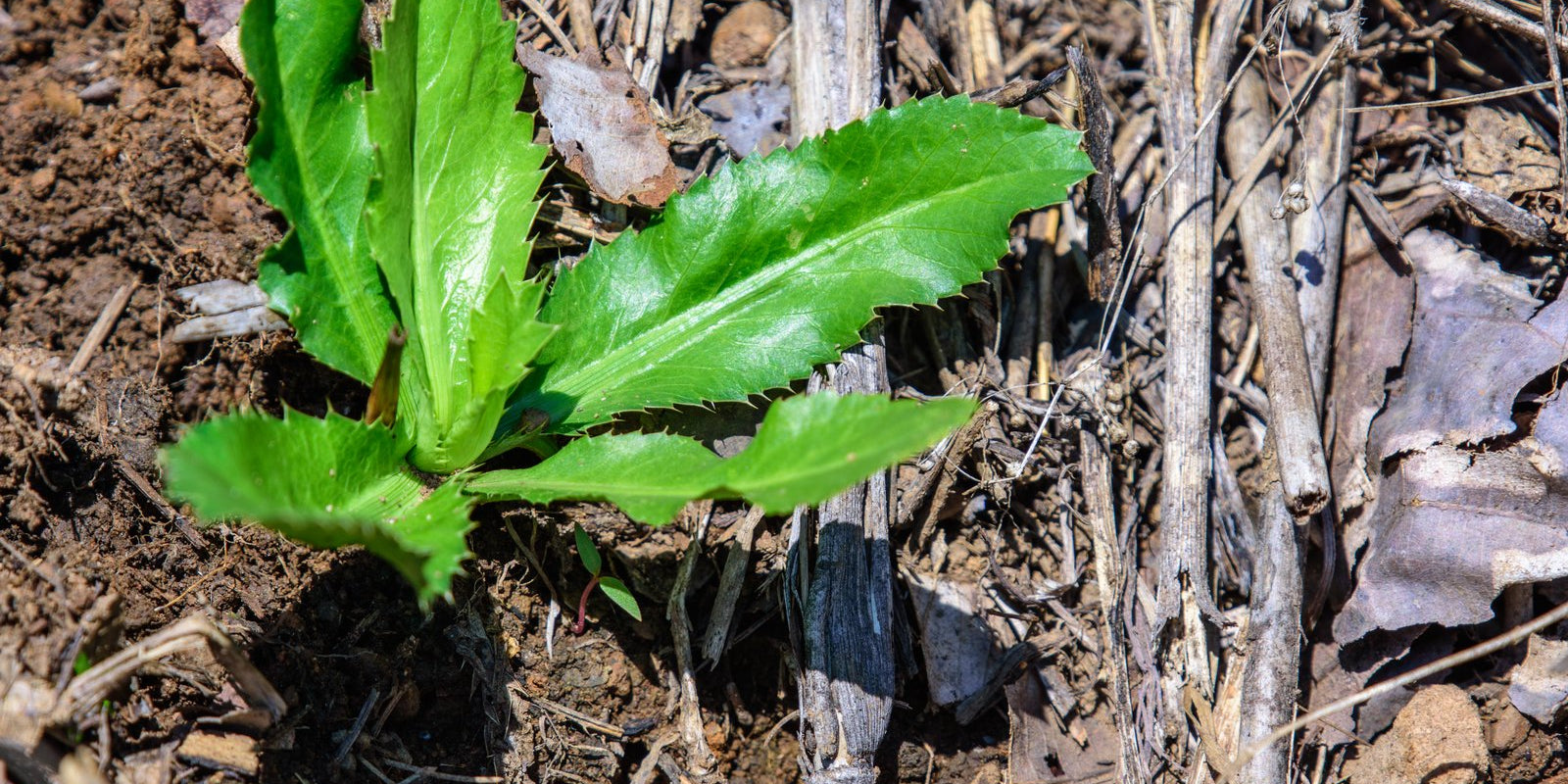
| Sun | Part shade, morning sun only |
|---|---|
| Water | Keep evenly moist; never let it dry out |
| Soil | Rich, moist, free-draining, pH 6.0 to 7.5 |
| Feed | Light; half-strength seaweed or fish, monthly |
| Spacing | 30 cm apart |
| Depth | Surface, 2 mm cover at most |
| Germination | 14 to 30 days in 21 to 28°C soil |
| Harvest | 10 to 12 weeks from sowing |
| Container | Yes, at least 4 L per plant |
| Frost | Frost-tender; frost kills it |
| Use | Leaves fresh, frozen or dried, for cooking |
Culantro (Eryngium foetidum) is a short-lived tropical herb of the carrot family, Apiaceae. Also sold as Mexican coriander, long coriander or sawtooth coriander, it is grown as an annual for its long, saw-edged leaves. They taste like a stronger coriander, and where coriander bolts (runs to flower and seed) in humid heat, culantro keeps cropping. The one thing most gardeners get wrong is sun: it wants shade, warmth and soil that never dries out.
Three mistakes that matter
- Planting it in full sun. Strong light, heat and long days push culantro into flower, and a flowering plant makes fewer, tougher leaves. Give it bright shade or morning sun only, as Site, soil and setup describes.
- Sowing into cold soil or burying the seed. The seed is slow even in warm soil and simply waits in cold ground. Press it onto warm, moist soil with barely any cover, then allow up to a month, as When to plant explains.
- Letting the soil dry out. Culantro has no tolerance for drought. Dry roots bring wilting, early flowering and tough leaves, so mulch well and water every day or two through hot weather.
When to plant
Culantro seed germinates in soil of 21°C to 28°C, and even then seedlings take 14 to 30 days to show. Sow once frost has passed and the soil has warmed, or start trays under cover a few weeks earlier. A second sowing in midsummer replaces plants that have gone to flower.
| Zone | Example cities | Sow | Harvest | Notes |
|---|---|---|---|---|
| Tropical | Darwin, Katherine NT; Cairns, Townsville QLD; Broome WA | Jan-Dec | Jan-Dec | Sow year round. Raise wet-season sowings in trays under cover, and shade dry-season plants and water daily. |
| Subtropical | Brisbane, Gold Coast, Sunshine Coast QLD; Coffs Harbour, Lismore NSW | Aug-Mar | Nov-Jun | Winter-sown seed sits in cool soil and growth stalls in cool weather, so sow from August as soils warm. |
| Arid and semi-arid | Alice Springs NT; Broken Hill, Dubbo NSW; Mildura VIC; Kalgoorlie WA | Sep-Nov | Dec-Apr | Sow after the last frost. Give deep afternoon shade and daily water, and bring pots inside before May frosts. |
| Temperate | Sydney, Newcastle, Wollongong NSW; Melbourne, Geelong VIC | Sep-Jan | Dec-May | Start September trays on a heat mat. Melbourne sows outdoors from November, around Melbourne Cup weekend. |
| Mediterranean | Perth, Bunbury WA; Adelaide and the SA coast | Sep-Dec | Dec-May | Hot, dry summers are the risk here. Grow under shade cloth with mulch and water every day in heatwaves. |
| Cool and alpine | Hobart, Launceston TAS; Canberra ACT; Ballarat VIC; Orange NSW | Oct-Dec | Jan-Apr | Sow indoors on a heat mat and plant out after the last frost. Pots can move indoors in autumn. |
At the cool end of any window, grow culantro in a pot that can move to a sheltered verandah or indoors before the first frost. Through the northern wet season, raise seed in trays under cover so heavy downpours cannot wash the fine seed away.
Site, soil and setup
Wild culantro grows along moist, shaded paths and forest edges, and garden plants want the same. Plants grown in shade flower later and carry larger, greener leaves.
| Factor | Setup |
|---|---|
| Light | Bright shade, or morning sun and less than about 3 hours of direct sun a day; shelter it from hot afternoon sun |
| Soil | Moist, fertile soil rich in organic matter; dig in a 5 cm layer of compost before sowing |
| pH | 6.0 to 7.5; where a soil test reads below 6.0, apply garden lime at 100 to 200 g per square metre, 4 weeks before sowing |
| Drainage | Moist but free-draining; on heavy clay, build a raised bed or grow in a pot |
| At planting | A handful of worm castings per planting hole, then mulch to hold moisture and keep weeds down |
| Rotation | Avoid beds where carrots, celery or tomatoes had knotted, lumpy roots, because root-knot nematode (Meloidogyne species) lingers in the soil |
Container growing
Allow a pot of at least 4 L, about 20 cm across, for one plant, or a 20 L pot for three. Fill it with quality potting mix and sow culantro seed straight into it.
- Water: keep the mix evenly moist. In summer a pot can stand in a shallow saucer of water; empty and refill it daily, because still water breeds mosquitoes. See watering pots in summer.
- Feed: fish emulsion at half strength, once a month from the first true leaves until autumn.
- Position: bright shade or morning sun, out of hot afternoon sun.
Sowing Seeds
Sow culantro where it is to grow, or into small individual pots, because its taproot does not transplant well.
Sowing direct
- Rake the bed to a fine, crumbly surface and water it the day before.
- Scatter the seed thinly, press it onto the surface and cover with no more than 2 mm of fine soil. Sowing tiny seeds shows the method.
- Mist the bed whenever the surface starts to dry, until the seedlings are up.
- Thin the seedlings to 30 cm apart once true leaves form.
Starting under cover
- Sow a few seeds per cell or biodegradable pot onto moist seed raising mix, and press them in without burying them.
- Keep the tray warm on a seedling heat mat, in bright light but out of hot sun, and mist it daily.
- Snip out all but the strongest seedling in each cell.
- Harden off the seedlings (get them used to outdoor sun and wind a little more each day), following hardening off seedlings.
- Plant out at 5 to 10 cm tall, once nights stay above 10°C, without breaking up the root ball.
- Seed raising mix can carry Legionella bacteria, so dampen it first, wear gloves and a P2 mask, and wash your hands afterwards.
Care by growth stage
Moisture and shade decide this crop: a plant that stays cool at the roots keeps making leaves.
| Stage | Water | Feed | Watch for |
|---|---|---|---|
| Germination, weeks 1 to 4 | Mist so the surface never dries | No feed before true leaves appear | Damping off (a rot, caused by Pythium and Rhizoctonia species, that makes seedlings collapse at soil level) in cold, wet trays; ants taking surface seed |
| Seedlings, weeks 4 to 8 | Evenly moist, never soggy | Seaweed solution at half strength, 15 mL per 9 L, monthly | Snails and slugs (Gastropoda), especially after rain |
| Leafy growth, from week 8 until picking starts | Deep water every day or two in hot weather; keep mulch topped up | Fish emulsion at half strength, monthly | Wilting in afternoon sun; the first flower stalk rising from the centre |
| Picking, from weeks 10 to 12 | Carry on the same watering for as long as you pick | Fish emulsion at half strength, monthly; half-strength seaweed solution after a heatwave | Flower stalks; outer leaves turning yellow and tough |
| Autumn cool-down | Water less as growth slows, but never let the soil dry out | No feed | Growth stopping as nights cool; frost, which kills it |
In compost-rich soil, culantro needs little more than these light liquid feeds. If growth stalls in poor soil, a light dose of all-purpose controlled release granular (NPK around 14-5-10) scratched into the surface can help.
Bolt Management
Once a plant has set seed it usually dies, so cutting the flower stalks early keeps the leaves coming for longer.
- Cut early: snip each flower stalk at its base as soon as it rises from the centre.
- Wear gloves: the leaf edges carry small spines and the flower heads are prickly.
- Add shade: in midsummer, a light shade cloth over the bed delays flowering.
- Replace tired plants: once the base leaves turn yellow and tough after flowering, start again from seed.
Companion planting
A low rosette that dislikes afternoon sun does best on the shady side of taller crops.
Grows well with
- Climbing beans on a trellis to the west, whose leaves throw afternoon shade.
- Sweet corn, whose tall stalks shade a culantro row planted on their eastern side.
Keep apart
Harvesting Leaves
Picking usually starts 10 to 12 weeks after sowing, once the rosette is full and the outer leaves have reached full length.
- Pull or cut the outer, oldest leaves at the base, leaving at least the three youngest leaves in the centre.
- Pick again every one to two weeks.
- Pick just before use, because the leaves wilt quickly.
- Before frost, lift the whole plant and dry the leaves.
Seal picked leaves in a plastic bag in the least cold part of the fridge and use them within about a week. Leaves held near 3°C can show chilling damage. Chopped leaves also freeze well. Unlike coriander, culantro keeps its flavour when dried. Spread the leaves somewhere warm and airy, out of direct sun, until brittle, then seal them in a clear glass jar. Keep the jar in a dark cupboard, and dry the leaves for longer if condensation forms inside.
The leaves are tough, so slice them finely and use less than you would of coriander, in soups, curries, rice dishes and salsas.
Common problems
No seedlings after three weeks. Culantro is slow in warm soil and stalls in cold soil, so check soil warmth and depth against Three mistakes that matter before resowing. Read more
Plants flower within weeks. Young plants in full sun or dry soil often run to flower early, so shift pots into shade and follow Bolt Management.
Leaves wilt every afternoon. Very hot afternoon sun makes culantro wilt even in moist soil, so move pots or add shade on the western side.
Growth stops in autumn. Culantro stops growing as temperatures fall, even in the subtropics, and frost kills it outright. Read more
Pests and diseases
Culantro has few serious pests, though snails and slugs love it.
Slugs and snails (Gastropoda). They leave ragged holes, chewed seedlings and silvery trails, mostly after rain. Search with a torch about two hours after dark and remove them, and ring pots with a copper band or a barrier of sawdust. Read more
Root-knot nematode (Meloidogyne species). Plants look stunted, yellow or wilted, and the roots carry lumps 1 to 10 mm across. These soil pests are common through Queensland, and overseas they have been found on culantro kept for years in the same container. Lift and bin affected plants, and dig compost into the bed before replanting elsewhere. Read more
Damping off (Pythium and Rhizoctonia species). Seedlings rot at soil level and topple, most often in thickly sown, wet trays. Slow seedlings in cold mix are the most likely victims, so sow thinly into fresh mix and keep the tray warm. Read more
Prevention first
- Use fresh seed raising mix and clean trays for every sowing.
- Water in the morning so the soil surface is drier by nightfall, when snails feed.
- Replace the potting mix when you resow a pot, rather than growing culantro in old mix for years.
- Drain soggy beds, using the advice on waterlogged soil.
Tips
- Grow coriander through the cool months and culantro through the warm ones for coriander flavour all year. The coriander guide covers the winter half.
- For seed, let one plant flower while you cut the stalks from the rest. Once the seed heads turn brown, cut the stalk and dry it in a paper bag.
- In summer an established plant can throw small suckers from its base. Lift one with its roots and pot it up for a second plant.
- In far north Queensland, culantro is recorded as a naturalised environmental weed. Bag the seed heads before they shed, and never let plants seed near bushland.
Questions
Is culantro the same as coriander?
No. Culantro (Eryngium foetidum) and coriander (Coriandrum sativum) are different plants in the same family. Culantro has long, toothed leaves with a stronger flavour, and it thrives in humid heat that sends coriander to seed. Vietnamese coriander (Persicaria odorata) is a third plant again, grown from cuttings.
Why are my culantro seeds not germinating?
Usually the soil is too cold, the seed is buried or the surface dried out. Sow into soil of 21°C to 28°C, press the seed onto the surface with 2 mm of cover at most, and mist daily. Seedlings can take 14 to 30 days to appear.
How do I stop culantro going to seed?
Grow it in shade, keep the soil moist, and cut each flower stalk at its base as soon as it appears. Long days, heat and strong sun all bring on flowering, and a plant that sets seed usually dies.
Can culantro grow in full sun?
It can, but it rarely does its best there. It wilts in hot afternoon sun and flowers sooner, giving fewer and tougher leaves. Bright shade or morning sun only gives larger, greener leaves.
Does culantro come back every year?
In frost-free tropical and subtropical gardens it can live for two years or more if flower stalks are removed. Frost kills it, so in colder areas grow it as an annual, or keep it in a pot that moves indoors for winter.
Can you dry or freeze culantro?
Yes to both. Unlike coriander, culantro keeps its flavour when dried. Dry the leaves in a warm, airy place out of direct sun, then store them in an airtight jar. Chopped fresh leaves also freeze well.
Grow it
More herbs to sow in September
All herbs
Agrimony
How to grow agrimony in Australia from seed: chilling the burrs, sowing months for six climate zones, sun and soil, cutting back, harvest, history and safety.
| Position | Full sun, light shade tolerated |
|---|---|
| Depth | 5 mm |
| Spacing | 30 cm apart |
| First pick | Summer; 12 to 18 weeks from spring sowing |

Angelica
How to grow angelica in Australia from seed: fresh or chilled seed sown on the surface, part shade, months for six climate zones, stems, history and safety.
| Position | Part shade, morning sun |
|---|---|
| Depth | Surface; press in, uncovered |
| Spacing | 50 to 90 cm |
| First pick | Stems at about 18 months |
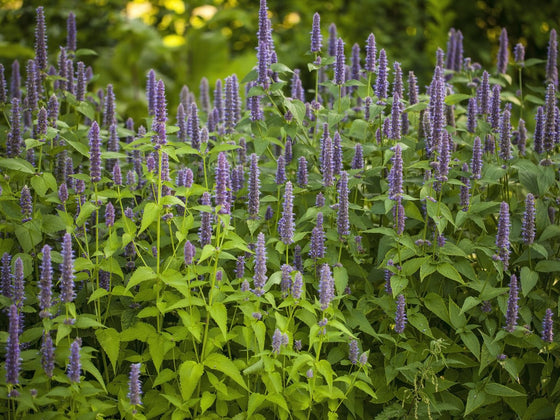
Anise Hyssop
How to grow anise hyssop in Australia from seed: surface sowing, free-draining soil, sowing months for six zones, cutting back, and picking leaves and flowers.
| Position | Full sun or light shade |
|---|---|
| Depth | Surface, or 1 mm |
| Spacing | 30 to 40 cm apart |
| First pick | Leaves from about 10 weeks |
Anise
How to grow anise in Australia: when to sow in all six climate zones, sowing where it grows, spacing and watering, then harvesting and drying seed and leaves.
| Position | Full sun, sheltered from wind |
|---|---|
| Depth | 6 to 10 mm |
| Spacing | 25 to 30 cm apart |
| First pick | Seed 17 to 20 weeks from sowing |