
How to Grow Anise in Australia
Anise is a frost-tender annual herb grown for its liquorice-flavoured seed and young leaves. Sow it where it will grow after the last frost, 6 to 10 mm deep, into soil of about 20°C to 22°C. Keep the surface moist for the 6 to 21 days it takes to emerge, then thin to 25 to 30 cm in full sun. Seed ripens 17 to 20 weeks from sowing.
| Sun | Full sun, sheltered from wind |
|---|---|
| Water | Moist while young and at flowering |
| Soil | Light, free-draining, pH 6.2 to 7.3 |
| Feed | Minimal; half-strength seaweed for seedlings |
| Spacing | 25 to 30 cm apart |
| Depth | 6 to 10 mm |
| Germination | 6 to 21 days in 20 to 22°C soil |
| Harvest | Seed 17 to 20 weeks from sowing |
| Container | Yes, 20 cm deep pot per plant |
| Frost | Frost-tender; sow after the last frost |
| Use | Seed for baking and curries; young leaves |
Anise (Pimpinella anisum) is a frost-tender annual herb of the carrot family, Apiaceae, grown for its liquorice-flavoured seed. Its young leaves are eaten too, raw in salads or stirred into cooked dishes. It needs a long, warm run of about 120 days to ripen seed, which suits most Australian gardens from spring into autumn. The one thing most gardeners get wrong is transplanting it.
Three mistakes that matter
- Raising it in punnets. Anise grows a single taproot and strongly resents root disturbance, so transplanted seedlings often stall. Sow where it is to grow, or into biodegradable pots that go into the ground whole.
- Sowing too late. Seed needs about 120 frost-free days to ripen, and a late sowing runs into autumn cold before the seed is ready. Sow as soon as frost has passed.
- Letting the seedbed dry out. The seed is slow, often taking up to three weeks, and it needs steady moisture the whole time. Water the surface lightly whenever it starts to dry until the seedlings are up.
When to plant
Sow once the danger of frost has passed and the soil has warmed. Anise germinates best in soil of 20°C to 22°C, and seedlings show in 6 to 21 days. Sow at the start of the window for the longest seed season.
| Zone | Example cities | Sow | Harvest | Notes |
|---|---|---|---|---|
| Tropical | Darwin, Katherine NT; Cairns, Townsville QLD; Broome WA | Mar-May | Jul-Oct | Sow as the wet season eases. Anise dislikes lowland tropical heat, so grow it through the dry season. |
| Subtropical | Brisbane, Gold Coast, Sunshine Coast QLD; Coffs Harbour, Lismore NSW | Sep-Feb | Jan-Jul | Early spring sowings ripen seed soonest. Cut ripe heads promptly, before summer storms wet or flatten them. |
| Arid and semi-arid | Alice Springs NT; Broken Hill, Dubbo NSW; Mildura VIC; Kalgoorlie WA | Sep-Nov | Jan-Apr | Sow after the last frost. Mulch, water deeply through summer and shelter plants from hot, drying winds. |
| Temperate | Sydney, Newcastle, Wollongong NSW; Melbourne, Geelong VIC | Sep-Dec | Jan-May | Sydney sows from September. Melbourne sows outdoors from October, or around Melbourne Cup weekend in a cold spring. |
| Mediterranean | Perth, Bunbury WA; Adelaide and the SA coast | Sep-Nov | Jan-Apr | Summer arrives hot and dry: mulch, water deeply through flowering, then ease off as seed turns grey-brown. |
| Cool and alpine | Hobart, Launceston TAS; Canberra ACT; Ballarat VIC; Orange NSW | Oct-Dec | Feb-May | Start pots under cover before the last frost. Grow December sowings for leaves, as seed may not ripen before frost. |
At the cool end of a window, start seed in biodegradable pots under cover a few weeks before the last frost. Sowings made late in a window still give leaves, even when the seed has no time to ripen.
Site, soil and setup
Anise comes from the eastern Mediterranean and grows best in a warm, sunny, sheltered bed. Plants usually grow 45 to 60 cm tall, and up to a metre in ideal conditions. Their stems are thin, and strong wind can lay plants flat once they flower.
| Factor | Setup |
|---|---|
| Sun | Full sun, at least 6 hours a day; light shade for part of the day is tolerated |
| Shelter | Out of strong wind, for example on the sheltered side of a fence or hedge |
| Soil | Light, free-draining, moderately rich loam; dig in a 5 cm layer of compost before sowing |
| pH | 6.2 to 7.3; where a soil test reads below 6.2, apply garden lime at 100 to 200 g per square metre, 4 weeks before sowing |
| Drainage | It will not tolerate very wet soil; on heavy clay, build a raised bed |
| Rotation | Do not follow carrots or celery, which share root-knot nematode (Meloidogyne species) with anise |
Container growing
A pot with drainage holes, at least 20 cm deep and 20 cm across, about 6 L, holds one plant. Depth matters more than width for the taproot. Fill it with quality potting mix and sow anise seed straight into it.
- Water: keep the mix moist until the plant is about 30 cm tall, then water when the top few centimetres feel dry. See watering pots in summer.
- Feed: fish and seaweed blend at half strength, about 12 mL per 9 L, fortnightly from the first true leaves until flowering.
- Position: full sun, out of strong wind, where the pot will not be knocked over.
Sowing Seeds
Start anise from seed sown where it will grow; Three mistakes that matter explains why.
Sowing direct
- Rake the bed to a fine, crumbly surface and water it the day before, following direct sowing.
- Sow the seed thinly along a drill 6 to 10 mm deep, then cover and firm the soil gently.
- Thin to 25 to 30 cm apart once seedlings are about 7 cm tall, snipping the extras at soil level rather than pulling them.
Starting under cover
- Sow 4 or 5 seeds, 6 mm deep, into each biodegradable pot of moist seed raising mix.
- Keep the pots warm and bright, on a seedling heat mat in a cold spring; seedlings usually show within 3 weeks.
- Snip out all but the strongest seedling in each pot.
- Harden off the seedlings (get them used to outdoor sun and wind a little more each day), following hardening off seedlings.
- Plant them out pot and all after the last frost, before roots push through the pot wall.
- Potting mix can carry Legionella bacteria, so dampen it first, wear gloves and a P2 mask, and wash your hands afterwards.
Care by growth stage
Water decides this crop more than feed: steady moisture while young and again at flowering, with only light feeding in between.
| Stage | Water | Feed | Watch for |
|---|---|---|---|
| Germination, weeks 1 to 3 | Light, frequent watering; never let the surface dry | No feed before true leaves appear | Damping off (Pythium and Rhizoctonia species; seedlings rot at soil level and topple) in wet, thickly sown rows; cutworms (Agrotis species) at night |
| Seedlings, weeks 3 to 8 | Keep evenly moist until plants reach about 30 cm; after thinning, mulch with straw, kept clear of the stems | Seaweed solution at half strength, 15 mL per 9 L, fortnightly | Crowding; thin to 25 to 30 cm |
| Leafy growth, weeks 8 to 13 | Water deeply once the top few centimetres dry; do not keep it wet | None in compost-rich soil; in sandy soil, fish and seaweed blend at half strength, about 12 mL per 9 L, fortnightly | Aphids on new growth |
| Flowering, about weeks 13 to 17 | Water deeply and regularly before and during flowering, which helps seed set | No feed | Stems leaning in wind; aphids on flower stems |
| Seed ripening, the last 2 to 4 weeks | Reduce watering 1 to 2 weeks before cutting, as the seeds turn grey-brown | No feed | Seeds darkening past grey towards black |
In soil prepared with compost, anise rarely needs more than these light feeds. If growth stalls in poor soil, a light dose of all-purpose controlled release granular (NPK around 14-5-10) scratched into the surface can help.
Companion planting
Anise flowers draw small parasitic wasps, which lay their eggs in caterpillars, so it earns a place near crops that caterpillars attack.
Grows well with
- Coriander, a carrot-family herb with the same sun and soil needs.
- Cabbage and broccoli, whose leaf-eating caterpillars those wasps attack.
Keep apart
- Carrots and parsnips, which share the willow-carrot aphid (Cavariella aegopodii) with anise.
- Pumpkins, whose big, spreading leaves shade and smother a slim herb.
Harvesting Seed and Leaves
Snip young leaves as needed once plants grow strongly. Cut the seed heads two to four weeks after flowering, when the seeds turn grey-brown.
- Take a few leaves at a time from each plant, leaving most of the foliage on plants grown for seed.
- Once the seed tips turn grey, check daily and cut the heads with a length of stem before they blacken and shed.
- Hang the stems upside down in a warm, dry, shady place with a paper bag over the heads.
- After about a week, rub the dry heads between your palms to free the seed, and pick out the stalks.
- Finish cutting before the first autumn frost.
Store the dry seed in an airtight glass jar in a dark cupboard. Seed kept for sowing stays viable for about two years sealed in a jar in the fridge. Leaves dry on a screen in a cool, dark, airy place, then go into an airtight container.
Use the seed whole or ground in bread, cakes, biscuits and curries. Add fresh leaves to salads, or stir them into soups in the last few minutes of cooking so the flavour holds.
Common problems
No seedlings after three weeks. Cold soil, deep sowing or seed over two years old are the usual causes, so check When to plant before resowing. Read more
Plants flop after flowering. Wind or heavy rain can lay the thin stems flat, so sow anise in a sheltered bed, in a block rather than one row.
Few seeds on the heads. Dry soil before and during flowering cuts seed set, so water deeply through that stage, as Care by growth stage shows.
Seed drops before harvest. Heads left too long turn black and shed their seed, so cut them at the stage Harvesting Seed and Leaves describes.
Pests and diseases
Anise has few serious pests, and most trouble comes while the plants are small.
Willow-carrot aphid (Cavariella aegopodii). Small green or yellowish sap-sucking insects cluster on new growth and flower stems, leaving sticky honeydew and distorted shoots. Squash small colonies by hand, and for heavier ones spray an insecticidal soap under the leaves, as its label directs. Read more
Cutworms (Agrotis species). Plump, smooth caterpillars hide in the soil by day and chew through seedling stems at ground level at night. Search the soil around cut seedlings by torchlight and remove them. Read more
Damping off (Pythium and Rhizoctonia species). Seedlings rot at soil level and topple, most often where seed is sown thickly into wet, poorly drained soil. Slow anise seedlings are exposed for longer, so sow thinly and water lightly. Read more
Root-knot nematode (Meloidogyne species). Plants look stunted, yellow or wilted, and lifted roots show lumps 1 to 10 mm across. These soil pests are very common throughout Queensland and travel in moved soil and plants. Lift and bin affected plants, keep the bed weed-free and sow anise in a different bed next time. Read more
Prevention first
- Clear weeds from the bed 3 to 4 weeks before sowing, so cutworms have nothing to feed on.
- Sow thinly into free-draining soil, and water in the morning rather than the evening.
- Use fresh seed raising mix and clean pots for seedlings started under cover.
- Grow alyssum or yarrow nearby to draw ladybirds, lacewings and other predators of aphids.
Tips
- Save seed from your best plants and store it as Harvesting Seed and Leaves describes. Anise cannot cross with fennel or dill, which belong to different genera.
- Sow a short second row a month after the first, just for picking leaves, so the seed row keeps its foliage.
- Mark the row at sowing. Anise seedlings open with rounded, toothed leaves much like other carrot-family seedlings, and they often get weeded out by mistake.
Questions
Is anise the same as star anise?
No. Anise (Pimpinella anisum) is an annual herb grown from seed. Star anise (Illicium verum) is a small evergreen tree from China with star-shaped fruit. The two taste alike because their oils are similar, but they are unrelated plants grown in different ways.
Is anise hyssop a type of anise?
No. Anise hyssop (Agastache foeniculum) is a perennial of the mint family with an anise scent. Anise is an annual of the carrot family, grown for its seed and young leaves. They need different care, so check which plant a recipe or packet means.
Can you transplant anise seedlings?
It is best not to. Anise grows a taproot that resents disturbance, and transplanted seedlings often stall. Sow where it will grow, or raise seedlings in biodegradable pots and plant them pot and all while they are small.
How long does anise take to produce seed?
Usually 17 to 20 weeks from sowing. Plants flower after three to four months, and the seed ripens two to four weeks later. Cut the heads when the seeds turn grey-brown, before they blacken and fall.
Why are my anise seeds not coming up?
Anise is slow, taking 6 to 21 days in warm soil and longer in cold soil. The usual causes of failure are cold soil, a dry surface, seed sown too deep, or seed more than two years old.
Can you eat anise leaves?
Yes. The young leaves have a mild, sweet aniseed flavour. Use them raw in salads, or add them to soups and stews in the last few minutes of cooking so the flavour is not lost.
Grow it
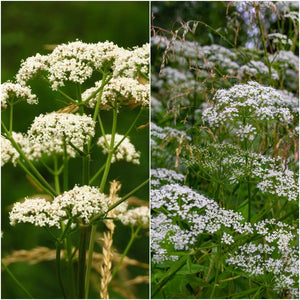
More herbs to sow in September
All herbs
Agrimony
How to grow agrimony in Australia from seed: chilling the burrs, sowing months for six climate zones, sun and soil, cutting back, harvest, history and safety.
| Position | Full sun, light shade tolerated |
|---|---|
| Depth | 5 mm |
| Spacing | 30 cm apart |
| First pick | Summer; 12 to 18 weeks from spring sowing |

Angelica
How to grow angelica in Australia from seed: fresh or chilled seed sown on the surface, part shade, months for six climate zones, stems, history and safety.
| Position | Part shade, morning sun |
|---|---|
| Depth | Surface; press in, uncovered |
| Spacing | 50 to 90 cm |
| First pick | Stems at about 18 months |
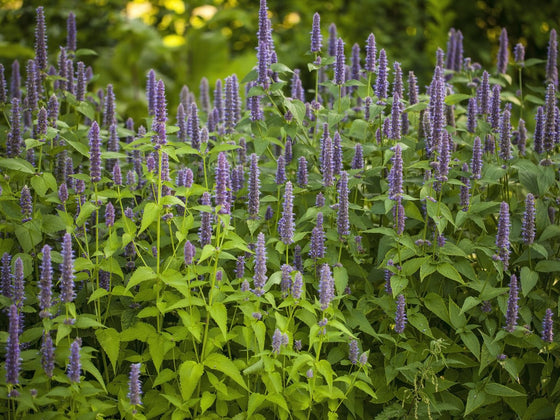
Anise Hyssop
How to grow anise hyssop in Australia from seed: surface sowing, free-draining soil, sowing months for six zones, cutting back, and picking leaves and flowers.
| Position | Full sun or light shade |
|---|---|
| Depth | Surface, or 1 mm |
| Spacing | 30 to 40 cm apart |
| First pick | Leaves from about 10 weeks |

Ashwagandha
Grow ashwagandha from seed in Australia: warm germination, sowing, site, care and root harvest, with its history and safety, for all six climate zones.
| Position | Full sun |
|---|---|
| Depth | 5 mm |
| Spacing | 45 to 60 cm apart |
| First pick | Roots 21 to 26 weeks |