
How to Grow Wild Garlic in Australia
Sow wild garlic seed 2 cm deep in a pot before winter. Or give the sown pot 2 to 4 weeks of warmth, then 4 to 8 weeks in the fridge. Seedlings take 18 days to 12 months or more. Plant out 5 to 10 cm apart in part or full shade and moist, humus-rich soil. Pick young leaves from late winter, about 2 years after the seedlings appear.
| Sun | Part to full shade |
|---|---|
| Water | Evenly moist in leaf; never waterlogged |
| Soil | Rich, moist, humus-rich, well-drained |
| Feed | Minimal; compost mulch, no fresh manure |
| Spacing | 5 to 10 cm apart |
| Depth | 2 cm |
| Germination | 18 days to 12 months or more after chilling |
| Harvest | Leaves about 2 years after seedlings appear |
| Container | Yes; 30 cm pot, about 13.5 L |
| Frost | Very frost hardy |
| Use | Leaves and flowers, raw or cooked |
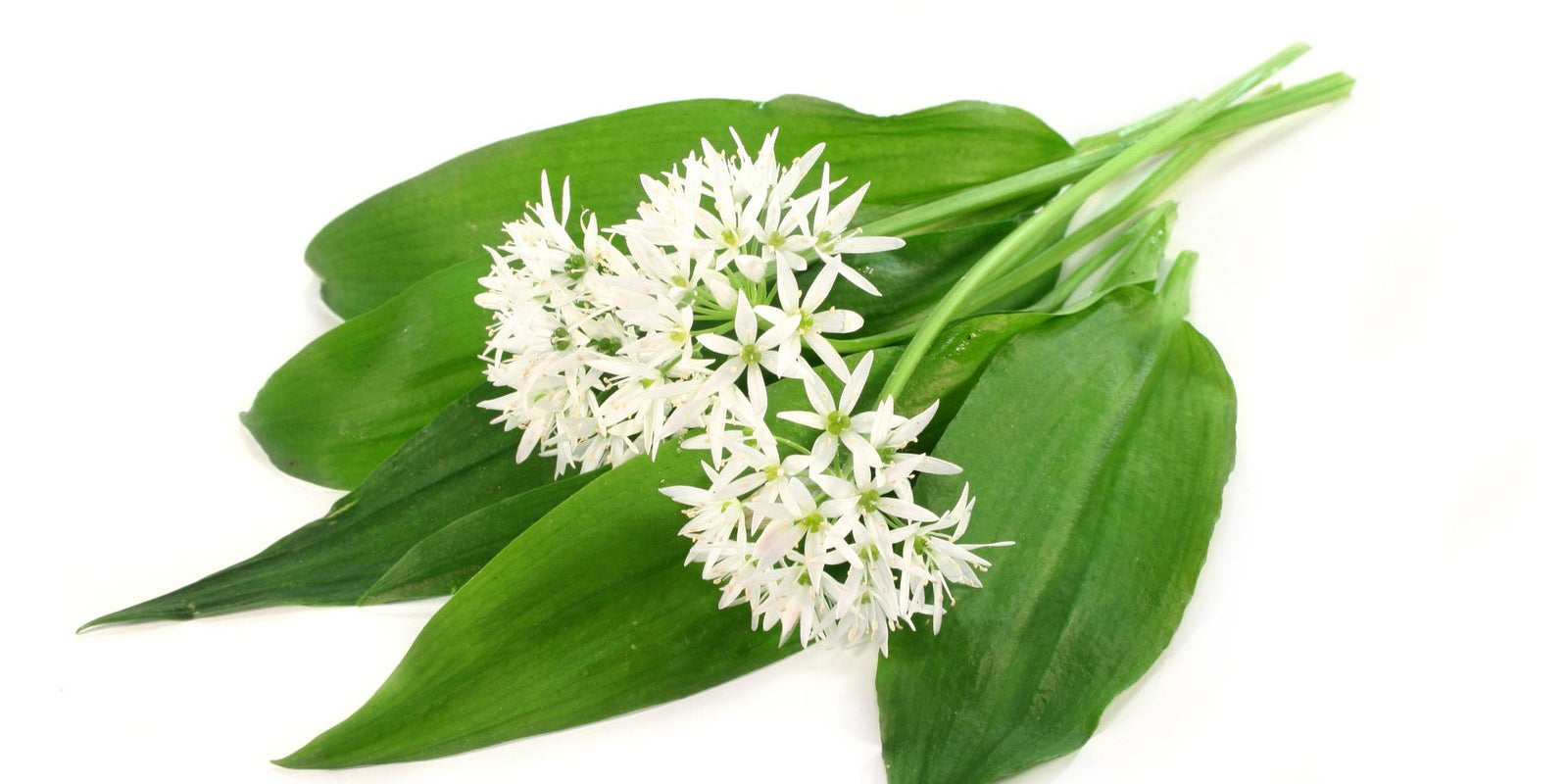
Wild garlic (Allium ursinum), also called ramsons or bear garlic, is a bulbous woodland perennial of the onion genus, family Amaryllidaceae. It is grown for its broad, garlic-scented spring leaves and starry white flowers, both eaten raw or cooked. It is not three-cornered garlic (Allium triquetrum) or crow garlic (Allium vineale), the weeds called "wild garlic" in Australia, nor onion weed (Nothoscordum borbonicum). The usual mistake is expecting quick seedlings, when the seed needs a warm spell, then winter cold, and can take a year.
Three mistakes that matter
- Sowing without a winter. Seed sown in spring, or kept warm all year, usually sits dormant, because it needs a warm spell followed by a cold one. Sow before winter, or give the sown pot a spell in the fridge, as Sowing Seeds describes.
- Planting it in hot sun and dry soil. This is a plant of damp, shaded woods, and in warm gardens sun and dry soil scorch the leaves and parch the bulbs. Plant it in part or full shade, in humus-rich soil that stays moist.
- Digging up a plant that looks dead. The leaves die down in early summer as the seed ripens, and the bulbs rest underground until late winter. Mark the spot, keep the soil from drying right out, and wait.
When to plant
A season, not a soil temperature, decides sowing: the seed needs some weeks of warmth and then a cold spell before it wakes. Sow once, in late summer or autumn, so the warm soil comes first and winter supplies the cold.
| Zone | Example cities | Sow | Harvest | Notes |
|---|---|---|---|---|
| Tropical | Darwin NT; Cairns, Townsville QLD; Broome WA | Not recommended | Not recommended | No winter cold to break seed dormancy, and hot, humid summers suit neither the leaves nor the bulbs. |
| Subtropical | Brisbane, Gold Coast, Bundaberg QLD; Coffs Harbour, Lismore NSW | Apr-May | Leaves Aug-Sep, from the third spring in leaf | Marginal. Give sown pots the fridge phases, then keep plants in deep, moist shade through summer. |
| Arid and semi-arid | Alice Springs NT; Broken Hill, Dubbo NSW; Mildura VIC | Mar-Apr | Leaves Aug-Sep, from the third spring in leaf | Marginal. Cold nights help the seed, but only a shaded, mulched, watered spot carries bulbs through summer. |
| Temperate | Sydney, Newcastle, Wollongong NSW; Melbourne, Geelong VIC | Mar-May | Leaves Aug-Oct, from the third spring in leaf | Sow before winter. On the mild coast, the fridge phases in Sowing Seeds make up for a short chill. |
| Mediterranean | Perth, Bunbury WA; Adelaide and the SA coast | Mar-May | Leaves Aug-Oct, from the third spring in leaf | Wet winters suit it; dry summers do not. Keep the resting bulbs shaded and mulched, and never bone dry. |
| Cool and alpine | Hobart, Launceston TAS; Canberra ACT; Ballarat VIC; Orange NSW | Feb-Apr | Leaves Aug-Oct, from the third spring in leaf | The best zone. Sow in pots outdoors before winter and let the cold break dormancy naturally. |
Site, soil and setup
| Get the bed right | What to do |
|---|---|
| Light | Part shade to full shade; dappled shade under a deciduous tree is ideal, and full sun suits only the coldest gardens |
| Soil | Rich, moist but well-drained loam, full of organic matter |
| pH | Mildly acid to mildly alkaline; if a test shows strongly acid soil, dig in garden lime at 100 to 200 g per square metre 4 weeks ahead |
| Drainage | Moist is good, waterlogged is not: bulbs can rot in soggy soil, so on heavy clay plant in a raised bed |
| Preparation | Dig in a 5 cm layer of compost; skip fresh manure |
| Room | A clump can spread 50 cm to 1 m over the years, by seed and by bulbs on short rhizomes (creeping underground stems) |
It stays in one place for years, so give it a permanent shaded corner outside the vegetable rotation. On heavy clay, read waterlogged soil before planting.
Container growing
A pot suits wild garlic well: it keeps a slow crop labelled and in one place, and it can move into deeper shade for summer. Choose a pot 30 cm or more across the rim; a standard 300 mm pot holds about 13.5 L of mix. Fill it with premium potting mix and a few handfuls of compost. The store sells one wild garlic, with no compact form.
- Water: keep the mix evenly moist while the plants are in leaf, and barely damp while they rest in summer.
- Feed: fish and seaweed blend at half strength, about 12.5 mL per 9 L, fortnightly from late winter until flowering.
- Position: bright shade in winter and spring, then the coolest, shadiest spot you have for summer.
Sowing Seeds
Sow the seed in a pot, where it can sit undisturbed and labelled for as long as it takes. The store's Wild Garlic seeds are Allium ursinum, 8 seeds to the packet. Due to quarantine restrictions and our shipping policy, we cannot send Wild Garlic seeds to Western Australia.
Preparing the seed
The seed has a double dormancy, broken by stratification (a set spell of moist warmth or cold that tells a seed winter has passed). Outdoors, a sowing made before winter gets both spells naturally. Where winters are mild, or to save time, give the sown pot the three phases in the table below. Keep the mix damp throughout.
| Phase | Temperature | How long | Where |
|---|---|---|---|
| Warm | 18 to 22°C | 2 to 4 weeks | Indoors, at room temperature |
| Cold | Fridge cold | 4 to 8 weeks | In the fridge, the pot inside a plastic bag |
| Germination | 5 to 12°C | 18 days to 12 months or more | Outdoors, in bright shade, out of direct sun |
For more on the method, see seed treatments and stratification.
Sowing in a pot
- Fill a deep pot with moist seed-raising mix and label it with the date.
- Sow the seed 2 cm deep and about 5 cm apart.
- Water it in and keep the mix damp, never soggy, the whole time.
- Stand the pot in shade outdoors over winter, or run the phases above.
- Seedlings can appear in about 18 days or take 12 months or more.
Sowing direct
- Choose a shaded, moist, weed-free spot and rake in compost.
- Sow 2 cm deep, 5 to 10 cm apart, before winter.
- Mark the row, because nothing may show until spring or later.
- Keep the soil moist through winter.
Planting out
Grow pot-sown seedlings on for their first year. Plant them out once they are about 10 cm tall and frosts have passed, or as dormant bulbs in late summer or autumn. Set them 5 to 10 cm apart in a shaded bed. Seedlings planted in leaf need hardening off (a little longer outdoors each day, so they adjust to sun and wind) over 10 to 15 days.
Care by growth stage
Steady moisture while it is in leaf, and shade, decide how well wild garlic grows; feeding matters little.
| Stage | Water | Feed | Watch for |
|---|---|---|---|
| Waiting for seedlings, up to 12 months or more after the cold | Keep the mix damp, never soggy | None | A pot left to dry out; weeds and moss on the surface |
| Seedlings, first leaf season | Water when the surface starts to dry | Seaweed solution at half strength, 15 mL per 9 L, fortnightly | Seedlings collapsing at soil level |
| First summer rest, in the pot | Barely damp; move the pot into deep shade | None | Mix baking dry in hot weather |
| Established clump in leaf, late winter to early spring | Keep the soil evenly moist | None in a bed beyond a 5 cm compost mulch each autumn | Pale patches on leaves in cool, wet weather |
| Flowering and harvest, spring | Keep watering steady through picking | None | Seed heads ripening where more plants are not wanted |
| Summer rest, established plants | A deep soak in long dry spells only | None | Bulb rot where soil stays waterlogged |
If growth stalls in poor soil, scratch in all-purpose controlled release granular (NPK around 14-5-10) once in late winter, at half the label rate. Established plants are very frost hardy.
Companion planting
Wild garlic is up and done by early summer, so it pairs well with shade plants that fill the space when it rests.
Grows well with
- Impatiens, whose busy Lizzie types flower in shade through summer, over the resting bulbs.
- Aquilegia, a woodland perennial for part shade and moist, humus-rich soil.
- Mitsuba, a shade-loving herb that wants the same rich, moist soil.
Keep apart
- Garlic, which shares onion white rot and downy mildew with it.
- Chives, for the same shared diseases.
Harvesting Leaves and Flowers
Pick leaves from late winter while they are young and before the flowers open, because the flavour fades as the plants bloom.
- Let plants grow for about 2 years after the seedlings appear, until they form a small clump, before picking.
- Take one leaf from each bulb and leave the rest to feed it.
- Cut leaves near the base with scissors.
- Pick flowers soon after they open, for salads.
- Keep watering steady through picking, as for the harvest care stage.
- Check every leaf before it goes in the basket.
Fresh leaves keep only a few days, wrapped in a damp cloth in the fridge. For longer, chop them and freeze them in a bag or an ice cube tray. Leaves and flowers go into salads raw, or into soups, sauces and stews.
Common problems
No seedlings after months. Germination is slow and uneven, and some seed waits for a second warm and cold cycle, so keep the pot damp and labelled. Read more
No flowers yet. Plants from seed take 2 to 5 years to reach flowering size, so young plants make leaves only.
Bulbs rot. Soil that stays waterlogged, most often through the summer rest, rots the bulbs, so improve drainage or move the clump. Read more
Pests and diseases
Wild garlic has few serious problems, and those it has, it shares with onions and garlic.
Onion white rot (Sclerotium cepivorum). Leaves yellow and die back, and the bulb base grows white fluffy mould dotted with tiny black bodies. Lift and bin affected plants with their soil, because the fungus survives in soil for up to 20 years.
Downy mildew (Peronospora destructor). Pale yellow patches appear on leaves in cool, wet weather, then greyish-purple spores. Thin crowded clumps so air moves through them. Read more
Damping off (Pythium species and Rhizoctonia solani). Seedlings rot at soil level and topple over, most often in wet, crowded pots. Sow in fresh mix and keep it damp rather than wet. Read more
Prevention first
- Sow in fresh seed-raising mix, in clean pots.
- Plant away from beds where onions, garlic or leeks have had white rot.
- Never move soil or plants from a bed with white rot.
- Water the soil at the base of the plants, not the leaves.
Tips
- Divide a crowded clump once the leaves have died down, and replant the bulbs straight away. See dividing perennials.
- Near bushland or creek lines, cut the flower heads before the seed ripens, so it cannot seed itself there.
- For more plants, sow your own seed as soon as it ripens, by midsummer. It goes in earlier than bought seed, to get the summer warmth before winter.
Questions
Is wild garlic the same as the onion weed on my nature strip?
No. The white-flowered roadside weed often called wild garlic is three-cornered garlic or angled onion, Allium triquetrum, declared in Victoria and South Australia. Crow garlic, Allium vineale, the wild garlic of state weed lists, and onion weed, Nothoscordum borbonicum, are weeds too. True wild garlic, Allium ursinum, has broad, flat leaves on separate stalks and grows in damp shade.
How long does wild garlic take to grow from seed?
Seedlings can appear in about 18 days or take 12 months or more, because the seed needs a warm spell and then a cold one. Once they appear, plants need about 2 years to form a clump worth picking, and 2 to 5 years to flower.
Why did my wild garlic disappear in summer?
It is resting, not dead. Wild garlic dies down in early summer as its seed ripens, and the bulbs stay dormant underground until late winter. Mark the spot, keep the soil from drying right out, and leave it undisturbed.
Can wild garlic grow in full sun?
Only in the coldest gardens. In most of Australia it needs part or full shade, ideally the dappled shade under a deciduous tree. Its soil should stay moist while it is in leaf.
Is wild garlic safe around dogs and cats?
No. Like onions and garlic, its leaves and bulbs contain sulphur compounds that are toxic to dogs and cats. Keep pets away from the plants and from kitchen scraps, and call a vet if a pet eats some.
Which parts of wild garlic can you eat?
The leaves and flowers are eaten raw in salads or cooked in soups, sauces and stews. The small bulbs are edible too, but digging them ends the plant, so most growers pick leaves and flowers only. Pick young leaves before the flowers open, when the flavour is best.
Grow it
Choose a size to add it to your cart. You stay on this page.
- Wild Garlic seedsFrom $8.46

More herbs to sow in September
All herbs
Agrimony
How to grow agrimony in Australia from seed: chilling the burrs, sowing months for six climate zones, sun and soil, cutting back, harvest, history and safety.
| Position | Full sun, light shade tolerated |
|---|---|
| Depth | 5 mm |
| Spacing | 30 cm apart |
| First pick | Summer; 12 to 18 weeks from spring sowing |

Angelica
How to grow angelica in Australia from seed: fresh or chilled seed sown on the surface, part shade, months for six climate zones, stems, history and safety.
| Position | Part shade, morning sun |
|---|---|
| Depth | Surface; press in, uncovered |
| Spacing | 50 to 90 cm |
| First pick | Stems at about 18 months |
Anise Hyssop
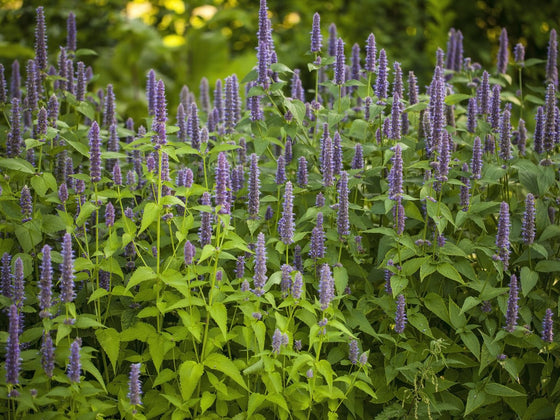
How to grow anise hyssop in Australia from seed: surface sowing, free-draining soil, sowing months for six zones, cutting back, and picking leaves and flowers.
| Position | Full sun or light shade |
|---|---|
| Depth | Surface, or 1 mm |
| Spacing | 30 to 40 cm apart |
| First pick | Leaves from about 10 weeks |
Anise
How to grow anise in Australia: when to sow in all six climate zones, sowing where it grows, spacing and watering, then harvesting and drying seed and leaves.
| Position | Full sun, sheltered from wind |
|---|---|
| Depth | 6 to 10 mm |
| Spacing | 25 to 30 cm apart |
| First pick | Seed 17 to 20 weeks from sowing |