
How to Grow Dandelions in Australia
Press dandelion seed onto moist soil or cover it no deeper than 1 mm. Seedlings appear in 7 to 21 days with the soil at 10 to 20°C. Thin to 15 to 30 cm in deep, loose soil, keep it evenly moist and pick young leaves from about 12 weeks. Cut every flower before it seeds, and dig roots in autumn.

| Sun | Full sun or light shade |
|---|---|
| Water | Keep evenly moist for tender leaves |
| Soil | Deep, loose, moist; mildly acid to alkaline |
| Feed | Light; half-strength feeds at most |
| Spacing | 15 to 30 cm apart |
| Depth | Surface, or 1 mm |
| Germination | 7 to 21 days at 10 to 20°C |
| Harvest | Leaves from about 12 to 16 weeks |
| Container | Yes; 30 cm pot or deeper, about 13.5 L |
| Frost | Hardy; growth slows in winter |
| Use | Leaves, flowers and buds; roasted root |
Dandelion (Taraxacum officinale) is a taprooted perennial of the daisy family, Asteraceae, grown for bitter greens and for roots roasted as a coffee substitute. Dandelion Red is a different plant, a red-ribbed leaf chicory, as Sowing Seeds explains. The usual mistake is letting flowers turn into seed heads, since dandelion is an environmental weed in five states.
Three mistakes that matter
- Letting the flowers set seed. Each flower head becomes a clock of over a hundred seeds that can blow as far as 500 m away. The plant is an environmental weed in Victoria, New South Wales, South Australia, Tasmania and Western Australia, so cut the flowers as Deadheading describes.
- Burying the seed. Dandelion seed needs some light to germinate, so seed buried under a normal covering of soil often never comes up. Press it onto moist soil or cover it no deeper than 1 mm, and keep the surface damp.
- Picking old leaves in dry heat. Leaves turn more bitter with age, once flower stems rise, and when heat and dry soil stress the plant. Pick young leaves, keep the soil moist, sow for the cooler months and blanch a few plants as Tips describes.
When to plant
Seed germinates best with the soil between 10 and 20°C, so most zones sow in spring and again in autumn and skip the hottest months. Red dandelion is fussier: it germinates best at about 15 to 20°C and can sit dormant when the soil tops 25°C. Sow a short row every three weeks for a steady run of young leaves.
| Zone | Example cities | Sow | Harvest | Notes |
|---|---|---|---|---|
| Tropical | Darwin NT; Cairns, Townsville QLD; Broome WA | Apr-Jul | Jul-Nov | Sow as the dry season starts. Wet-season heat turns the leaves bitter, so treat dandelion as a dry-season crop. |
| Subtropical | Brisbane, Gold Coast, Bundaberg QLD; Coffs Harbour, Lismore NSW | Mar-May and Aug-Sep | Jun-Jan | Sow in autumn or early spring while soil is below 20°C. Summer sowings often stall; mulch and shade help. |
| Arid and semi-arid | Alice Springs NT; Broken Hill, Dubbo NSW; Mildura VIC; Kalgoorlie WA | Mar-Apr and Aug-Oct | Jun-Feb | Sow around the extremes, in autumn or spring. Plants shrug off frost; mulch and steady water carry them through heat. |
| Temperate | Sydney, Newcastle, Wollongong NSW; Melbourne, Geelong VIC | Mar-Apr and Sep-Nov | Jun-Mar | Sow in spring once soil passes 10°C, or in autumn. Leaves stay mildest through the cool months. |
| Mediterranean | Perth, Bunbury WA; Adelaide and the SA coast | Mar-May and Sep-Oct | Jun-Feb | Autumn sowings grow through the wet winter. Spring sowings need mulch and steady water through the dry summer. |
| Cool and alpine | Hobart, Launceston TAS; Canberra ACT; Ballarat VIC; Orange NSW | Sep-Feb | Dec-Jun | Sow once soil warms past 10°C. Deadhead strictly: dandelion invades alpine and subalpine bushland in these districts. |
At the hot edge of a window, sow into light shade or start a tray in the shade, where the mix stays cool. In temperate and Mediterranean gardens, a sowing around Anzac Day grows through winter, when the leaves are mildest.
Site, soil and setup
A deep, loose bed grows long, straight roots, while hard or stony ground gives short, forked ones.
| Get the bed right | What to do |
|---|---|
| Light | Full sun or light shade |
| Soil | Loose, well-drained soil that holds moisture; rich, deep soil grows the biggest roots |
| pH | Mildly acid to mildly alkaline; on strongly acid soil, dig in garden lime at 100 to 200 g per square metre 4 weeks ahead |
| Preparation | Dig a 5 cm layer of compost into the top 30 cm and pick out stones before sowing |
| Position | A permanent bed or bed edge, since common dandelion lives for years |
| Mulch | About 7.5 cm of organic mulch around the plants holds moisture and smothers stray seedlings |
Red dandelion is grown as an annual, so give it a different bed each season, the way lettuce is rotated. Because dandelion is an environmental weed, check with your state or local council weed authority before planting near bushland.
Container growing
A pot suits dandelion grown for leaves. Choose a pot at least 30 cm across and as deep as you can find, because the taproot heads straight down. A standard 30 cm pot holds about 13.5 L and stands about 27 cm deep. Fill it with a premium potting mix. Both packets suit pots: the leafy strain grows 10 to 30 cm tall, and red dandelion is picked young.
- Water: whenever the surface of the mix starts to dry, until water runs from the drainage holes, so the mix stays evenly moist.
- Feed: fish and seaweed blend at half strength, about 12.5 mL per 9 L, fortnightly while picking.
- Position: full sun or light shade.
Sowing Seeds
Sow straight into the bed for roots, because transplanting disturbs the shape of the taproot. Plants grown only for leaves can start in trays.
Two different plants
Dandelion is the common dandelion. Dandelion Red is a leaf chicory, sown and picked much the same way, and How to Grow Chicory covers its relatives.
| Feature | Dandelion | Dandelion Red |
|---|---|---|
| Plant | Common dandelion, Taraxacum officinale | Leaf chicory, Cichorium intybus |
| Leaves | Dark green, toothed, in a flat rosette | Dark green with red stems and midribs; a few plants come up all green |
| Flowers | Yellow, one to each hollow stem | Blue, on a flower stalk |
| Life | Perennial with a deep taproot | Grown as an annual for leaves |
| First pick | About 85 to 110 days | Baby leaves at about 35 days, full size at about 55 days |
| Grown for | Leaves, flowers, buds and roots | Leaves |
Sowing direct
- Scatter the seed about 2.5 cm apart and press it in, or cover it no deeper than 1 mm.
- Keep the surface moist; seedlings appear in 7 to 21 days at the soil temperature When to plant gives.
- Thin the seedlings once they can be handled: 15 cm apart for young leaves, 30 cm for full-sized plants and roots.
- Space rows 30 to 45 cm apart.
Starting in trays
- Sow onto moist seed-raising mix and cover with the barest dusting.
- Once seedlings can be handled, prick them out (lift each by a leaf) into deep pots or tubes.
- Harden off the young plants (set them outdoors a little longer each day so they adjust to sun and wind) for a few days.
- Plant them out at 5 to 10 cm tall, at the spacing Sowing direct gives.
- Water them in with seaweed solution at half strength, 15 mL per 9 L.
Care by growth stage
Steady moisture matters most: evenly damp soil keeps tender leaves coming, and stressed plants turn bitter and are more prone to mildew. Feed at half strength at most, because extra nutrients push leaf at the expense of the root.
| Stage | Water | Feed | Watch for |
|---|---|---|---|
| Seedlings, first 4 weeks | Fine spray; keep the surface moist | None until the first true leaves, then seaweed solution at half strength, 15 mL per 9 L, fortnightly | Slugs and snails; seed washed out by heavy watering |
| Young plants, until the rosette fills out | A deep soak when the surface starts to dry | Fish and seaweed blend at half strength, about 12.5 mL per 9 L, fortnightly | Aphids hiding in the centre of red dandelion |
| Picking leaves, from about 12 weeks | Keep evenly moist, with mulch in hot weather | The same half-strength blend, fortnightly while picking | Powdery mildew in humid, crowded beds |
| Flowering | Keep the same routine | None | Buds in the centre of the rosette, the cue to deadhead |
| Established plants, second season on | Keep the soil moist right through picking and root harvest | Compost as a 5 cm mulch around the crowns each spring | Roots ready to dig in autumn |
Frost does not kill established dandelion, though growth slows in winter. If growth stalls in poor soil, a light scatter of all-purpose controlled release granular (NPK around 14-5-10) can help.
Deadheading
Each dandelion flower turns into a seed head within a few days, so deadheading is the one job that cannot wait. Picking flowers also keeps the plant's energy in leaves and root.
- Buds can form in any month, so once they appear in the centre of the rosette, check the plants every few days.
- Cut each flower stem at its base as the flower starts to fade, never after the clock forms.
- Put cut flower heads and root scraps in the council green waste bin, since seeds and root pieces can survive a home compost heap.
- On red dandelion, cut the flower stalk as it rises (bolting, when a plant runs to flower), before the blue flowers set seed.
- Dig out stray seedlings in paths or lawn while young, before the taproot deepens.
- Lift old plants whole, with as much root as possible, because pieces left behind regrow.
Companion planting
Dandelion is a long-lived, deep-rooted neighbour, so give it company that is not dug every season.
Grows well with
- Chives, sorrel and other perennial herbs, which also stay in one spot for years.
- Zucchini and pumpkins, since dandelion flowers draw bees into the patch.
Keep apart
- Annual vegetable beds that are dug every season, where root pieces left behind regrow as new plants.
- Lettuce and endive, near red dandelion, because all three host currant-lettuce aphid (Nasonovia ribisnigri).
Harvesting Leaves and Roots
Start picking once the rosette is full, from about 85 to 110 days, and before flower stems rise. Red dandelion is ready sooner, as Two different plants shows.
- Snip young leaves one at a time, or cut the whole rosette about 2.5 cm above the soil so it regrows.
- Pick flowers fully open and use them straight away, since they close soon after picking.
- Dig roots in autumn, loosening the soil beside each plant with a garden fork first.
- Wear gloves if you are sensitive to latex, since the milky sap can irritate the skin.
- Pick only from plants you know have not been sprayed.
Pick leaves as you need them and wash them well, because soil and insects hide on the undersides. Roots are washed, chopped and dried, then kept in an airtight container away from light and moisture.
Young leaves go into salads, and older leaves are better cooked; boiling them for 3 to 5 minutes softens the bitterness. Roasted at 180°C for 20 to 30 minutes until dark brown and brittle, then ground, the root makes a caffeine-free coffee substitute.
Common problems
Short, forked roots. Hard or stony soil and transplanted seedlings both bend the taproot, so sow direct into deep, loose soil as Site, soil and setup describes.
Red dandelion does not come up. Seed can sit dormant in soil warmer than When to plant allows, so resow in a cooler month or start a tray in the shade. Read more
Some red dandelion plants are all green. The strain varies in colour, leaf shape and habit, so a few green plants are normal.
Pests and diseases
Most troubles follow damp nights, crowding or plant stress.
Slugs and snails, including grey field slug (Deroceras reticulatum). They feed after dark and on wet days, and can chew seedlings to the ground. Pick them off by torchlight, and use beer traps or an iron-based snail bait as the label directs if numbers stay high. Read more
Currant-lettuce aphid (Nasonovia ribisnigri). Found in every state, it attacks chicory, hiding in the centre and under the leaves of red dandelion and leaving curled leaves and sticky honeydew. Hose colonies off with a strong jet, or squash them by hand. Read more
Powdery mildew (Golovinomyces species). Mildew spreads over the leaves, worst in humid weather and on stressed plants, and heavy mildew shrinks the roots. Keep the soil moist, water at the base rather than overhead, and keep the spacing Sowing direct gives. Read more
Prevention first
- Water at the base of the plants and keep the soil evenly moist.
- Thin to the full spacing so air moves between the rosettes.
- Check the centres and undersides of red dandelion leaves every week.
- Pull out volunteer chicory and prickly lettuce, which shelter aphids.
Tips
- Blanch a few plants (grow leaves in darkness so they turn pale and mild). As new spring leaves start, cover each plant with an upturned pot, or tie its leaves together.
- Use the tight flower buds in place of capers, and scatter the petals of fresh flowers over salads.
- Resow every year or two, since first-year plants give the most tender leaves, and keep the lifted roots for roasting.
Questions
Is red dandelion a real dandelion?
No. Red dandelion is a leaf chicory, Cichorium intybus, with red stems and midribs, and its flowers are blue rather than yellow. It is sown, picked and eaten much like dandelion. It germinates best in cool soil and is grown as an annual for leaves.
How do you make dandelion leaves less bitter?
Pick young leaves before the flower stems rise, keep the soil moist and grow the crop through the cooler months. Blanching helps too: cover a plant with an upturned pot so the leaves grow pale. Older leaves are better cooked, and boiling them for 3 to 5 minutes softens the bitterness.
Can I grow dandelion without it spreading through the neighbourhood?
Yes, if you deadhead. Each flower head turns into over a hundred seeds that can blow as far as 500 m away. Cut the flowers as they start to fade, before the clocks form. Dig out stray seedlings while they are young, and remove old plants with the whole root.
When do you dig dandelion roots?
In autumn, from plants that have grown for at least a season. Loosen the soil beside the plant with a garden fork and lift the whole taproot. Wash and chop it into even pieces, then roast at 180°C for 20 to 30 minutes, until dark brown and brittle. Ground, it makes a caffeine-free coffee substitute.
How do I tell dandelion from look-alike weeds?
Look at the flower stems. Cat's ear and sowthistle look similar, but dandelion carries one flower on each unbranched, hollow stem. The stem bleeds milky sap when cut. Its toothed leaves grow in a rosette straight from the root.
Does dandelion come back every year?
Yes. Common dandelion is a perennial with a deep taproot, and frost does not kill established plants, though growth slows in winter. Even a piece of root left in the soil can regrow into a new plant. Red dandelion is different, and is grown as an annual.
Grow it
Choose a size to add it to your cart. You stay on this page.
- Dandelion seedsFrom $2.99
- Dandelion Red seedsFrom $2.99


More herbs to sow in September
All herbs
Agrimony
How to grow agrimony in Australia from seed: chilling the burrs, sowing months for six climate zones, sun and soil, cutting back, harvest, history and safety.
| Position | Full sun, light shade tolerated |
|---|---|
| Depth | 5 mm |
| Spacing | 30 cm apart |
| First pick | Summer; 12 to 18 weeks from spring sowing |

Angelica
How to grow angelica in Australia from seed: fresh or chilled seed sown on the surface, part shade, months for six climate zones, stems, history and safety.
| Position | Part shade, morning sun |
|---|---|
| Depth | Surface; press in, uncovered |
| Spacing | 50 to 90 cm |
| First pick | Stems at about 18 months |
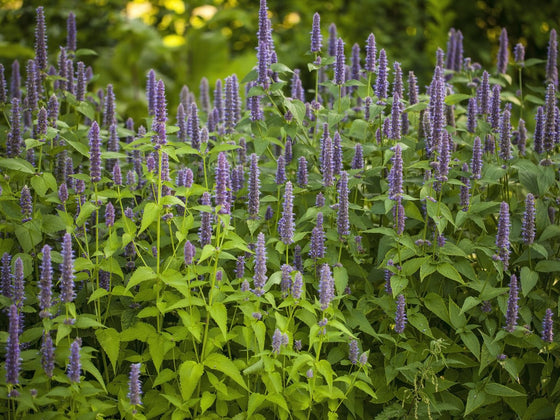
Anise Hyssop
How to grow anise hyssop in Australia from seed: surface sowing, free-draining soil, sowing months for six zones, cutting back, and picking leaves and flowers.
| Position | Full sun or light shade |
|---|---|
| Depth | Surface, or 1 mm |
| Spacing | 30 to 40 cm apart |
| First pick | Leaves from about 10 weeks |
Anise
How to grow anise in Australia: when to sow in all six climate zones, sowing where it grows, spacing and watering, then harvesting and drying seed and leaves.
| Position | Full sun, sheltered from wind |
|---|---|
| Depth | 6 to 10 mm |
| Spacing | 25 to 30 cm apart |
| First pick | Seed 17 to 20 weeks from sowing |