
How to Grow Chervil in Australia
Chervil is a cool-season annual herb with lacy, aniseed-flavoured leaves. Sow it direct where it will grow, 3 to 5 mm deep, into soil of 13°C to 20°C, because seedlings resent transplanting. Seedlings appear in 10 to 14 days. Thin to 20 to 25 cm and keep the soil moist in part shade. Sow every three weeks and pick outer leaves from 6 to 8 weeks.
| Sun | Part shade, morning sun |
|---|---|
| Water | Steadily moist, about 25 mm a week |
| Soil | Moist, humus-rich, free-draining, pH 5.5 to 7.0 |
| Feed | Light; half-strength liquid feeds, fortnightly at most |
| Spacing | 20 to 25 cm |
| Depth | 3 to 5 mm |
| Germination | 10 to 14 days in 13 to 20°C soil |
| Harvest | 6 to 8 weeks |
| Container | Yes, 25 cm wide and deep minimum |
| Frost | Tolerates light frost; bolts in heat |
| Use | Fresh leaves, added at the end of cooking |
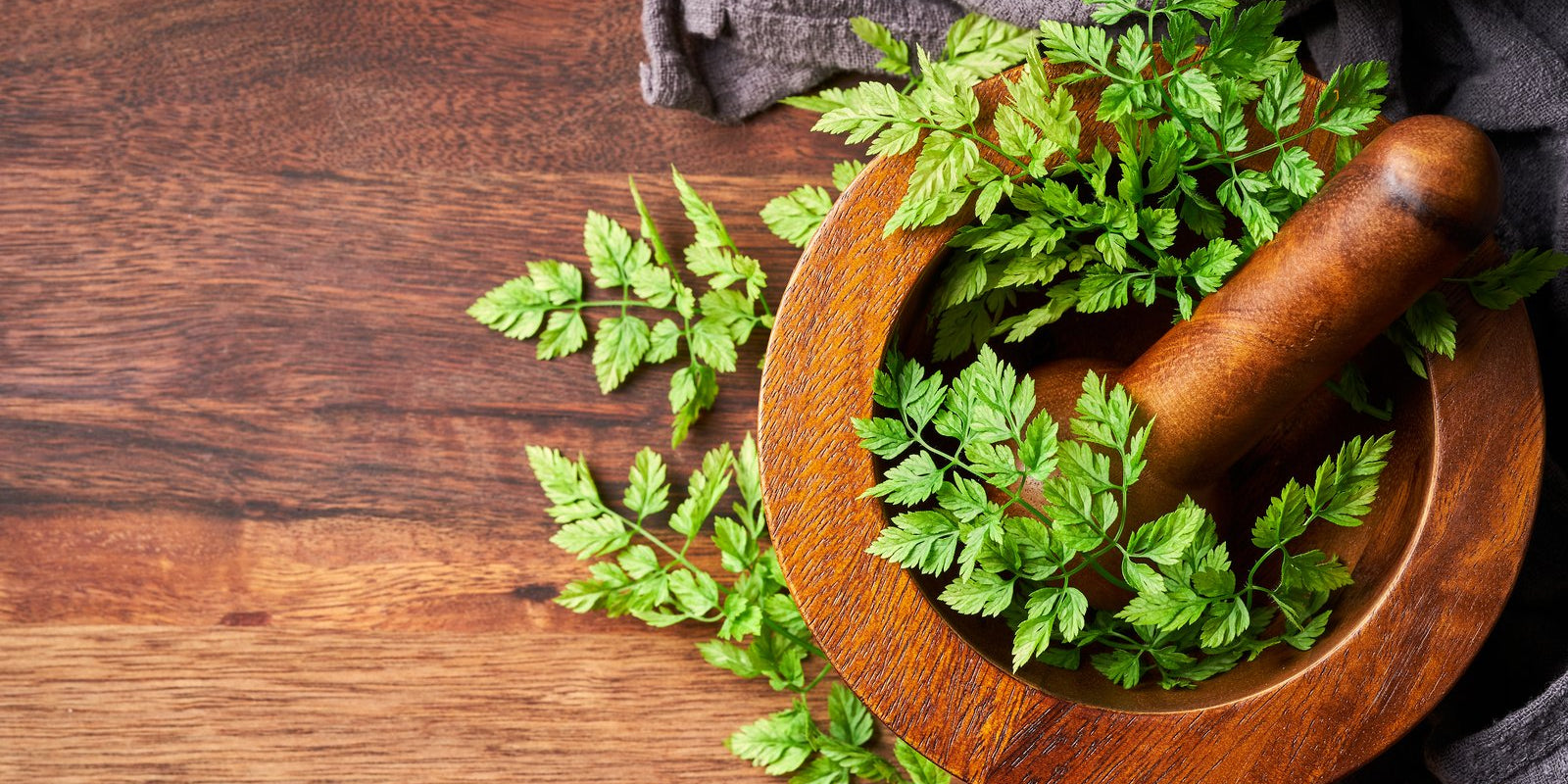
Chervil (Anthriscus cerefolium) is a cool-season annual herb in the carrot family, Apiaceae, grown for its lacy leaves with a soft parsley and aniseed flavour. It is one of the four French fines herbes. Its flavour does not survive drying or long cooking, so it is best picked fresh from the garden.
Three mistakes that matter
- Transplanting seedlings. Chervil grows a slender taproot early and sulks or bolts (runs to flower and seed) when moved. Sow it where it is to grow, in the bed or the final pot, as Sowing Seeds describes.
- Sowing into heat and full sun. Hot weather and long days push chervil into flower within weeks, often before much picking. Sow in the cool months and give it part shade, as When to plant sets out.
- Sowing old seed. Chervil seed stays viable for only about a year, so a packet left in the shed for several seasons often gives a thin, patchy row. Buy fresh seed, keep it airtight somewhere cool, dry and dark, and sow saved seed within a year.
When to plant
Chervil germinates best in soil of 13°C to 20°C and grows best in mild, cool weather. Spring sowings often give only a few weeks of good picking before they flower. Sow a fresh short row every three weeks through your window.
| Zone | Example cities | Sow | Harvest | Notes |
|---|---|---|---|---|
| Tropical | Darwin, Katherine NT; Cairns, Townsville QLD; Broome WA | Apr-Jul | Jun-Sep | A short dry-season crop at best. Sow in the shadiest spot; plants bolt fast once the build-up heat arrives. |
| Subtropical | Brisbane, Gold Coast, Sunshine Coast QLD; Coffs Harbour, Lismore NSW | Mar-Aug | May-Oct | Sow once autumn heat eases; winter sowings often come up fastest. Give spring plants afternoon shade. |
| Arid and semi-arid | Alice Springs NT; Broken Hill, Dubbo NSW; Mildura VIC; Kalgoorlie WA | Mar-Apr and Aug-Sep | May-Aug and Oct-Nov | Autumn sowings suit only once the heat breaks; late winter is surer. Shelter from drying winds and water often. |
| Temperate | Sydney, Newcastle, Wollongong NSW; Melbourne, Geelong VIC | Feb-May and Aug-Oct | Apr-Aug and Oct-Dec | Autumn sowings pick through winter. Spring sowings bolt as summer heat builds, so give them shade. |
| Mediterranean | Perth, Bunbury WA; Adelaide and the SA coast | Mar-May and Aug-Sep | May-Aug and Oct-Nov | Sow with the first autumn rains for the longest picking. Summer arrives hot and dry, ending spring sowings early. |
| Cool and alpine | Hobart, Launceston TAS; Canberra ACT; Ballarat VIC; Orange NSW | Sep-Mar | Nov-May | Sow from September once the soil warms. Shade plants through January heat; late summer sowings pick into autumn. |
At the warm edge of a window, sow into the shadiest bed and water the row daily until seedlings appear. Chervil tolerates light frost, so autumn sowings in frosty districts can keep cropping through a mild winter.
Site, soil and setup
Chervil prefers part shade, and a spot under a deciduous tree suits it well: shade in summer and sun in winter.
| Get the bed right | What to do |
|---|---|
| Sun | Morning sun and afternoon shade; full winter sun is fine in cool gardens |
| Soil | Moist, humus-rich loam with a 5 cm layer of compost dug in before sowing |
| pH | 5.5 to 7.0; below 5.5, garden lime at 100 to 200 g per square metre, 4 weeks ahead |
| Drainage | Free-draining; raise the bed where water lies, because wet, waterlogged soil rots seedlings |
| Seed bed | Weed thoroughly, fork over and rake to a fine, crumbly surface |
| Rotation | Avoid beds where carrots or parsley just grew, since they share aphids and seedling rots |
Container growing
Choose a pot at least 25 cm wide and 25 cm deep to give the taproot room. A standard 30 cm pot holds about 13.5 L. Fill it with quality potting mix and sow straight into it. Plain chervil and curled chervil both suit pots and are grown the same way.
- Water: check the mix daily in warm weather, because pots dry out fast and dry plants bolt.
- Feed: fortnightly while picking, with the half-strength fish and seaweed blend from Care by growth stage.
- Position: a bright windowsill with morning sun only, or a shady patio in warm weather.
Sowing Seeds
Chervil seed needs light to germinate, so it is sown shallow and covered only lightly.
Sowing direct
- Sow 3 to 5 mm deep in short rows or small patches.
- Keep the surface damp with a fine spray, and lay a thin cover of chopped sugarcane mulch to hold moisture. See watering seeds and seedlings.
- Expect seedlings in 10 to 14 days, or up to three weeks in cold soil.
- Thin to 20 to 25 cm apart once plants are 8 to 10 cm tall.
Raising seedlings in cells
- Where spring frosts linger, sow two or three seeds to a cell so each plant moves with its root ball intact.
- Harden off the seedlings (gradually accustom them to sun and wind), as hardening off seedlings explains.
- Plant out at about 5 cm tall, before the taproot forms, at the same depth, without teasing the roots.
Care by growth stage
Steady moisture and cool roots decide this crop, because dry spells are a common trigger for early flowering.
| Stage | Water | Feed | Watch for |
|---|---|---|---|
| Germination, weeks 1 to 3 | Fine spray to keep the surface damp | None until the first true leaves open | Damping off (seedlings rotting at soil level) in wet, waterlogged soil; the surface crusting over |
| Seedlings, weeks 3 to 5 | Keep evenly moist, never soggy | Seaweed solution at half strength, 15 mL per 9 L, fortnightly | Snails and slugs grazing seedlings overnight |
| Leafy growth, weeks 5 to 8 | About 25 mm a week at the base, more in dry wind | Fish and seaweed blend at half strength, about 12 mL per 9 L, fortnightly only if leaves pale | Aphid colonies on young shoots |
| Picking, from weeks 6 to 8 | Keep watering steadily right through picking | The same half-strength blend after a heavy cut | Flower stems rising from the centre; leaves reddening in sun |
| Flowering, end of life | Keep watering only if saving seed | None | Seed heads darkening, the sign that seed is ripe to collect |
Chervil is a light feeder, and heavy feeding, especially with nitrogen, can dull its delicate flavour. If growth stalls in poor soil, a light dose of all-purpose controlled release granular (NPK around 14-5-10) scratched into the soil can help. Mulch to keep roots cool and moist.
Bolt Management
Bolting ends the leaf harvest, because leaves turn coarse once flowering starts. It cannot be stopped for long, but these steps delay it.
- Flower stems: cut them out as soon as they rise from the centre.
- Water and shade: keep to the steady moisture and part shade that Site, soil and setup and Container growing set out.
- Picking: harvest often, so plants keep making fresh leaves.
- Spent plants: pull them once flowering takes over, and let the next sowing take their place.
Companion planting
Chervil does best among low, cool-season crops that like the same moist, lightly shaded ground.
Grows well with
- Lettuce, which shares chervil's taste for cool, moist soil and part shade.
- Radishes, quick and low, which fit between chervil rows.
- Peas, tall enough on a trellis to cast the light shade chervil likes.
Keep apart
- Carrots, which share the carrot-willow aphid and can pass carrot virus Y to chervil.
- Fennel, a vigorous relative that crowds chervil out of light and moisture.
Harvesting Leaves
Start picking 6 to 8 weeks after sowing, once plants stand at least 10 cm tall with a full rosette of leaves.
- Cut the outer stems at the base with scissors, so the centre keeps growing.
- Take no more than a third of a plant at one picking.
- For one big bunch instead, cut the whole plant back to about 5 cm; a healthy plant often regrows.
- Pick before flower stems rise, while leaves are young and fully open.
Wrap picked chervil in damp paper towel inside a bag in the fridge, where it keeps for up to 3 days. For longer storage, freeze chopped leaves in ice cube trays with water or butter rather than drying them.
Add chervil at the end of cooking, and pair it with eggs, fish, potatoes and salads.
Common problems
Seed sits in the ground for weeks. Warm soil can hold chervil seed back, and in Brisbane an autumn sowing has been known to wait until midwinter to come up. Read more
Leaves turn red or purple. Too much sun or soil drying out stresses chervil and reddens the leaves, so move pots into shade and water more often.
Plants flower while small. Sowings made at the end of a spring window meet heat and long days while still young, so sow early in the window.
Pests and diseases
Chervil has few serious troubles, and most of them strike seedlings or soft new growth.
Carrot-willow aphid (Cavariella aegopodii). Found on carrots and related crops across Australia, it yellows and distorts the leaves, and chervil ranks among its most preferred hosts. It can also carry carrot virus Y, which infected chervil in a Western Australian field trial. Hose colonies off, or spray insecticidal soap as the label directs and check your state's chemical rules. Read more
Common garden snail (Cornu aspersum). This introduced snail, and slugs working the same way, graze young chervil overnight and can clear a freshly emerged row. Hand-pick by torchlight after rain, ring pots with copper strips, or scatter iron-based snail pellets thinly, never in heaps, away from dogs. Read more
Damping off (Pythium and Rhizoctonia species). These soil organisms rot seed before it emerges, or collapse seedlings at soil level, mostly in mild, wet, waterlogged conditions. Sow thinly, and wait for sodden soil to drain before sowing. Read more
Prevention first
- Water the row rather than the whole bed, keeping the surface damp but never sodden.
- Thin to the spacing in Sowing Seeds so air moves between plants.
- Check new shoots weekly for aphids, and leave flowering chervil nearby to feed the insects that eat them.
- Remove boards, pots and weedy edges where snails shelter by day.
Tips
- Pick chervil only from plants you sowed yourself. Hemlock (Conium maculatum), a relative with fern-like leaves, purple-spotted hollow stems and white flowers, grows wild across south-eastern Australia and is highly toxic.
- Let a few plants flower and drop seed, and chervil often self-sows a fresh patch in the same bed.
- Buy by the botanical name. Sweet cicely, sometimes sold as sweet chervil, is a different perennial herb that grows to over a metre.
Questions
Why does my chervil keep bolting?
Heat, long days and dry soil all push chervil into flower. Sow in the cool months, grow it in part shade and keep the soil steadily moist. Cut flower stems as they appear, and sow a fresh row every three weeks, since spring plants often crop for only a few weeks.
When should I plant chervil in Australia?
Sow in the cool part of the year. Around Sydney and Melbourne, sow February to May and August to October. The subtropics sow March to August. Perth and Adelaide sow March to May and August to September, and cool districts September to March.
Can you transplant chervil seedlings?
It is best not to. Chervil forms a taproot early and often bolts after it is disturbed. Sow direct into the bed or pot. Where spring frosts linger, sow into cells and plant out at about 5 cm tall, before the taproot forms, without disturbing the roots.
Can you grow chervil in a pot indoors?
Yes. Use a pot at least 25 cm wide and deep, filled with quality potting mix, on a windowsill that gets morning sun only. Keep the mix moist and turn the pot every few days so plants grow evenly. An indoor pot keeps picking going through the hottest months.
Is chervil the same as parsley or sweet cicely?
No. Chervil, sometimes called French parsley, is a close relative of parsley with finer leaves and an aniseed flavour. Sweet cicely, also sold as sweet chervil, is a separate perennial herb growing to over a metre. Buy chervil by its botanical name, Anthriscus cerefolium.
Grow it
More herbs to sow in September
All herbs
Agrimony
How to grow agrimony in Australia from seed: chilling the burrs, sowing months for six climate zones, sun and soil, cutting back, harvest, history and safety.
| Position | Full sun, light shade tolerated |
|---|---|
| Depth | 5 mm |
| Spacing | 30 cm apart |
| First pick | Summer; 12 to 18 weeks from spring sowing |

Angelica
How to grow angelica in Australia from seed: fresh or chilled seed sown on the surface, part shade, months for six climate zones, stems, history and safety.
| Position | Part shade, morning sun |
|---|---|
| Depth | Surface; press in, uncovered |
| Spacing | 50 to 90 cm |
| First pick | Stems at about 18 months |
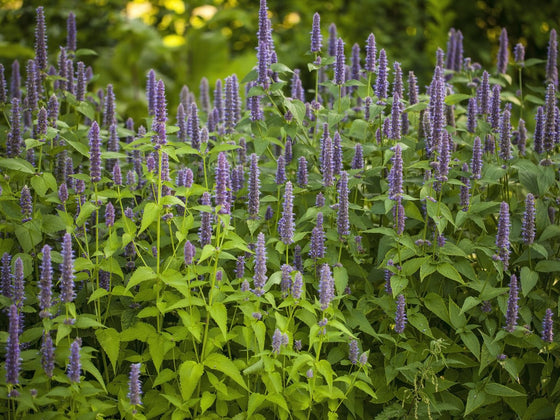
Anise Hyssop
How to grow anise hyssop in Australia from seed: surface sowing, free-draining soil, sowing months for six zones, cutting back, and picking leaves and flowers.
| Position | Full sun or light shade |
|---|---|
| Depth | Surface, or 1 mm |
| Spacing | 30 to 40 cm apart |
| First pick | Leaves from about 10 weeks |
Anise
How to grow anise in Australia: when to sow in all six climate zones, sowing where it grows, spacing and watering, then harvesting and drying seed and leaves.
| Position | Full sun, sheltered from wind |
|---|---|
| Depth | 6 to 10 mm |
| Spacing | 25 to 30 cm apart |
| First pick | Seed 17 to 20 weeks from sowing |