
How to Grow Lemongrass in Australia
Sow lemongrass seed barely covered in moist seed-raising mix at 20 to 30°C, and seedlings appear in 7 to 14 days. Plant the young clumps out after frost, 60 to 90 cm apart, in full sun and rich, free-draining soil kept moist. Cut stalks about 1.5 cm thick from 10 to 16 weeks. Where winters frost, grow it in a pot moved under cover.
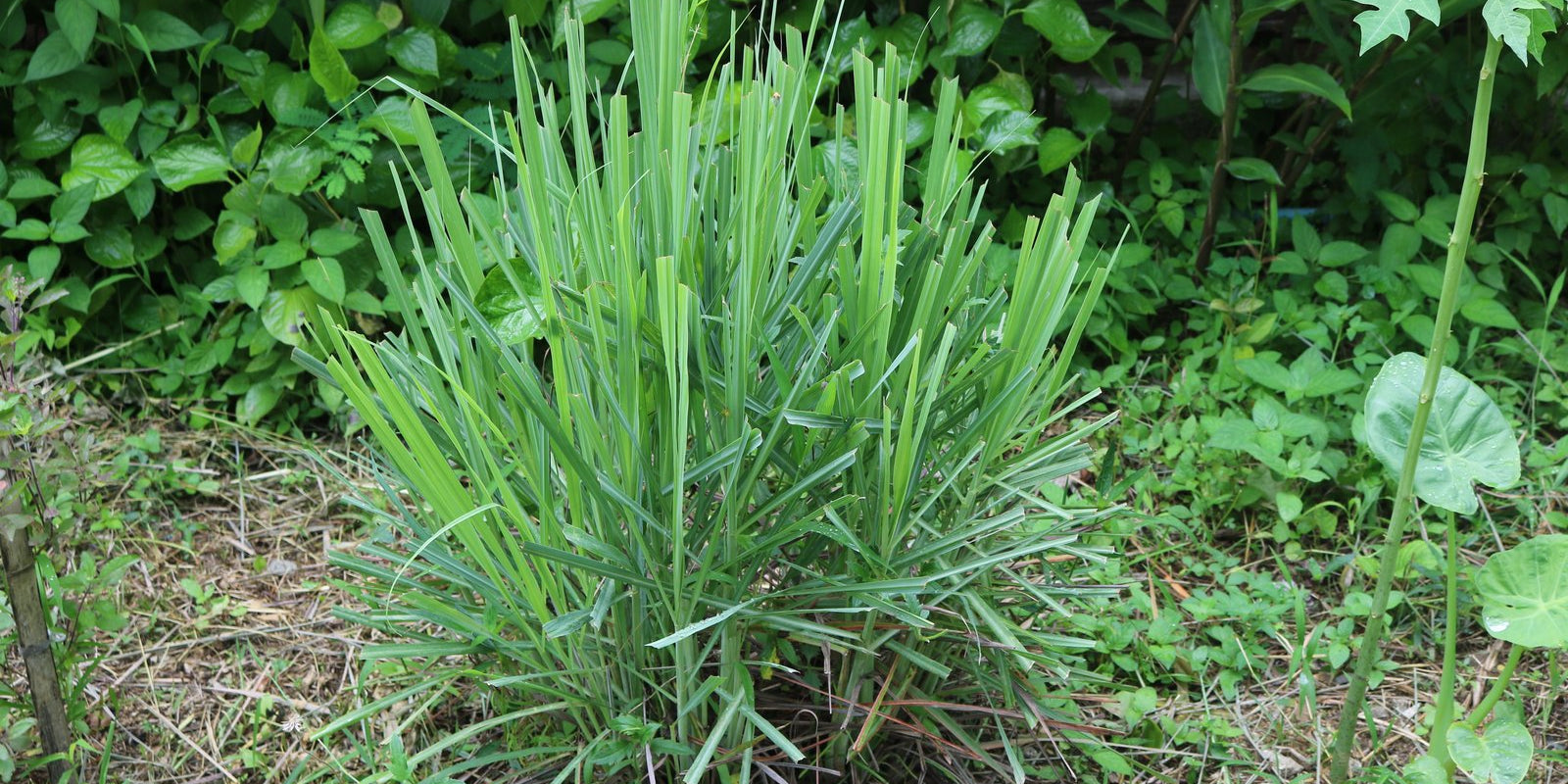
| Sun | Full sun |
|---|---|
| Water | Keep moist, never waterlogged |
| Soil | Rich, moist loam that drains freely |
| Feed | Fish and seaweed blend, half strength, fortnightly in summer |
| Spacing | 60 to 90 cm |
| Depth | Barely covered, 3 mm |
| Germination | 7 to 14 days at 20 to 30°C |
| Harvest | 10 to 16 weeks from sowing |
| Container | Yes; 30 cm pot or wider |
| Frost | Tender; frost kills leaves or whole clumps |
| Use | Stalk bases for cooking; leaves for tea |
Lemongrass (Cymbopogon flexuosus) is a clumping perennial of the grass family, Poaceae, grown for its lemon-scented stalk bases and leaves. The packet seed is East Indian lemongrass, while greengrocer stalks are usually West Indian lemongrass (Cymbopogon citratus), which rarely sets seed. Both thrive from Darwin to Brisbane, and the usual loss further south is a clump left in cold, wet ground through a frosty winter.
Three mistakes that matter
- Burying the seed or sowing it cold. The seed germinates best with light and warmth, so a thick covering or a chilly tray gives a patchy tray or a bare one. Cover it with no more than 3 mm of fine mix and keep it at the temperature When to plant gives.
- Leaving it in the ground through frost. Frosts of minus 5°C can wipe out a clump, and cold, wet soil rots the base. Where winters frost, grow it in a pot that moves under cover, or treat it as a summer crop.
- Never dividing the clump. An old clump crowds itself and sends up thinner, fewer stalks. Divide it as Cutting Back describes.
When to plant
Seed germinates best with the mix at 20 to 30°C, so sow once spring nights warm up, or earlier under cover with bottom heat. One sowing is enough: in frost-free gardens the clump keeps producing for years.
| Zone | Example cities | Sow | Harvest | Notes |
|---|---|---|---|---|
| Tropical | Darwin, Katherine NT; Cairns, Townsville QLD; Broome WA | Sep-Jan | Jan-Dec | Sow in the build-up so plants go out as wet season rains arrive. Clumps grow year round. |
| Subtropical | Brisbane, Gold Coast, Bundaberg QLD; Coffs Harbour, Lismore NSW | Sep-Jan | Dec-Jul | Sow once spring nights warm. Frost-free coastal clumps grow for years; growth slows in winter. |
| Arid and semi-arid | Alice Springs NT; Broken Hill, Dubbo NSW; Mildura VIC; Kalgoorlie WA | Oct-Dec | Jan-Apr | Sow after inland frosts end. Water deeply in summer; pot up or protect clumps before May frosts. |
| Temperate | Sydney, Newcastle, Wollongong NSW; Melbourne, Geelong VIC | Sep-Nov | Jan-May | Coastal Sydney clumps usually overwinter outdoors. Around Melbourne, start trays under cover and pot plants for winter. |
| Mediterranean | Perth, Bunbury WA; Adelaide and the SA coast | Sep-Nov | Jan-May | Sow in spring and water steadily through the dry summer. Move pots under cover in frosty inland pockets. |
| Cool and alpine | Hobart, Launceston TAS; Canberra ACT; Ballarat VIC; Orange NSW | Oct-Nov | Feb-Apr | Sow under cover and grow in pots. Move them under cover before frosts, which can kill clumps outdoors. |
Lemongrass grows well only once temperatures stay above about 13°C, so keep early seedlings under cover through cool snaps. Late sowings can stay in pots under cover until the following spring.
Site, soil and setup
Give it the warmest, sunniest spot available, because this tropical grass grows fastest with heat, sun and steady moisture.
| Get the bed right | What to do |
|---|---|
| Light | Full sun |
| Soil | Rich, moist loam that still drains freely; lemongrass dislikes wet feet |
| Heavy or wet soil | Plant on a mound or in a raised bed, since waterlogged soil should be avoided |
| Preparation | Dig in a 5 cm layer of compost before planting, then pelletised chicken manure at 100 g per square metre at planting |
| pH | Slightly acid to neutral suits it, and it grows on a wide range of soils, so most need no correction |
| Mulch | Straw, to hold moisture through summer |
| Room | A mature clump reaches 1 to 1.5 m tall and about 1 m across |
The clump stays put for years, so give it a permanent spot at a bed edge rather than a place in the vegie rotation.
Container growing
Start a young clump in a pot at least 30 cm across, about 13.5 L. Move it into a 40 cm pot, about 28 L, once it fills that, using a premium potting mix.
- Water: keep the mix evenly moist while it grows, and water sparingly once cold slows it.
- Feed: the half-strength fish and seaweed blend Care by growth stage gives, from spring to late summer.
- Position: full sun outdoors. Before nights fall below about 7°C, move it to a bright spot indoors that stays above that.
Sowing Seeds
Start the seed in punnets or small pots under cover, then plant out the young clumps once the weather is warm.
Starting under cover
- Sow thinly on moist seed-raising mix and cover with no more than 3 mm of fine mix.
- Keep the mix at the temperature When to plant gives, under a clear cover, and lift the cover once shoots appear.
- Expect seedlings in 7 to 14 days, or up to three weeks in cooler mix.
- Grow them on as small clumps rather than separating every seedling.
- Pot them on, as Container growing describes, or plant them out, once they are 5 to 10 cm tall.
A seedling heat mat holds that warmth through a cool spring.
Planting out
- Harden off the seedlings (move them outdoors a little longer each day so they adjust to sun and wind) over several days. Read more
- Plant out once the last frost has passed.
- Space clumps 60 to 90 cm apart where they will stay for years, or 30 cm apart for a single summer.
- Water them in with seaweed solution at half strength, 15 mL per 9 L, and mulch with straw.
West Indian lemongrass from stalks
| Feature | East Indian (the packet seed) | West Indian (greengrocer stalks) |
|---|---|---|
| Botanical name | Cymbopogon flexuosus | Cymbopogon citratus |
| Started from | Seed, or division; flowers in warm areas, with purplish seed heads | Rooted stalks or division; rarely sets seed |
| Size | Taller and more vigorous, to about 1.5 m, often with purple stem bases | About 1 m |
| Rust | Reported to resist it | Often troubled in warm, wet weather |
| Kitchen use | Stalk bases and leaves, for cooking and tea | Stalk bases for cooking, leaves for tea |
- Stand fresh stalks with their bases intact in about 5 cm of clean water, in a bright spot.
- Change the water every few days.
- Expect roots in about two weeks.
- Pot them up or plant them out once roots show, then care for them as seedlings.
A division from an established clump is quicker still, as Cutting Back describes. Read more
Care by growth stage
| Stage | Water | Feed | Watch for |
|---|---|---|---|
| Seedlings, until 5 to 10 cm tall | Fine spray; keep the mix moist, never soggy | None until the first true leaves, then seaweed solution at half strength, 15 mL per 9 L, fortnightly | Damping off; seedlings collapsing at soil level |
| Planting out, until new leaves show | Keep the soil moist while the roots take hold | Seaweed solution at half strength at planting | Wilting on hot, windy days |
| Summer growth | Keep evenly moist, with a deep soak in hot, dry spells; an established clump in the ground rides out a dry spell, but seedlings and pots do not | Fish and seaweed blend at half strength, 12.5 mL per 9 L, fortnightly; pelletised chicken manure, 100 g per square metre, in midsummer | Mite stippling on pot plants; rust spots in humid weather |
| Harvest, from the first cut (all year in frost-free gardens) | Keep the same steady routine through each cut | Fish and seaweed blend at half strength, fortnightly, while it grows | Stalks about 1.5 cm thick, the cue to cut |
| Winter, where cold slows growth | Water sparingly and keep the base out of wet soil | None | Frost-browned tops; see Cutting Back |
Like other grasses, lemongrass uses plenty of nitrogen in summer, but half-strength feeds given often suit it better than strong doses. If growth stalls in poor soil, a light scatter of all-purpose controlled release granular (NPK around 14-5-10) in spring can help.
Cutting Back
Spring is the time to cut back, not winter: frost-damaged leaves shelter the centre of the clump from further cold.
- Wear gloves, because the leaf edges are sharp enough to cut skin.
- Outside winter, pull or cut away dead and tatty leaves as they appear, and bin rusty ones rather than using them as mulch.
- Once new growth starts in spring, cut the whole clump down to 5 to 10 cm.
- Where indoor space is short, cut potted plants to 5 to 10 cm before moving them under cover in autumn.
- Every two to three years in spring, slice the clump apart with a sharp spade and replant pieces with good roots and several strong stalks. Read more
- In warm areas, cut off the tall seed heads before the seed sets, since East Indian lemongrass, the packet seed, can self-sow heavily.
Companion planting
Lemongrass shares its needs with other tropical kitchen plants, and its height suits an edging or a screen.
Grows well with
- Ginger and turmeric, which want the same heat, moisture and rich soil.
- A vegie patch, planted as an edging row, where the clump helps block running grasses.
Keep apart
- Oregano and other low, sun-loving herbs, which a clump 1 to 1.5 m tall shades out.
- Paths and play areas, where the sharp leaves catch passing hands and legs.
- Other lemongrass clumps packed closely together, since crowding helps rust spread.
Harvesting Stalks
Start cutting once the clump is established, usually 10 to 16 weeks after sowing, choosing stalks about 1.5 cm thick at the base.
- Wear gloves, and take the oldest stalks from the outside of the clump first.
- Cut each stalk at ground level with a sharp knife rather than pulling, which can tear out the whole plant.
- Peel away the tough outer layers and keep the lower 10 cm or so, where the flavour is best.
- Save the leaves for tea, since they are too tough to eat.
- Where it is grown as a summer crop in frosty districts, cut the remaining stalks before the first frost.
Wrap the stalks and keep them in the crisper for up to two weeks, or freeze them for up to six months. Dry the leaves in a warm, airy spot out of direct sun, for tea through the year.
Bruise or finely slice the pale base for curries, soups and stir-fries, and steep the leaves for tea. Chewing the leaves can upset the stomach of dogs and cats, so keep pots out of their reach.
Common problems
No seedlings. Seed buried deeply or sown into cold mix rarely comes up, so see Three mistakes that matter and sow again in warmth. Read more
Brown, collapsed tops after winter. Frost has killed the leaves, so leave them in place until frosts pass and then cut back as Cutting Back describes. Read more
Soft, rotting base. Cold, waterlogged soil rots the crown in winter, so replant a healthy division on a mound or in a pot.
White powdery coating on the leaves. Powdery mildew can appear in humid, still air around a crowded clump, so water at the base, thin the clump and remove affected leaves. Read more
Thin stalks. Shade, dry soil, too little feed or an old, crowded clump all give thin stalks, and dividing the clump restores its vigour.
Pests and diseases
Few pests bother lemongrass, and most trouble follows humid weather, crowding or dry air around pot plants.
Lemongrass rust (Puccinia nakanishikii). Tiny yellow spots grow into brown streaks along the veins, with cinnamon-brown pustules on the leaf undersides. It is recorded in Queensland and the Northern Territory and is worst in warm, wet weather. Cut out and bin affected leaves; rusted stalks remain safe to cook with.
Spider mites, such as two-spotted mite (Tetranychus urticae). These mites, under 0.5 mm long, suck leaf cells and leave fine yellow stippling, mostly on pot plants in dry air or under cover. Hose the leaves, undersides included, and avoid broad-spectrum sprays that kill predatory mites. Read more
Damping off (Pythium and Rhizoctonia species). Seedlings collapse at soil level, most often in wet mix sown thickly. Sow thinly into clean mix and water in the morning so the surface dries before evening. Read more
Prevention first
- Plant in free-draining soil in a sunny, airy spot.
- Water at the base rather than over the leaves.
- Keep weeds down around the clump so the leaves dry quickly.
- Plant or share only clean, rust-free divisions.
Tips
- In cool zones, pot up a rooted piece of the stalk base in autumn and keep it indoors as insurance against a hard winter.
- Share spare divisions: in the tropics a single stalk can form a large clump within months.
- Lay healthy leaf trimmings under nearby plants as mulch through summer.
Questions
Can you grow lemongrass from seed?
Yes, East Indian lemongrass grows from seed. Cover it with no more than 3 mm of moist seed-raising mix at 20 to 30°C. Seedlings appear in 7 to 14 days, sometimes up to three weeks. The West Indian kind sold as stalks rarely sets seed, so it is grown from rooted stalks or divisions.
Can I grow lemongrass from supermarket stalks?
Often, yes. Stand fresh stalks with their bases intact in a little clean water in a bright spot, and change the water every few days. Roots usually appear in about two weeks, and the stalks can then be potted up. Shop stalks are usually West Indian lemongrass.
Will lemongrass survive winter?
In frost-free gardens it grows all year. Frost browns the leaves or kills the clump, and cold, wet soil rots the base. In frosty districts, grow it in a pot moved under cover before nights fall below about 7°C, or keep a rooted piece indoors over winter.
Which part of lemongrass do you eat?
The pale, swollen base of the stalk, roughly the lower 10 cm, once the tough outer layers are peeled away. Slice or bruise it for curries, soups and sauces. The upper leaves are too tough to eat but make a lemony tea.
Is lemongrass the same as citronella?
No. Citronella oil comes from a related grass, Cymbopogon nardus. Lemongrass is Cymbopogon flexuosus or Cymbopogon citratus. Lemon balm and lemon verbena share the lemon scent but belong to other plant families, the mint family and the verbena family.
How do you harvest lemongrass without killing the plant?
Take the oldest stalks from the outside of the clump first, cutting each one at ground level with a sharp knife rather than pulling. Pulling can tear the whole plant out. Wear gloves, because the leaf edges are sharp.
Grow it
More herbs to sow in September
All herbs
Agrimony
How to grow agrimony in Australia from seed: chilling the burrs, sowing months for six climate zones, sun and soil, cutting back, harvest, history and safety.
| Position | Full sun, light shade tolerated |
|---|---|
| Depth | 5 mm |
| Spacing | 30 cm apart |
| First pick | Summer; 12 to 18 weeks from spring sowing |

Angelica
How to grow angelica in Australia from seed: fresh or chilled seed sown on the surface, part shade, months for six climate zones, stems, history and safety.
| Position | Part shade, morning sun |
|---|---|
| Depth | Surface; press in, uncovered |
| Spacing | 50 to 90 cm |
| First pick | Stems at about 18 months |
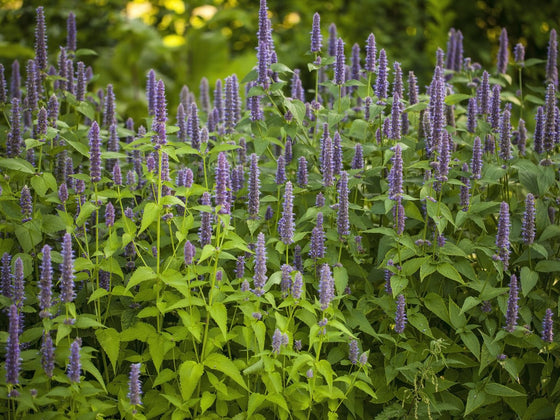
Anise Hyssop
How to grow anise hyssop in Australia from seed: surface sowing, free-draining soil, sowing months for six zones, cutting back, and picking leaves and flowers.
| Position | Full sun or light shade |
|---|---|
| Depth | Surface, or 1 mm |
| Spacing | 30 to 40 cm apart |
| First pick | Leaves from about 10 weeks |
Anise
How to grow anise in Australia: when to sow in all six climate zones, sowing where it grows, spacing and watering, then harvesting and drying seed and leaves.
| Position | Full sun, sheltered from wind |
|---|---|
| Depth | 6 to 10 mm |
| Spacing | 25 to 30 cm apart |
| First pick | Seed 17 to 20 weeks from sowing |