
How to Grow Black Cohosh in Australia
Black cohosh is a woodland perennial grown for tall spikes of creamy white summer flowers. Its seed needs about two weeks of moist warmth, then three months of cold. Sow in autumn or use the fridge, and expect many seedlings only in the second spring. Plant 60 to 90 cm apart in morning sun, afternoon shade and moist, humus-rich soil.
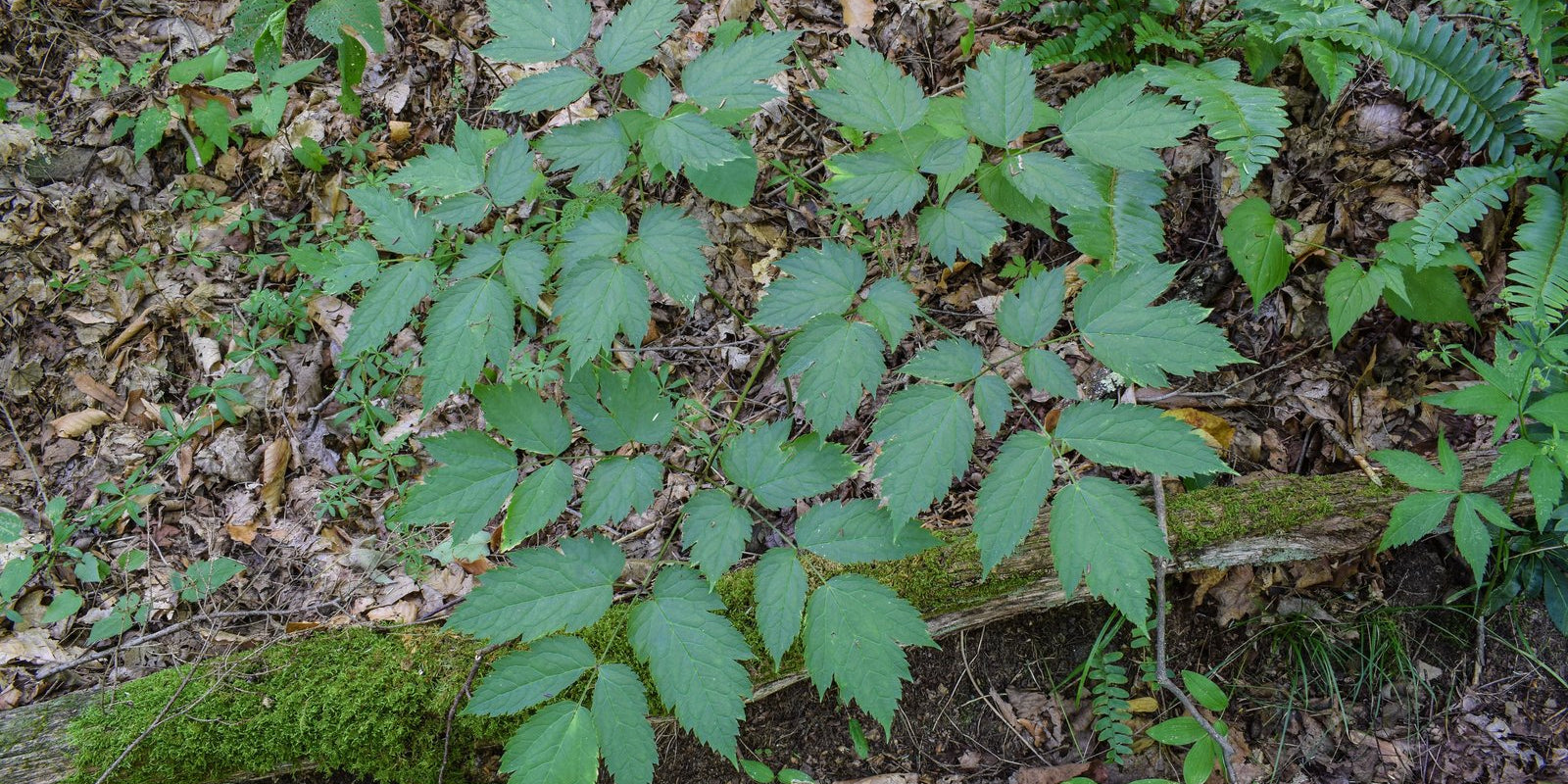
| Sun | Morning sun, afternoon shade |
|---|---|
| Water | Keep evenly moist; never let it dry out |
| Soil | Rich, moist, humus-filled; pH 5.5 to 6.5 |
| Feed | Light; compost mulch, half-strength liquid feed |
| Spacing | 60 to 90 cm apart |
| Depth | About 6 mm |
| Germination | Warm then cold; often the second spring |
| Harvest | Flowers in year three or four |
| Container | Yes; at least 40 L, 40 cm deep |
| Frost | Frost hardy; dies down over winter |
| Use | Shade borders, woodland gardens, dried seedheads |
Black cohosh (Actaea racemosa, family Ranunculaceae) is a long-lived woodland perennial grown for its large, divided leaves and tall wands of creamy white flowers. The store sells it as Black Cohosh seeds, sometimes labelled with its older name, Cimicifuga racemosa. In a cool, moist, part-shaded bed its flower spikes stand 1.2 to 2 m tall. The commonest mistake is expecting quick seedlings: the seed needs a warm spell, then a winter, and often two springs.
Three mistakes that matter
- Chilling the seed without warming it first. In a laboratory trial, seed kept at 4°C for 18 months without a warm spell did not germinate. Give the seed two weeks of moist warmth before the fridge, as Germinating the seed explains.
- Tipping out the pot after one spring. Autumn-sown seed often waits for its second spring before any seedlings show. Keep the pot moist, shaded and labelled for at least two years, because bought seed often takes longer.
- Planting it in hot sun and dry soil. Black cohosh comes from shady North American woods, and its leaves scorch and brown at the edges when the soil dries. Give it morning sun only, afternoon shade and a thick leaf mulch.
When to plant
The seed needs about two weeks of moist warmth at 21 to 25°C, then about three months of cold near 4°C, then warmth again. Sow outdoors in autumn, while the soil still holds the summer's warmth, and let the winter supply the cold. Or run the same cycle in the kitchen and the fridge, and sow the chilled seed into trays in spring. In cool districts, where frost arrives from about April, sow outdoors in March. One batch is usually enough, because each plant lives for many years.
| Zone | Example cities | Sow | Harvest | Notes |
|---|---|---|---|---|
| Tropical | Darwin NT; Cairns, Townsville QLD; Katherine NT | Not recommended | Not recommended | Too warm all year: the seed gets no winter chill, and the plant grows wild only in temperate woods. |
| Subtropical | Brisbane, Sunshine Coast QLD; Coffs Harbour, Lismore NSW | Aug-Sep | Dec-Apr | Marginal and little tried: sow fridge-chilled seed in late winter and grow in cool, moist shade. |
| Arid and semi-arid | Alice Springs NT; Broken Hill, Dubbo NSW; Mildura VIC | Mar-Apr and Aug-Sep | Dec-Apr | Grow only in deep afternoon shade with steady summer water; hot, dry winds scorch the leaves. |
| Temperate | Sydney, Wollongong NSW; Melbourne, Geelong VIC | Mar-May and Aug-Sep | Dec-Apr | Melbourne's colder winters suit it best; in Sydney, sow fridge-chilled seed and give afternoon shade. |
| Mediterranean | Perth, Bunbury WA; Adelaide and the SA coast | Apr-May and Aug-Sep | Dec-Apr | Coastal winters may be too mild to chill seed outdoors, so use the fridge; mulch and water through dry summers. |
| Cool and alpine | Hobart, Launceston TAS; Canberra ACT; Katoomba NSW; Ballarat VIC | Mar-May and Sep-Oct | Jan-Apr | The best zone: sow outdoors in March and let winter frosts do the chilling; warm later sowings indoors first. |
Late in the autumn window, give the seed its warm spell indoors first, so winter does not arrive too soon.
Site, soil and setup
Think of a forest edge, or a shaded gully garden around Katoomba: morning light, cool shade from lunchtime, and soft soil under fallen leaves. Black cohosh copes with more light and more varied soil than many woodland plants, provided the soil never dries out. Too little light is the opposite trap, because in deep shade it may grow leaves and no flowers.
| Get the bed right | What to do |
|---|---|
| Light | Two to three hours of morning sun, then shade; dappled shade under tall trees also suits |
| Shelter | Out of strong wind, which topples the tall flower spikes |
| Soil | Rich, moist, humus-filled loam that still drains after heavy rain |
| pH | Slightly acid, about 5.5 to 6.5; above 7, dig in elemental sulphur at 25 to 50 g per square metre three months ahead |
| Preparation | Dig in a 5 cm layer of compost, or 5 to 10 cm of well-rotted cow manure 4 to 6 weeks before planting |
| Drainage | On clay, or ground that stays wet after rain, build a raised bed |
| Mulch | About 7 cm of leaf mulch or shredded bark, topped up as it breaks down |
| Rotation | None: a permanent perennial for a shade border, kept out of the vegie rotation |
Container growing
A large pot can hold a mature plant on a shaded courtyard or verandah. The store sells only the species, with no compact selection. Allow for a plant up to 2 m tall with a spreading rhizome (a thick underground stem). Use a pot with drainage holes, of at least 40 L, 45 cm across and 40 cm deep, filled with premium potting mix. Potting mix can carry Legionella bacteria, so wet it first, wear gloves and a mask, and wash your hands afterwards.
- Watering: keep the mix evenly moist and check it daily in hot weather, because a dry pot scorches the leaves.
- Feeding: fish and seaweed blend at half strength, about 12 mL per 9 L, fortnightly from spring to late summer.
- Position: morning sun and afternoon shade, sheltered from wind so the spikes do not tip the pot.
- Winter: the leaves die down, so keep the pot barely moist until new shoots appear in spring.
Germinating the seed
Black cohosh seed is shed with a tiny, unfinished embryo that is also dormant. Botanists call this morphophysiological dormancy: the embryo must grow inside the seed before it can germinate. Warmth lets the embryo grow, and the long cold spell that follows lets the root and then the shoot emerge. Seed that misses either stage simply waits for another year.
A North Carolina extension leaflet puts growers' average germination at about 20 per cent. Bought seed often does worse than seed sown fresh. In a laboratory trial, two thirds to three quarters of seeds made a root within about three months. Kitchen results are usually lower. Sow at least five seeds for every plant you want. Keep the packet sealed in the fridge until you start, because seed stored for many months can sink into a deeper dormancy.
| Treatment | How | How long | Temperature | What success looks like |
|---|---|---|---|---|
| Warm, then cold, then warm (best) | Mix the seed with damp vermiculite or sand in a sealed, labelled bag; keep it somewhere warm, then move it to the fridge; sow into trays once roots and seed leaves show | 2 weeks warm, then 3 to 4 months cold | 21 to 25°C, then about 4°C, then trays at about 25°C | White root tips in the fridge bag, not during the warm weeks, then seed leaves |
| Autumn sowing outdoors | Sow in autumn in a deep pot or shaded seedbed, cover with leaf mulch and keep it moist through winter and the next year | Some seedlings the first spring; most the second | Warm autumn soil, then outdoor winter cold | Seedlings pushing up through the mulch in spring |
| Sort by soaking | Soak the seed in water for two hours before either method and discard any that float | 2 hours | Room temperature | Firm seeds that sink; floaters were empty or dead in the trial |
The same laboratory found that gibberellic acid, a hormone some nurseries use on hard seed, did not speed germination of this species. For seed treatments in general, see soaking, scarification and cold stratification.
When nothing comes up
- No warm spell. Seed that went straight into the fridge stays dormant. Give it two weeks of moist warmth, then start the cold stage again.
- Too short a winter. Three months of cold is the working minimum. Leave seed without roots in the fridge another month before sowing.
- Bag dried out or went mouldy. Keep the vermiculite damp, not wet, and check the bag every week. Remove any soft or mouldy seeds.
- Old or warm-stored seed. Long storage, especially warm, deepens dormancy. Sow seed as soon as it arrives and expect a second spring.
- Given up too soon. Many seeds sit out their first spring; see Three mistakes that matter.
Sowing Seeds
Start black cohosh in deep trays or a shaded seedbed. Use seed that has had its warm and cold spells, or sow in autumn and let the weather supply them.
Starting in trays
- Fill deep cells or small pots with seed raising mix, firm it lightly and water it well.
- Sow one sprouted seed per cell, about 6 mm deep, and cover it with mix.
- Stand the tray in bright shade at about 25°C, and keep it moist.
- Pot seedlings on singly once they show a second set of true leaves.
- Grow them on in pots in a shaded spot for one or two years.
Sowing in a seedbed
Choose a shaded, weed-free patch of fine, moist soil. Sow the seed about 6 mm deep and 4 to 5 cm apart. Cover the bed with about 2.5 cm of leaf mulch and keep it moist through two winters. Mark the spot, because nothing may show for 18 months.
Planting out
- Plant out in autumn or early spring, while the young plants are dormant or just stirring.
- Harden off first (stand the pots outdoors a little longer each day for a week, so they adjust to sun and wind).
- Space plants 60 to 90 cm apart, the crown at the depth it grew in the pot.
- Water in with seaweed solution at half strength, 15 mL per 9 L.
- Mulch with leaf litter or shredded bark, kept just clear of the crown.
Care by growth stage
Steady moisture and afternoon shade decide how well black cohosh grows. It is slow to settle, and a plant raised from seed usually flowers in its third or fourth year. Feed gently: rich compost and mulch do most of the work, and over-feeding gives soft, floppy growth.
| Stage | Water | Feed | Watch for |
|---|---|---|---|
| Seedling, first months in the tray | Keep the mix just moist; water from below | Seaweed solution at half strength, 15 mL per 9 L, fortnightly from the first true leaves | Damping off; slugs and snails; drying out |
| Young plant in a pot, years one and two | Water whenever the top 2 cm of mix is dry | Fish and seaweed blend at half strength, about 12 mL per 9 L, fortnightly in spring and summer | Cutworms at night; scorched leaf edges in heat |
| Establishing in the bed, first year after planting out | Deep soak once or twice a week in dry weather | A handful of worm castings in each planting hole | Snails on new shoots; mulch thinning |
| Established plant, each spring | Keep the soil moist through spring and summer | A 5 cm layer of compost around the clump as growth starts, kept clear of the crown | Leaf spots in crowded, still air |
| Flowering and seed, summer to autumn | Keep watering in dry spells right up to seed harvest | None | Spikes leaning towards the light; pods drying and rattling |
| Winter dormancy | Little or none; rain is usually enough | None | Waterlogged soil around the rhizome on clay |
If growth stalls in poor soil, a light application of all-purpose controlled release granular (NPK around 14-5-10) scratched in each spring can help.
Cutting Back
Black cohosh needs little pruning: a tidy-up after flowering and again when it dies down in autumn. Leave some spikes standing if you want seed or the dry seedheads for arrangements.
- Cut faded flower spikes back to the leaves if you do not want seed.
- Pick off spotted or yellowing leaves as they appear, and bin them rather than composting them.
- Thin crowded clumps so air moves freely between the leaves.
- Cut all stems to the ground once the leaves yellow and collapse in late autumn.
- Top up the mulch over the dormant crown for winter.
- Divide an old clump in autumn or early spring if you want more plants.
See dividing perennials for lifting and splitting a clump, which gives flowering-sized plants much faster than seed.
Companion planting
Pair black cohosh with plants of cool, moist, part-shaded ground, its spikes at the back.
Grows well with
- Aquilegia, which flowers in spring in the same dappled shade, before the cohosh spikes rise.
- Foxgloves, another tall spire for part shade and moist soil.
- Lady's mantle, a low, soft edging that covers bare soil under the tall leaves.
Keep apart
- Lavender and other sun lovers that want dry soil, the opposite of what black cohosh needs.
- Mint, whose running roots compete with young clumps for moisture.
Harvesting Flowers and Seed
Enjoy the flowers on the plant from early summer. Collect seed once the pods turn dark brown, split at the tips and rattle when shaken. The flowers have an unpleasant smell, so they suit the garden better than the vase.
- Expect each spike to flower for two to three weeks.
- For seed, cut a spike once most pods are brown and dry.
- Shake the spike over a paper bag to collect the loose seed.
- Sow fresh seed straight away outdoors, or start its warm spell indoors.
- Cut dry seedheads with their pods for dried arrangements.
- Leave the roots and rhizomes in the ground.
Store any seed you cannot sow in a paper envelope inside a sealed, labelled jar in the fridge, and sow it within a few months. The roots and rhizomes contain triterpene glycosides and are linked to rare liver injury, which Safety explains.
Traditional use and history
Black cohosh is native from south-eastern Canada to the north-central and eastern United States, where it grows in rich woods. Its common name comes from an Algonquin word meaning rough, after the look of the knotted rhizome. Bugbane and the old genus name, Cimicifuga, refer to the plant's smell, said to drive insects away.
| Tradition | Part | What the tradition recorded |
|---|---|---|
| Cherokee | Root | Given for rheumatic pains, coughs, colds and fatigue |
| Iroquois | Roots and leaves | Roots used in a steam bath for rheumatism; crushed leaves laid on babies' sore backs |
| Delaware | Root | Root recorded among Delaware plant medicines |
| Mi'kmaq and Penobscot | Root | Used for kidney trouble |
| Physicians of the 1800s | Root | Prescribed for fever, menstrual cramps and arthritis |
| Germany | Root | Used in herbal medicine from the late 1800s |
Black snakeroot set it apart from another snakeroot, and rattleweed and rattle root come from the seeds rattling in their dry pods. Macrotys and fairy candles are two more. The herbalist Maud Grieve recorded that seed was sent to Europe every year. In England the plant thrived in moist, shady borders but did not ripen seed.
Most black cohosh sold for supplements has come from plants dug in the wild, and many large, easily reached stands are already gone. It is listed as endangered in Illinois and Massachusetts, and United Plant Savers lists it as at risk. In its home woods it also feeds the caterpillars of the Appalachian azure butterfly, which eat its flowers.
Safety
Happy Valley Seeds sells black cohosh as seed for growing, as an ornamental. Nothing here is advice to eat or take any part of the plant. Anyone considering using a plant should first seek advice from a qualified health practitioner.
| Topic | What the sources say |
|---|---|
| Toxicity | LiverTox, the United States liver injury database, links products labelled black cohosh, made from the roots and rhizomes, to more than fifty cases of liver injury. Some ended in transplant or death. Its likelihood score is A: products sold as black cohosh are a well established cause, though the component responsible is unclear. Some implicated products held Chinese Actaea species instead. The roots contain triterpene glycosides. Australian medicines containing black cohosh must carry a liver warning. It tells anyone who develops yellowing of the skin or eyes, dark urine or stomach pain to stop using the product and see a doctor. |
| Pregnancy and breastfeeding | The United States National Institutes of Health says it may not be safe in pregnancy or while breastfeeding. A United States cancer centre advises pregnant women to avoid it. The lactation database finds no safety data for nursing mothers or infants. |
| Interactions with medicines | The National Institutes of Health knows of no clinically relevant interactions but notes they have not been studied systematically. The cancer centre lists possible interactions with tamoxifen, the chemotherapy drugs doxorubicin and docetaxel, simvastatin and other medicines processed by the liver enzyme CYP3A4. Anyone with a liver disorder, or taking medicines, should ask a doctor or pharmacist. |
| Skin and allergy | Rash and, rarely, allergic reactions are reported in people who took it. The sources are silent on skin reactions from handling the plant; gloves suit sensitive skin. |
| Pets and livestock | The safety sources and the ASPCA's plant lists for dogs, cats and horses are silent on black cohosh. A close relative, white baneberry (Actaea pachypoda), is poisonous in all parts and is listed as a problem for dogs, cats and horses. Keep pets and stock from chewing it, and call your vet if one does. |
| Legal status | Permitted across the whole of Western Australia on the Department of Primary Industries and Regional Development's Western Australian Organism List. Not on the declared or prohibited weed lists of New South Wales, Victoria, Queensland, South Australia, Tasmania, the Northern Territory or the ACT. |
Two plants are easily confused with it. Blue cohosh (Caulophyllum thalictroides) is a different plant with serious risks of its own. Baneberries, black cohosh's close relatives, carry poisonous berries, while black cohosh carries dry pods. Call triple zero (000) if someone collapses, stops breathing or has a seizure.
Common problems
No seedlings. Usually a missed warm spell, too short a winter, or too little patience; see Germinating the seed and its list, When nothing comes up.
Leaves but no flowers. Normal for a young plant, as Care by growth stage explains. In an older plant, deep shade is the usual cause, so give more morning sun.
Brown, crisp leaf edges. The soil dried out or the plant caught hot afternoon sun, the third of Three mistakes that matter.
Spikes leaning over. Heavy shade bends the spikes towards the light and wind pushes them over; see the Light and Shelter rows in Site, soil and setup.
Tall, pale seedlings. Too little light in a dim spot stretches them, so move trays to bright shade. Read more
Pests and diseases
Black cohosh has no serious pest or disease problems of its own, so most trouble comes at the seedling stage.
Common garden snail (Cornu aspersum) and grey field slug (Deroceras reticulatum). Both graze seedlings and new spring shoots at night, and a leaf-mulched shade bed suits them well. Hand-pick them after dark, or scatter an iron-based snail bait thinly as the label directs. Read more
Damping off (Pythium species and Rhizoctonia solani). Young seedlings rot at soil level and collapse, most often in wet, poorly drained mix. Use fresh seed raising mix and clean pots, and water only when the surface starts to dry. Read more
Cutworms (Agrotis species). These moth larvae, the Bogong moth (Agrotis infusa) among them, cut seedlings off at night and hide in the soil by day. Scratch away the surface soil around damaged plants to find and remove them. Read more
European rabbit (Oryctolagus cuniculus). In rural gardens rabbits graze seedlings and young shoots, leaving clean cuts at about 45 degrees. Fence the bed while the plants are young.
Prevention first
- Raise seedlings in fresh mix and clean pots, clear of hose splash.
- Space plants so air moves between the leaves, and never crowd them.
- Check seedlings and new shoots with a torch after rain.
- Clear boards and loose pots from the shade bed, where snails and cutworms hide.
Tips
- Plant several together once you have them, because black cohosh looks best in a group.
- Plant it in front of a dark hedge or fence, where the white spikes stand out on a summer evening.
- Site it away from a window or seat, because the flowers smell unpleasant up close.
Questions
Why have my black cohosh seeds not come up?
Usually the seed missed its warm spell, had too short a winter, or has not had enough time. It needs about two weeks of moist warmth, then three months of cold. Many seeds wait for their second spring, so keep sown pots moist, shaded and labelled for at least two years, longer for bought seed.
How long does black cohosh take to flower from seed?
Usually three or four years. Seedlings grow slowly and make only leaves at first. Dividing an established clump gives flowering-sized plants much sooner.
Can I grow black cohosh in Queensland or other warm areas?
It grows best in cool and temperate gardens. On the subtropical coast it is marginal, and it is not recommended in the tropics, where winters are too warm. Cool highland towns such as Stanthorpe suit it far better than Brisbane.
Is black cohosh safe around dogs and cats?
The safety sources and the ASPCA's plant lists are silent on black cohosh. Its close relative, white baneberry, is poisonous in all parts and is listed as a problem for dogs, cats and horses. Keep pets from chewing it, and call your vet if one does.
Can I grow black cohosh in Western Australia?
Yes. Western Australia's organism list shows it as permitted across the whole state. No other state or territory lists it as a declared or prohibited weed.
Is black cohosh the same as blue cohosh?
No. Blue cohosh, Caulophyllum thalictroides, belongs to a different family and carries serious risks of its own. Black cohosh is Actaea racemosa, sometimes labelled Cimicifuga racemosa. Check the botanical name on any seed or plant you buy.
More herbs to sow in October
All herbs
Agrimony
How to grow agrimony in Australia from seed: chilling the burrs, sowing months for six climate zones, sun and soil, cutting back, harvest, history and safety.
| Position | Full sun, light shade tolerated |
|---|---|
| Depth | 5 mm |
| Spacing | 30 cm apart |
| First pick | Summer; 12 to 18 weeks from spring sowing |

Angelica
How to grow angelica in Australia from seed: fresh or chilled seed sown on the surface, part shade, months for six climate zones, stems, history and safety.
| Position | Part shade, morning sun |
|---|---|
| Depth | Surface; press in, uncovered |
| Spacing | 50 to 90 cm |
| First pick | Stems at about 18 months |
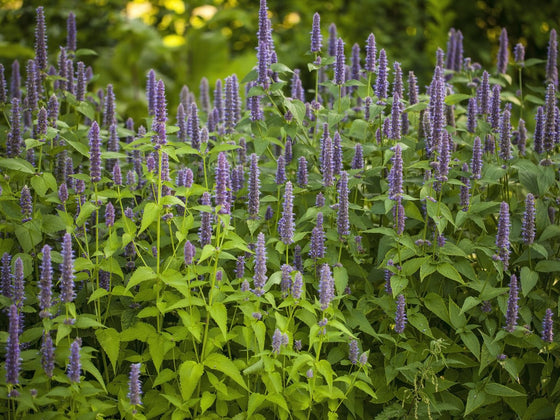
Anise Hyssop
How to grow anise hyssop in Australia from seed: surface sowing, free-draining soil, sowing months for six zones, cutting back, and picking leaves and flowers.
| Position | Full sun or light shade |
|---|---|
| Depth | Surface, or 1 mm |
| Spacing | 30 to 40 cm apart |
| First pick | Leaves from about 10 weeks |
Anise
How to grow anise in Australia: when to sow in all six climate zones, sowing where it grows, spacing and watering, then harvesting and drying seed and leaves.
| Position | Full sun, sheltered from wind |
|---|---|
| Depth | 6 to 10 mm |
| Spacing | 25 to 30 cm apart |
| First pick | Seed 17 to 20 weeks from sowing |