
How to Grow Summer Savory in Australia
Summer savory is a frost-tender annual herb grown for its peppery leaves. Sow after frost into soil of 18°C to 30°C. Press the tiny seed onto the surface and cover it with 3 mm at most, because it needs light. Seedlings appear in 7 to 21 days. Thin to 20 to 25 cm, grow it lean in full sun, and pick from 6 to 10 weeks.
| Sun | Full sun, 6 hours or more |
|---|---|
| Water | Moist until established, then drier between waterings |
| Soil | Light, free-draining, pH 6.7 to 7.3 |
| Feed | Light; half-strength liquid feeds, fortnightly at most |
| Spacing | 20 to 25 cm |
| Depth | Surface, or 3 mm at most |
| Germination | 7 to 21 days in 18 to 30°C soil |
| Harvest | 6 to 10 weeks from sowing |
| Container | Yes, at least 10 L and 30 cm wide |
| Frost | Frost-tender; the first frost kills it |
| Use | Leaves and sprigs, fresh or dried, for cooking |
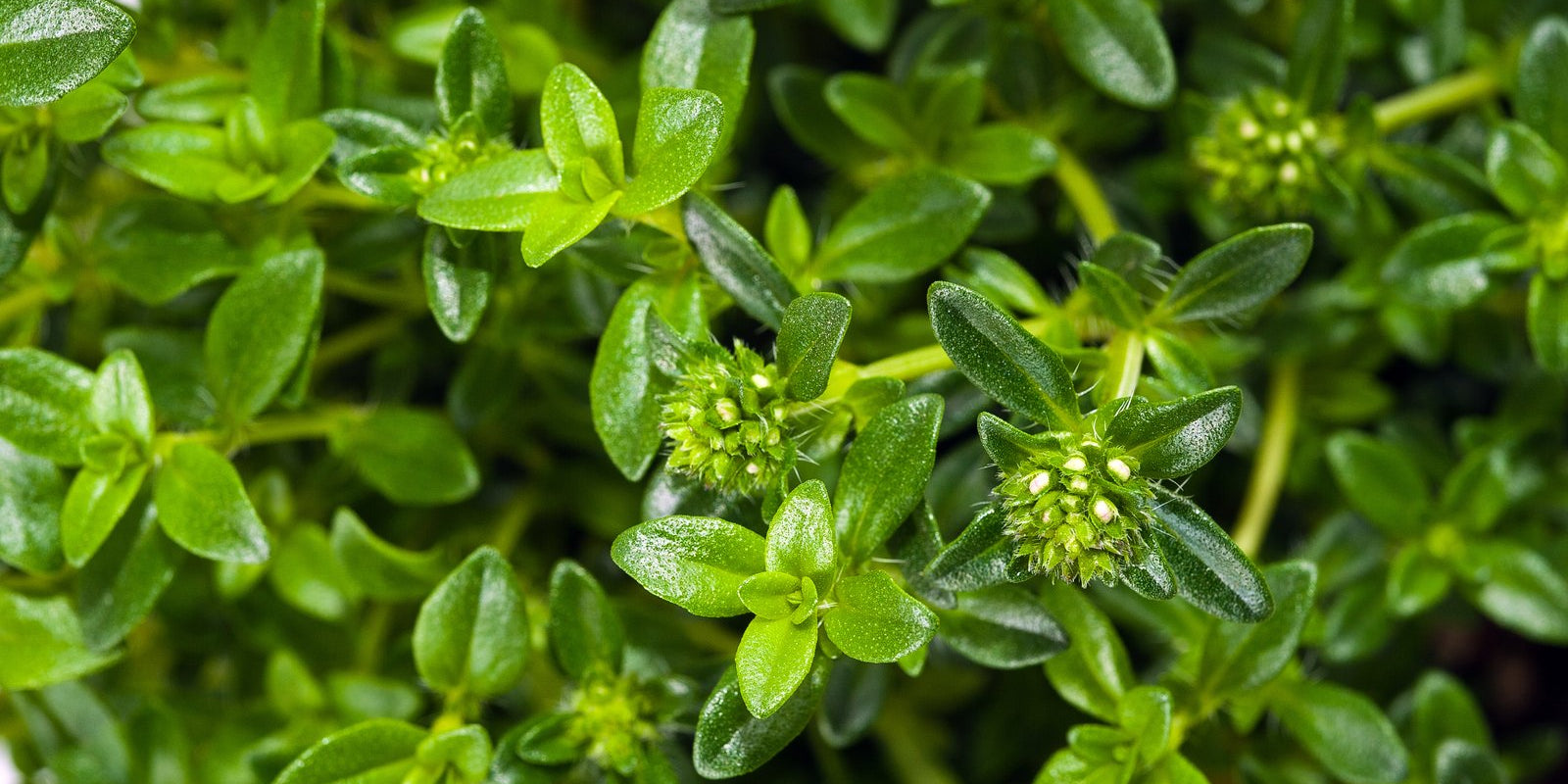
Summer savory (Satureja hortensis) is a bushy, fast-growing annual of the mint family, Lamiaceae, grown for its small, peppery leaves. Its old name, bean herb, tells you where it belongs: in beans, peas and lentils, and in slow-cooked meat, fish and egg dishes. It thrives on warm sun and lean, free-draining soil, and it dies at the first frost.
Three mistakes that matter
- Sowing too deep. Light triggers germination, so savory seed pushed into the soil like a bean seldom appears. Scatter it on top and give it a bare dusting of fine soil, following Sowing Seeds.
- Starting before the soil warms. Seed sown into cold spring ground sits dormant or rots, and a late frost kills young plants outright. Hold off until nights are frost-free, as When to plant explains, or raise seedlings under cover.
- Overwatering and overfeeding. Savory given rich food and constant water grows soft, weak and leggy, and waterlogged roots can rot. Keep it lean, and once plants have settled in, let the soil dry a little between drinks.
When to plant
Savory seed germinates in soil between 18°C and 30°C. Sow outdoors after the last frost, or start trays under cover roughly six weeks earlier. Flowering dulls the leaves, so a pinch of seed sown every month through the window keeps young plants coming.
| Zone | Example cities | Sow | Harvest | Notes |
|---|---|---|---|---|
| Tropical | Darwin, Katherine NT; Cairns, Townsville QLD; Broome WA | May-Jul | Jul-Oct | Sow in the dry season. Wet-season humidity and soggy soil rot plants, so finish picking before the rains. |
| Subtropical | Brisbane, Gold Coast, Sunshine Coast QLD; Coffs Harbour, Lismore NSW | Aug-Oct | Oct-Feb | Sow from August as nights warm. Space plants well so air moves through them in humid summer weather. |
| Arid and semi-arid | Alice Springs NT; Broken Hill, Dubbo NSW; Mildura VIC; Kalgoorlie WA | Aug | Oct-Jan | Sow trays under cover in August and plant out in September, after the last inland frost. Mulch against summer heat. |
| Temperate | Sydney, Newcastle, Wollongong NSW; Melbourne, Geelong VIC | Sep-Nov | Nov-Mar | Sydney sows from September. In Melbourne, start seed under cover and plant out around Melbourne Cup weekend. |
| Mediterranean | Perth, Bunbury WA; Adelaide and the SA coast | Sep-Nov | Nov-Mar | The long, dry summer suits savory. Water steadily until plants establish, then let the soil dry between waterings. |
| Cool and alpine | Hobart, Launceston TAS; Canberra ACT; Ballarat VIC; Orange NSW | Sep-Dec | Dec-Apr | Start seed under cover in September and plant out after the last frost. Dry a stock before autumn frosts. |
Late in any window, sow only where plants still have 6 to 10 weeks to crop before autumn frost. In Canberra and Hobart, frost returns from about April. In Darwin and Cairns, the deadline is the wet season, from about November, when humidity and saturated soil encourage rot.
Site, soil and setup
Wild summer savory grows on dry, stony hillsides between south-eastern Europe and western Asia, and garden plants want much the same. Shade, damp ground and heavy clay are what hold it back.
| Factor | Setup |
|---|---|
| Sun | Full sun, 6 hours a day or more |
| Soil | Light, loose sandy or loamy soil; dig in a 5 cm layer of compost before sowing |
| pH | 6.7 to 7.3, close to neutral; where a soil test reads below 6.7, lift it with garden lime at 100 to 200 g per square metre, 4 weeks before sowing |
| Drainage | Fast; on clay, build a mound or raised bed, or grow in a pot |
| At planting | One handful of worm castings per planting hole; skip fresh manure |
| Rotation | Choose a fresh bed if earlier plants rotted at the stem base, because the soil fungi responsible linger |
Container growing
A pot of at least 10 L, 30 cm or more across and filled with quality potting mix, grows a good clump. The compact 'Midget' suits a pot, a window box or a sunny balcony rail. Sow directly into the pot and pull out the weakest seedlings as they come up.
- Water: give a drink when the top few centimetres of mix feel dry, and empty any saucer so the pot never stands in water.
- Feed: fish and seaweed blend at half strength, about 12 mL per 9 L, once a fortnight during picking.
Sowing Seeds
The store sells one variety, and how it compares with its relatives decides the spacing.
| Savory | Plant | What it changes |
|---|---|---|
| Summer savory 'Midget' | Annual, compact, about 25 cm tall, bronze-tinged leaves | Space 20 to 25 cm apart; suits pots and edging; described as more intensely flavoured than common summer savory |
| Common summer savory | Annual, looser and taller, about 30 to 45 cm | Space about 25 cm apart; fast growth can leave it top-heavy, so keep cutting it |
| Winter savory (Satureja montana) | Perennial small woody shrub | Slightly bitterer; planted once and trimmed after flowering, with a guide of its own |
Sowing direct
- Rake the bed to a fine, crumbly surface and water it the day before, so the seed stays put.
- Scatter thinly, firm the seed onto the surface and sift over fine soil no deeper than 3 mm. Sowing tiny seeds shows the method.
- Mist the bed whenever the surface starts to dry; seedlings usually show in 7 to 21 days.
- Once true leaves form, thin to 20 to 25 cm apart and spread a light mulch around them.
Starting under cover
- Sow onto seed raising mix in punnets or cells, at the time When to plant gives, and firm the seed in without covering it.
- Give the tray warmth and strong light, a seedling heat mat if nights are cold, and mist to keep the mix moist.
- Before planting out, harden off the seedlings (get them used to sun and wind a little more each day), following hardening off seedlings.
- Set them out at the same spacing, at 5 to 10 cm tall, once frost is finished for the season.
Care by growth stage
Savory needs regular water only while it establishes.
| Stage | Water | Feed | Watch for |
|---|---|---|---|
| Germination, weeks 1 to 3 | Mist so the surface never dries | No feed before true leaves appear | Damping off (a rot that makes seedlings collapse at soil level) in wet, crowded trays |
| Seedlings, weeks 3 to 6 | Moist but not wet | Seaweed solution at half strength, 15 mL per 9 L, fortnightly | Aphids on the soft tips; overcrowding if thinning is late |
| Leafy growth, weeks 6 to 10 | Soak the bed once the top 5 cm is dry | Fish and seaweed blend at half strength, about 12 mL per 9 L, fortnightly, and only when leaves look pale | Soft, leggy stems from too much water or feed |
| Picking, from weeks 6 to 10 | Carry on the same watering while you harvest | One half-strength blend feed after a hard cut, no more than fortnightly | Flower buds; wilting over wet soil |
| Flowering, summer to autumn | Water as before for as long as you pick | No feed | Leaves losing flavour as flowers open; fine pale speckling on the leaves (two-spotted mite); frost ends the crop |
In well-prepared soil, savory often needs no extra feed at all. Where growth stalls in poor soil, a light dose of all-purpose controlled release granular (NPK around 14-5-10) scratched into the surface can help.
Pinching and Harvesting
Each cut prompts new shoots, and cutting back as buds appear can bring on a fresh flush of leaves.
- First pinch: nip out the tip of each young plant once it has a few pairs of leaves, so it branches from low down.
- Little and often: harvest whole stem tips rather than single leaves, and leave growth on every stem.
- Cut position: just above a pair of lower leaves, where the next shoots break.
- For seed: let a plant or two bloom, as Tips explains.
Companion planting
A short herb that wants sun from every side belongs at the open front of a bed, not behind taller crops.
Grows well with
- Beans, climbing or dwarf, whose sunny edge suits a low herb.
- Onions, slim plants that leave savory its light.
Keep apart
- Pumpkins and zucchini, whose big, spreading leaves smother a small herb.
- Sweet corn on the sunny side, which throws shade and blocks the airflow savory needs.
Harvesting Sprigs
Picking starts 6 to 10 weeks after sowing, once plants have branched and the stems are long enough to cut.
- Snip the outer stem tips with scissors, as Pinching and Harvesting describes.
- For drying, cut stems just before the buds open, when flavour is at its peak.
- For a single big harvest, take the whole plant at the bud stage.
- Ahead of the first frost, cut every plant left and hang it to dry.
Keep fresh sprigs in a perforated plastic bag in the fridge, and dry what you cannot use soon. To dry, hang bunches somewhere warm, dark and airy, or lay stripped leaves on a screen in cool shade. The leaves are ready when they are brittle but not yet crumbling. Seal them in a clear glass jar, and if condensation forms inside, dry them a little longer.
In the kitchen, savory holds its flavour through long, slow cooking.
Common problems
No seedlings. Emergence can take three weeks, so give it time before resowing, and check depth and soil warmth against Three mistakes that matter. If seedlings came up and then vanished overnight, see Slugs and snails under Pests and diseases. Read more
Tall, pale seedlings. Trays kept in poor light grow stretched, floppy seedlings, so move them into strong light at once. Read more
Plants flop over. Quick growth can leave taller plants top-heavy, most often in rich, wet soil, and steady picking keeps them compact.
Leaves lose flavour in midsummer. Leaves taste weaker once flowers form, which is why When to plant suggests a small sowing every month.
Pests and diseases
Savory has few serious pests, and both rots below start in soil or mix that stays wet.
Aphids, including green peach aphid (Myzus persicae). Colonies gather on new shoots and leaf undersides, stunting seedlings and leaving sticky honeydew. Squash small colonies or blast them off with a strong jet of water. Otherwise, spray an insecticidal soap under the leaves, choosing one whose label lists vegetables, and follow that label. Read more
Slugs and snails. Surface-sown seedlings can vanish overnight, often after rain, leaving silvery trails on the soil. Search by torchlight after dark and pick them off, and ring pots with copper tape. Read more
Damping off (Pythium and Rhizoctonia species). Seedlings rot where the stem meets the mix and topple, mostly in wet trays sown thickly. Sow sparingly into fresh seed raising mix and water with a light hand. Read more
Root and stem rot (soil-borne fungi such as Rhizoctonia). Leaves yellow and droop while the stem base goes soft and brown, in soil that stays wet. Lift and bin affected plants, and replant somewhere better drained.
Prevention first
- Space plants as Sowing Seeds sets out, in full sun, so foliage dries fast.
- Water at soil level in the early morning, keeping leaves dry.
- Hold mulch back a few centimetres from the stems.
- Lift or drain soggy beds, using the advice on waterlogged soil.
Tips
- Let a plant or two flower late in the season, when bees and other beneficial insects crowd the small blooms.
- Save seed from that plant. As it dies back in late summer, dry the seed heads in a paper bag and shake the seed out for spring.
- For leaves through winter, grow the perennial winter savory as well; it stays in the ground for years and is grown differently.
Questions
What is the difference between summer savory and winter savory?
Summer savory (Satureja hortensis) is an annual that grows from seed each spring and dies at the first frost. Winter savory (Satureja montana) is a perennial, small woody shrub with a slightly bitterer flavour. Both season beans, meat and stews, but they are grown differently.
When should I plant summer savory in Australia?
Sow once frosts are over and the soil has warmed. Subtropical gardens sow from August to October, and arid gardens in August, under cover. Temperate Sydney and Melbourne, and Mediterranean Perth and Adelaide, sow from September to November. Cool areas sow from September to December, starting indoors. In the tropics, sow in the dry season from May to July.
Why is my summer savory seed not germinating?
Usually it is buried too deep, the soil is too cold, or the surface dried out. The seed needs light, so press it onto the surface and cover with 3 mm of soil at most. Sow into soil of 18°C to 30°C, keep it damp, and allow up to three weeks.
Can you grow summer savory in a pot?
Yes. Use a pot that holds at least 10 L and is at least 30 cm across, filled with quality potting mix. Give it full sun and water when the top few centimetres are dry. The compact 'Midget' suits pots well.
Does summer savory come back every year?
No. It is an annual that flowers in summer, sets seed and dies, and frost kills it sooner. Sow again each spring, or save seed from a plant left to flower. Winter savory is the perennial choice.
How do I dry summer savory?
Cut stems just before the flower buds open, when the flavour peaks. Hang them in bunches in a warm, dark, airy place, or strip the leaves onto a screen in a cool, shady spot. Store the dried leaves in an airtight jar.
Grow it
More herbs to sow in September
All herbs
Agrimony
How to grow agrimony in Australia from seed: chilling the burrs, sowing months for six climate zones, sun and soil, cutting back, harvest, history and safety.
| Position | Full sun, light shade tolerated |
|---|---|
| Depth | 5 mm |
| Spacing | 30 cm apart |
| First pick | Summer; 12 to 18 weeks from spring sowing |

Angelica
How to grow angelica in Australia from seed: fresh or chilled seed sown on the surface, part shade, months for six climate zones, stems, history and safety.
| Position | Part shade, morning sun |
|---|---|
| Depth | Surface; press in, uncovered |
| Spacing | 50 to 90 cm |
| First pick | Stems at about 18 months |
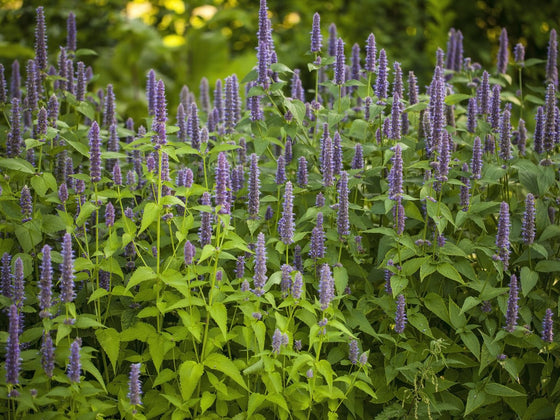
Anise Hyssop
How to grow anise hyssop in Australia from seed: surface sowing, free-draining soil, sowing months for six zones, cutting back, and picking leaves and flowers.
| Position | Full sun or light shade |
|---|---|
| Depth | Surface, or 1 mm |
| Spacing | 30 to 40 cm apart |
| First pick | Leaves from about 10 weeks |
Anise
How to grow anise in Australia: when to sow in all six climate zones, sowing where it grows, spacing and watering, then harvesting and drying seed and leaves.
| Position | Full sun, sheltered from wind |
|---|---|
| Depth | 6 to 10 mm |
| Spacing | 25 to 30 cm apart |
| First pick | Seed 17 to 20 weeks from sowing |