
How to Grow Strawberry Spinach in Australia
Strawberry spinach is an annual goosefoot grown for spinach-like leaves and red, berry-like fruit clusters along its stems. Sow 3 mm deep once frosts are over and the soil holds 18°C to 22°C; seedlings appear in 7 to 14 days. Space plants 30 to 50 cm apart in sun or part shade. Pick leaves from about 7 weeks, and fruit as it turns red.
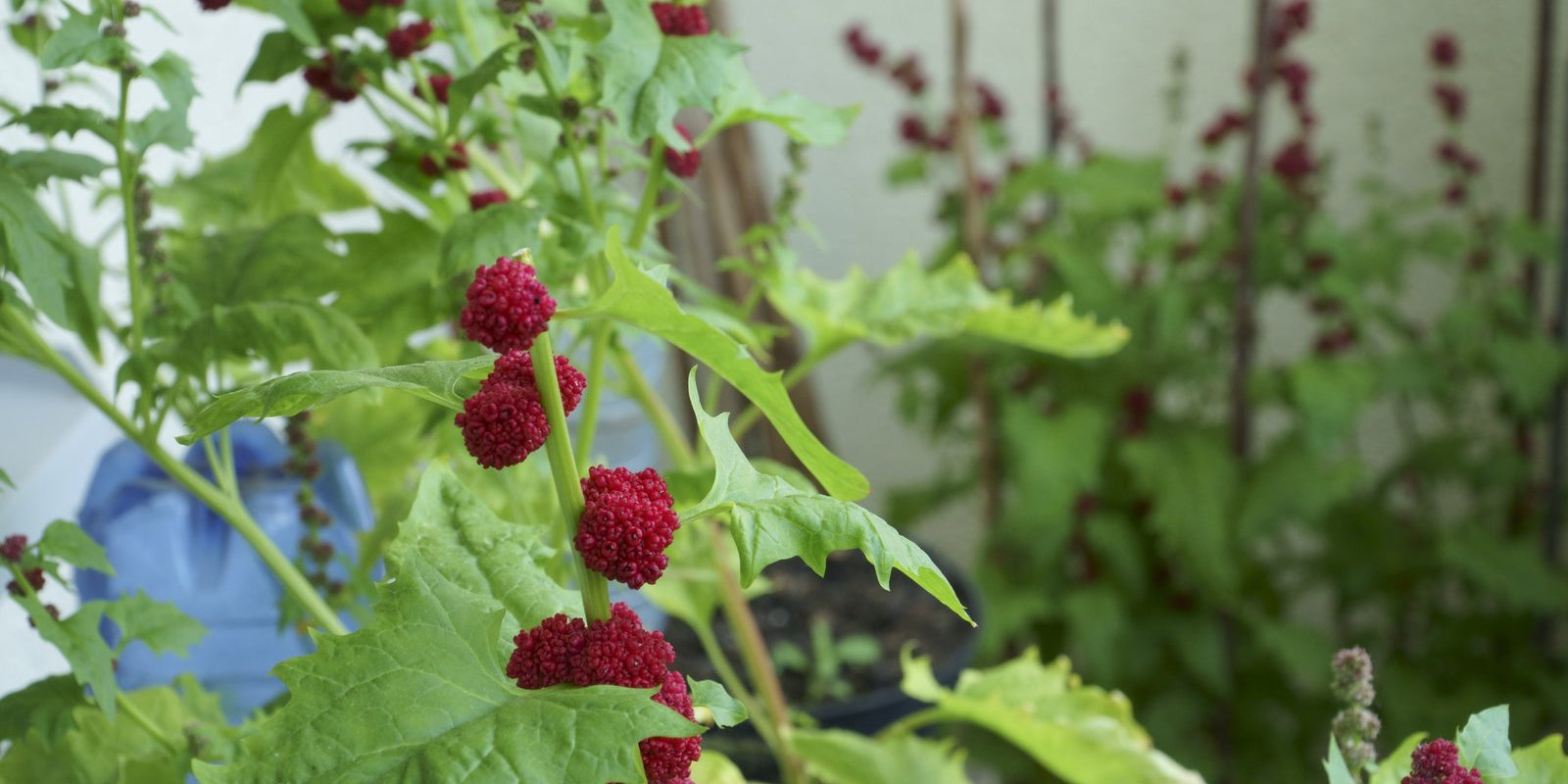
| Sun | Full sun or part shade |
|---|---|
| Water | Deeply when soil is dry 5 cm down |
| Soil | Well-drained, moderately fertile, plenty of compost |
| Feed | Light; half strength in pots |
| Spacing | 30 to 50 cm apart |
| Depth | 3 mm |
| Germination | 7 to 14 days in 18 to 22°C soil |
| Harvest | Leaves from about 7 weeks |
| Container | Yes, 20 L pot, about 35 cm across |
| Frost | Mature plants survive light frost; protect seedlings |
| Use | Leaves cooked like spinach; fruit in salads |
Strawberry spinach (Blitum virgatum, also listed as Chenopodium foliosum) is an annual of the amaranth family, Amaranthaceae. It is grown for its small, toothed, spinach-like leaves and the red, berry-like clusters that form all along its stems. It is also called leafy goosefoot or, like its relative Blitum capitatum, strawberry blite, but it is neither true spinach nor leaf amaranth. One patch makes a pretty edible border, and the thing most gardeners get wrong is letting every plant drop its seed.
Three mistakes that matter
- Letting every plant set seed. Strawberry spinach self-seeds freely, and a single season can leave seedlings right through the bed. Cut most stems before the seed drops, or grow it in a pot.
- Planting out before the frost is over. Mature plants survive a light frost, but young seedlings need protection until they establish. Keep seedlings under cover until frosts have passed, as When to plant explains.
- Crowding the plants. Tightly packed plants stay damp, and downy mildew can spread through them. Thin or plant out at the spacing Sowing Seeds gives, and water the soil rather than the leaves.
When to plant
Sow once frosts are over and the soil holds 18°C to 22°C, where seed usually comes up in 7 to 14 days. Most zones have two windows, spring and late summer to early autumn. One sowing a season is usually enough, because plants keep producing leaves for weeks.
| Zone | Example cities | Sow | Harvest | Notes |
|---|---|---|---|---|
| Tropical | Darwin, Katherine NT; Cairns, Townsville QLD; Broome WA | Mar-Jul | May-Oct | Sow for the dry season, the main growing window, and finish before the wet season build-up. |
| Subtropical | Brisbane, Gold Coast, Bundaberg QLD; Coffs Harbour, Lismore NSW | Feb-Apr and Aug-Oct | Apr-Jul and Oct-Jan | Sow in late summer to autumn and again in spring; mild winters keep plants cropping. |
| Arid and semi-arid | Alice Springs NT; Broken Hill, Dubbo NSW; Mildura VIC; Port Augusta SA | Feb-Mar and Sep-Nov | Apr-Jun and Nov-Feb | Sow after inland frosts in spring, or early autumn. Mulch and shade young plants from hot wind. |
| Temperate | Sydney, Newcastle, Wollongong NSW; Melbourne, Geelong VIC | Feb-Mar and Sep-Dec | Apr-Jun and Nov-Mar | Sydney sowings can start in September; Melbourne is the cold end of the zone, so wait until frosts are over. |
| Mediterranean | Perth, Bunbury WA; Adelaide and the SA coast | Feb-Mar and Sep-Nov | Apr-Jun and Nov-Feb | Seed cannot be sent to Western Australia. Around Adelaide, sow in spring or early autumn and water through dry spells. |
| Cool and alpine | Hobart, Launceston TAS; Canberra ACT; Ballarat VIC; Orange NSW | Oct-Nov | Dec-Apr | Start seed under cover in September and plant out after the last frost, often around Melbourne Cup weekend. |
At the early edge of a window, start seed in trays under cover. At the late edge, sow promptly so plants establish before winter frost or summer heat.
Site, soil and setup
Give it an open, sunny spot: it tolerates part shade but grows weak in heavy shade.
| Factor | Setup |
|---|---|
| Light | Full sun or part shade, with at least 3 hours of direct sun a day |
| Soil | Well-drained, moderately fertile soil with plenty of organic matter; light sandy, loam and clay soils all suit it if they do not waterlog |
| pH | Mildly acid to mildly alkaline; if a test shows strongly acid soil, apply garden lime at 100 to 200 g per square metre, 4 weeks before sowing |
| Bed preparation | Weed thoroughly, dig over to loosen the soil, and work in a 5 cm layer of compost |
| Rotation | Follow it with a crop from another family, not spinach, silverbeet or beetroot, which are its relatives |
Container growing
Strawberry spinach grows well in a pot, which also helps keep its seed out of the garden beds. Use a pot of at least 20 L, about 35 cm across, with drainage holes, and fill it with quality potting mix. Grow one plant per pot. Sow strawberry spinach seed in it directly or plant a seedling.
- Water: when the mix is dry a finger's depth down. See watering pots in summer.
- Feed: fish and seaweed blend at half strength, about 12 mL per 9 L, fortnightly once plants are growing strongly.
- Position: full sun or bright part shade.
- Handling mix: potting mix can carry Legionella bacteria, so wet it down first, wear gloves and a P2 mask, and wash your hands afterwards.
Sowing Seeds
Start strawberry spinach from seed in trays for the most even plants, or sow it where it is to grow.
Starting under cover
- Fill a tray or punnet with moist seed-raising mix. The seed is tiny, at about 1,250 to the gram, so sow it thinly, as sowing tiny seeds shows.
- Cover the seed with about 3 mm of fine mix.
- Keep the mix moist but never wet, at the warmth When to plant gives.
- Once seedlings are up, move the tray into full light, still sheltered from frost.
- Pot on or plant out once seedlings have their first true leaves and stand 5 to 10 cm tall.
Sowing direct
Rake the bed fine, sow the seed thinly about 3 mm deep and keep the surface damp until seedlings appear. Thin in stages until plants stand 30 to 50 cm apart, and move the spare seedlings elsewhere.
Planting out
Harden seedlings off (get them used to outdoor sun and wind a little more each day) for about a week, as hardening off seedlings describes. Plant them out after the last frost, 30 to 50 cm apart, and water them in. Western Australia admits seed only of plants its organism list names as permitted, and strawberry spinach is not listed. Due to quarantine restrictions and our shipping policy, we cannot send strawberry spinach seed to Western Australia.
Care by growth stage
Water deeply when the soil is dry about 5 cm down, in the morning or late afternoon.
| Stage | Water | Feed | Watch for |
|---|---|---|---|
| Germination, weeks 1 to 2 | Keep the surface moist, never wet | No feed before true leaves appear | Seedlings collapsing at soil level |
| Seedlings, weeks 2 to 5 | Evenly moist | Seaweed solution at half strength, 15 mL per 9 L, fortnightly | Slugs and snails; late frost on young plants |
| Leafy growth, from about week 5 | Deeply when dry 5 cm down | None in well-prepared soil | Aphids on soft tips; crowding |
| Flowering and fruit, once clusters form along the stems | Keep watering steady while you pick leaves and fruit | None in the ground | Downy mildew on the leaves; fruit turning red |
| Seed and end of season | Keep steady until the last pick | No feed | Seed dropping (see Three mistakes that matter) |
If growth stalls in poor soil, a light dose of all-purpose controlled release granular (NPK around 14-5-10) scratched into the surface can help.
Companion planting
Pair it with plants that share its sunny, well-drained bed and do not shade it.
Grows well with
- Basil, another sun-loving herb for the same well-drained bed.
- Dwarf nasturtiums and onions, low growers that leave the upright stems in full light.
Keep apart
- Tall sweet corn, which shades a plant that needs several hours of direct sun.
- Mint, which spreads by creeping underground runners and would crowd out a small annual.
Harvesting Leaves and Fruit
Leaves are usually ready about 7 weeks from sowing, once they are big enough to eat, and the fruit is ready when it turns red.
- Pinch off outer leaves as needed, leaving plenty on the plant to keep growing.
- Cut red fruit clusters with snips or secateurs, or twist them from the stem.
- Pick fruit regularly so more keeps forming.
- Wash leaves and fruit well before eating, in case snails or slugs have been on them.
Keep leaves for a short time in a perforated plastic bag in the fridge. The fruit is best eaten soon after picking, and freezes for longer storage.
Cook the leaves like spinach, and use the mild, faintly sweet fruit raw in salads or to decorate fruit salads. Like other goosefoots, the leaves are likely to carry some oxalic acid and saponins, so eat raw leaves only in small amounts. Boiling lowers the oxalic acid, which leaches into the water, so pour the water away.
Common problems
Seedlings collapse at soil level. Damping off (a seedling rot caused by soil fungi) strikes seedlings in wet mix, most often when the temperature does not suit them. Use fresh seed-raising mix and keep it moist rather than wet. Read more
Few seedlings come up. Seed sown too deep or into cold soil often sits idle, so sow 3 mm deep into soil at the warmth When to plant gives.
No red fruit yet. The fruit forms only after plants flower, or bolt (run up to flower), so young leafy plants carry none; keep picking leaves and wait.
Thin, weak plants. Too little sun gives lanky growth, so move pots into more light or sow the next crop in a sunnier spot.
Pests and diseases
Australian growing advice for this crop names only downy mildew, and aphids, slugs and snails attack soft growth on most plants. Before any spray, read its label and use it only as directed.
Downy mildew (Peronospora species). Yellow to grey-brown patches appear on the leaves, especially underneath, where a downy growth forms in moist weather. Remove and bin affected leaves; Three mistakes that matter gives the spacing and watering that prevent it. Read more
Aphids (Aphididae). Clusters of small sap-sucking insects gather on soft new growth, leaving sticky honeydew. Squash them or hose them off; otherwise spray insecticidal soap late in the day, away from open flowers. Read more
Slugs and snails (Gastropoda). They chew young seedlings to the ground overnight and leave silver trails, most often after evening rain. Search with a torch about two hours after sunset, remove them, and wash your hands afterwards. Read more
Prevention first
- Keep the spacing and soil-level watering that Three mistakes that matter describes, so leaves dry quickly.
- Clear away spent plants at the end of the season, because downy mildew survives on crop residue and in soil.
- Keep mulch pulled back from young seedlings, because snails hide in mulch and under pots.
- Grow flowers nearby to keep aphid predators such as hoverflies in the garden.
Tips
- Use it as an edible edging along a border or path, where the red-studded stems show off.
- Move self-sown seedlings to where you want them while they are still small.
- Leave one or two of the healthiest plants to seed in a spare corner, and next year's crop can come up by itself.
Questions
Can you eat strawberry spinach berries?
Yes. The red, berry-like clusters are edible raw or cooked. They taste mild and faintly sweet rather than like strawberries, and are often used to add colour to salads and fruit salads. Pick them as they turn red and eat them soon after, or freeze them.
Is strawberry spinach the same as spinach?
No. Strawberry spinach is Blitum virgatum, also listed as Chenopodium foliosum, a goosefoot. Spinach is Spinacia oleracea. Both belong to the amaranth family, and the leaves of strawberry spinach are cooked the same way as spinach.
Can you eat strawberry spinach leaves raw?
In small amounts. Like other goosefoots, the leaves are likely to carry some oxalic acid and saponins. They are best cooked like spinach, with raw leaves kept to a few in a salad. Boiling lowers the oxalic acid, so pour the cooking water away.
Does strawberry spinach come back every year?
The plant itself does not: it is an annual that dies at the end of its season. It self-seeds freely, though, so seedlings often come up the next year around where it grew. Cut most stems before the seed drops if you do not want that.
Why can strawberry spinach seed not be sent to Western Australia?
Western Australia admits seed only of plants its organism list names as permitted, and strawberry spinach is not on that list. Due to quarantine restrictions and our shipping policy, we cannot send strawberry spinach seed to Western Australia.
Grow it
More herbs to sow in September
All herbs
Agrimony
How to grow agrimony in Australia from seed: chilling the burrs, sowing months for six climate zones, sun and soil, cutting back, harvest, history and safety.
| Position | Full sun, light shade tolerated |
|---|---|
| Depth | 5 mm |
| Spacing | 30 cm apart |
| First pick | Summer; 12 to 18 weeks from spring sowing |

Angelica
How to grow angelica in Australia from seed: fresh or chilled seed sown on the surface, part shade, months for six climate zones, stems, history and safety.
| Position | Part shade, morning sun |
|---|---|
| Depth | Surface; press in, uncovered |
| Spacing | 50 to 90 cm |
| First pick | Stems at about 18 months |
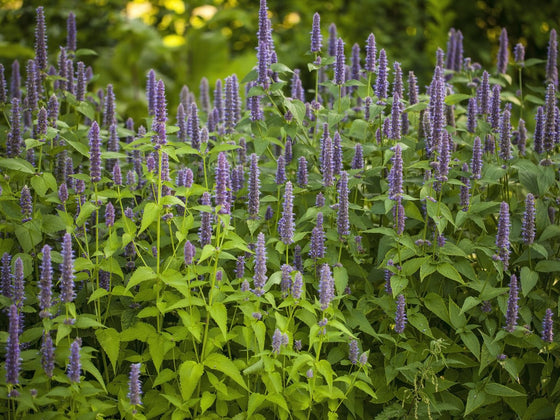
Anise Hyssop
How to grow anise hyssop in Australia from seed: surface sowing, free-draining soil, sowing months for six zones, cutting back, and picking leaves and flowers.
| Position | Full sun or light shade |
|---|---|
| Depth | Surface, or 1 mm |
| Spacing | 30 to 40 cm apart |
| First pick | Leaves from about 10 weeks |
Anise
How to grow anise in Australia: when to sow in all six climate zones, sowing where it grows, spacing and watering, then harvesting and drying seed and leaves.
| Position | Full sun, sheltered from wind |
|---|---|
| Depth | 6 to 10 mm |
| Spacing | 25 to 30 cm apart |
| First pick | Seed 17 to 20 weeks from sowing |