
How to Grow Mitsuba in Australia
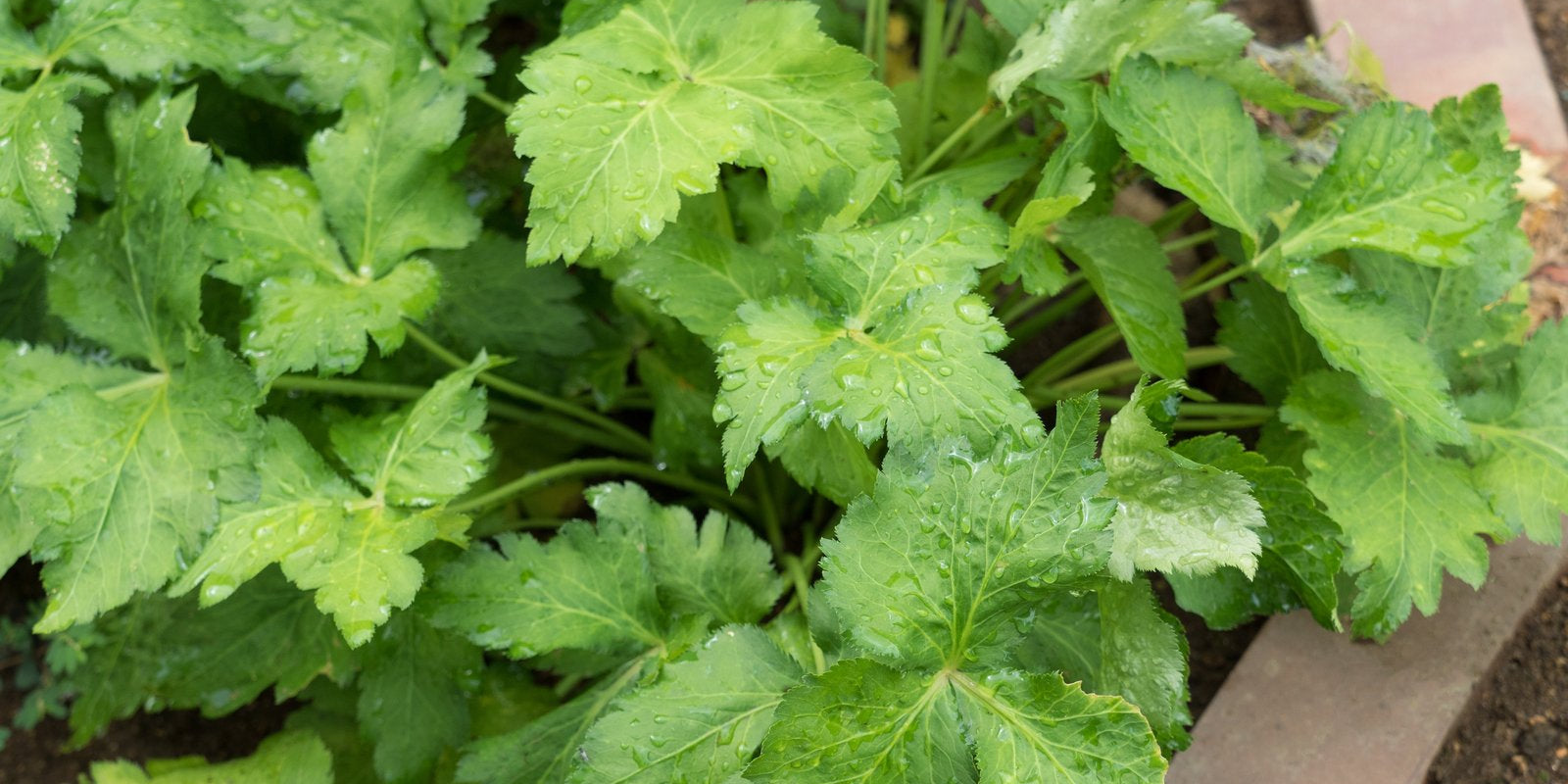
Mitsuba is a shade-loving Japanese herb grown for its three-part leaves and long stalks. Sow in autumn or spring into soil of about 18°C to 25°C. Barely cover the seed and keep it damp, and seedlings appear in 1 to 4 weeks. Space plants 15 to 20 cm apart in part shade and moist, rich soil. Cut whole stalks from 7 to 9 weeks.
| Sun | Part shade to bright shade |
|---|---|
| Water | Keep evenly moist; never let it dry |
| Soil | Rich, moist, compost-rich; pH about 6.0 to 6.5 |
| Feed | Half-strength liquid feeds, fortnightly |
| Spacing | 15 to 20 cm apart |
| Depth | Barely covered, about 3 mm |
| Germination | 1 to 4 weeks at 18 to 25°C |
| Harvest | 7 to 9 weeks from sowing |
| Container | Yes, 30 cm pot, 10 to 15 L |
| Frost | Frost kills leaves; roots usually reshoot |
| Use | Leaves and stalks in soups, rice, salads |
Mitsuba (Cryptotaenia japonica) is a carrot family perennial (Apiaceae) grown as an annual for its three-part leaves, long tender stalks and microgreens. It is also called Japanese wild parsley or Japanese honewort, but it is neither parsley nor chervil. Unlike most culinary herbs it prefers shade, and treating it like a sun-loving herb is the usual mistake.
Three mistakes that matter
- Planting it in full sun. In hot sun the leaves turn yellow and bitter, and plants run to flower early. Give it part shade or bright full shade, as Site, soil and setup describes.
- Burying the seed. Mitsuba seed germinates best with some light, and seed sown deep often never comes up. Barely cover it, keep the surface damp, and allow up to four weeks, as Sowing Seeds explains.
- Letting the soil dry out. This is a plant of damp woodland and ditches, and it copes very poorly with drying out. Mulch, and water before the surface dries, as Care by growth stage sets out.
When to plant
Mitsuba is a cool-season crop that grows best between 15°C and 25°C. Seed germinates best in soil of about 18°C to 25°C, usually in 1 to 4 weeks. Sow in autumn and spring, and sow again every 4 to 6 weeks for a steady supply.
| Zone | Example cities | Sow | Harvest | Notes |
|---|---|---|---|---|
| Tropical | Darwin, Katherine NT; Cairns, Townsville QLD; Broome WA | May-Jul | Jul-Oct | Sow in the dry season, in shade. The wet season build-up usually ends plants, so expect a short crop. |
| Subtropical | Brisbane, Gold Coast, Sunshine Coast QLD; Coffs Harbour, Lismore NSW | Mar-May and Aug-Sep | May-Nov | Autumn sowings crop through the mild winter. Spring plants need afternoon shade and usually flower as summer heat builds. |
| Arid and semi-arid | Alice Springs NT; Broken Hill, Dubbo NSW; Mildura VIC; Kalgoorlie WA | Mar-Apr and Aug-Sep | May-Nov | Grow in a shaded, sheltered spot with deep mulch. Hot, dry summer wind usually finishes plants. |
| Temperate | Sydney, Newcastle, Wollongong NSW; Melbourne, Geelong VIC | Sep-Nov and Feb-Apr | Nov-Jan and Apr-Aug | Autumn sowings, around Anzac Day at the latest, crop longest. Spring plants need afternoon shade from December. |
| Mediterranean | Perth, Bunbury WA; Adelaide and the SA coast | Mar-May and Sep-Oct | May-Dec | Autumn sowing suits the wet winter. Plants usually dry off in the long, hot summer unless shaded and watered. |
| Cool and alpine | Hobart, Launceston TAS; Canberra ACT; Ballarat VIC; Orange NSW | Sep-Dec and Feb-Apr | Nov-May | Start seed under cover in September. Frost kills the leaves, but established roots usually reshoot in spring. |
At the hot edge of a window, sow under cover in a shaded spot and plant out once the weather cools. Summer sowings in hot zones usually flower before they crop.
Site, soil and setup
Choose the spot other herbs refuse: the shaded south side of a fence or shed, or dappled light under a deciduous tree.
| Factor | Setup |
|---|---|
| Light | Part shade to bright full shade; morning sun is fine, and full sun only suits the cool months |
| Soil | Rich, moist soil that holds water but does not stay waterlogged; sand, loam and clay all suit it once compost is added |
| pH | About 6.0 to 6.5 is ideal; if a pH test reads below 6.0, apply garden lime at 100 to 200 g per square metre, 4 weeks before sowing |
| Bed preparation | Dig in a 5 cm layer of compost, then mulch after thinning to hold moisture |
| Rotation | Choose a bed where mitsuba has not grown for three to four years, because it does poorly when grown in the same soil year after year |
Container growing
Mitsuba suits a pot on a shady balcony or verandah, and a pot is easy to move out of summer heat. Use a pot at least 30 cm across holding about 10 to 15 L of quality potting mix, with drainage holes. Sow mitsuba seed across the surface and thin to about three plants. In a pot it usually stays compact.
- Water: whenever the surface feels dry, which can mean daily in warm weather. See watering pots in summer.
- Feed: fish and seaweed blend at half strength, about 12 mL per 9 L, fortnightly once you start cutting.
- Position: morning sun and afternoon shade, out of hot wind.
- Handling mix: potting mix can carry Legionella bacteria, so wet it down, wear gloves and a P2 mask, and wash your hands afterwards.
Sowing Seeds
Start mitsuba from seed, sown direct where it will grow or in cells for planting out.
Starting under cover
- Fill cells or small pots with moist seed-raising mix and sow three or four seeds in each.
- Cover with no more than 3 mm of fine mix, just enough to hide the seed, then firm it.
- Keep the mix damp and warm, at the soil temperature When to plant gives. Seedlings appear unevenly over 1 to 4 weeks.
- Thin each cell to the strongest seedling once they can be handled.
Sowing direct
Rake the bed fine and water it. Sow thinly in rows 15 to 20 cm apart and sift a bare 3 mm of fine compost over the seed. Keep the surface damp until seedlings show. When they reach about 7 cm, thin to 15 to 20 cm apart and eat the thinnings.
Planting out
Plant out seedlings 5 to 10 cm tall, with four or five true leaves. Harden them off first (get them used to outdoor conditions a little more each day) for about a week, as hardening off seedlings describes. Set them 15 to 20 cm apart and water them in.
Care by growth stage
Steady moisture and shade decide this crop, and cutting keeps it leafy.
| Stage | Water | Feed | Watch for |
|---|---|---|---|
| Germination, weeks 1 to 4 | Mist or use a fine rose so the surface never dries | No feed before true leaves appear | Seedlings collapsing at soil level; slugs and snails after rain |
| Seedlings, first true leaves to about week 7 | Evenly moist, never soggy | Seaweed solution at half strength, 15 mL per 9 L, fortnightly | Crowding, so thin on time; aphids on soft growth |
| First cuts, from about week 8 | Water deeply before the soil dries; mulch to hold moisture | Fish emulsion at half strength, fortnightly, timing one feed just after a heavy cut | Yellowing leaves in too much sun; stippled leaves in hot, dry weather |
| Hot weather | Check daily; water pots and beds in the morning | Keep feeds at half strength, fortnightly | Flower stems rising from the centre; wilting in hot wind |
| Late season and winter | Keep watering steady while you still cut | Stop feeding as growth slows | Frost killing the leaves; the roots usually reshoot in spring |
If growth stalls in poor soil, scratch all-purpose controlled release granular (NPK around 14-5-10) into the surface once, at half the label rate.
Bolt Management
Bolting (running to flower) sends up stems up to 1 m tall, and the leaves turn bitter once a plant flowers. A rosette that flowers dies once its seed ripens, although side crowns from the same root often carry on.
- Cut stalks often, taking the largest first, so the plant keeps making leaves.
- Snip each flower stem off at the base as soon as it appears.
- From early summer, shade beds from afternoon sun with shade cloth or the taller companions Companion planting names.
- Keep sowing at the interval When to plant gives, so young plants are ready as older ones bolt.
- Leave one or two plants to flower in a spare corner if you want self-sown seedlings.
Companion planting
Mitsuba fills shade that most crops cannot use, so pair it with plants that make shade or share its needs.
Grows well with
- Chervil, a herb that shares its liking for moist, part-shaded ground.
- Taller sun-loving plants such as tomatoes and sweet corn, planted on its western side so their foliage blocks the afternoon sun.
- Woodland or alpine strawberries, which share its moist, lightly shaded ground.
Keep apart
- Mint, which spreads by creeping runners through the same damp, shady soil and crowds mitsuba out.
Harvesting Leaves and Stalks
First cuts are usually ready 7 to 9 weeks from sowing, once stalks stand 15 to 20 cm tall.
- Cut whole stalks near the base with scissors, leaving the crown to regrow.
- Take the outer stalks first and leave the young centre stalks.
- Once a plant keeps sending up flower stems and its leaves turn bitter, pull it and cut from a younger sowing.
- For seed, cut dry flower stalks and strip the seed into a paper bag.
Leaves wilt quickly. Rinse cut stalks, wrap them in a damp paper towel and keep them in a bag in the fridge.
Leaves, stalks and roots are edible, raw or briefly cooked. Add them to clear soups, rice dishes, salads, sushi and stir fries at the last minute, because long cooking makes them bitter. People allergic to celery, parsley or parsnip should take care, and repeated handling can irritate sensitive skin.
Common problems
Few seedlings come up. Once depth and moisture are right, as Three mistakes that matter explains, old seed is the usual cause, so sow a fresh packet thickly. Wait a full four weeks before resowing.
Seedlings collapse at soil level. Damping off (a seedling rot caused by soil fungi) strikes in wet, crowded mix, so use fresh seed-raising mix, thin early and water less often. Read more
Pale, yellowing leaves. Apart from too much sun, plants cut hard and often can run short of food, so feed as Care by growth stage sets out.
Plants die off in summer. Heat and dry wind finish many plants in warm zones, so sow in autumn and treat summer losses as the end of the crop. Saving seed each year from the plants that survive can, over several years, give a strain that suits your garden.
Pests and diseases
Few pests trouble mitsuba, and before any spray, read the label and use it only as directed.
Slugs and snails (Gastropoda). They chew seedlings to the ground overnight and strip new spring growth, most often after rain. Search with a torch about two hours after dark and remove them. Read more
Aphids (Aphididae). Clusters of small sap-sucking insects gather on soft new growth, which curls and turns sticky. Squash them by hand, hose them off, or spray insecticidal soap on the leaf undersides. Read more
Two-spotted mite (Tetranychus urticae). Tiny mites under the leaves leave yellow stippling, and numbers build fast in hot, dry weather. Hose the undersides early in the morning three days running. Read more
Prevention first
- Thin seedlings to the spacing Sowing Seeds gives, so air moves between them.
- Keep plants in shade and moist soil, where mites do poorly.
- Pull mulch back from seedlings, and check under pots and boards where snails hide.
- Avoid broad-spectrum sprays, which kill the ladybirds and predatory mites that keep pests down.
Tips
- Store seed somewhere cool, dark and dry, and sow it within a year or two, because mitsuba seed is short-lived.
- Grow a tray of microgreens: sow thickly on moist mix and cut when seedlings reach about 7 cm. Growing microgreens covers the method.
- For white, blanched stems in the Japanese style, use a year-old clump whose tops have died back in winter. Clear the dead leaves and heap soil about 20 cm deep over the crown before new shoots appear. Dig the pale shoots as they push through in spring.
Questions
Is mitsuba the same as parsley?
No. Mitsuba is Cryptotaenia japonica, a different plant in the same carrot family as parsley, Petroselinum crispum. Its leaves come in threes on long stalks, and the flavour is often likened to a mix of parsley and celery. It grows best in part shade.
Can mitsuba grow in full shade?
Yes, in bright shade it grows well, and part shade suits it best. In full sun the leaves tend to yellow and turn bitter, and plants flower sooner, so keep it out of hot afternoon sun.
Why is my mitsuba seed not germinating?
The usual causes are seed buried too deep, a surface that dried out, or old seed. Mitsuba seed germinates best with some light, so barely cover it. Keep the surface damp and wait a full four weeks. Seed loses viability within a year or two, so sow a fresh packet.
Does mitsuba come back every year?
It is a perennial, but it is usually grown as an annual. Frost kills the leaves, and the roots often reshoot in spring. In hot, dry summers many plants die off. A rosette dies after it sets seed, but self-sown seedlings often follow.
Which parts of mitsuba can you eat?
The leaves, stalks and roots are all edible, and the seed is used as a seasoning. Add leaves and stalks to soups and rice dishes at the last minute, because long cooking makes them bitter. People allergic to celery or parsley should take care.
Can you grow mitsuba as microgreens?
Yes. Sow the seed thickly on moist mix in a shallow tray and cut the seedlings when they are about 7 cm tall. Thinnings from a garden row can be eaten the same way.
Grow it
More herbs to sow in September
All herbs
Agrimony
How to grow agrimony in Australia from seed: chilling the burrs, sowing months for six climate zones, sun and soil, cutting back, harvest, history and safety.
| Position | Full sun, light shade tolerated |
|---|---|
| Depth | 5 mm |
| Spacing | 30 cm apart |
| First pick | Summer; 12 to 18 weeks from spring sowing |

Angelica
How to grow angelica in Australia from seed: fresh or chilled seed sown on the surface, part shade, months for six climate zones, stems, history and safety.
| Position | Part shade, morning sun |
|---|---|
| Depth | Surface; press in, uncovered |
| Spacing | 50 to 90 cm |
| First pick | Stems at about 18 months |
Anise Hyssop
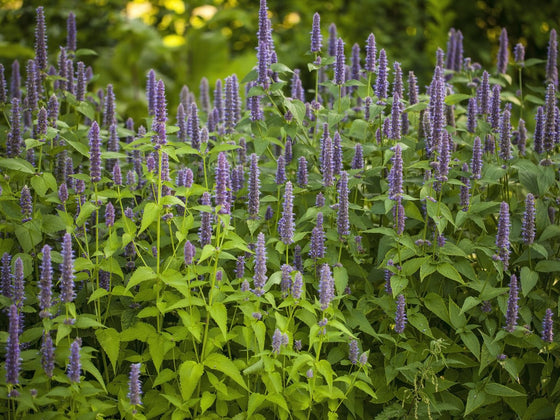
How to grow anise hyssop in Australia from seed: surface sowing, free-draining soil, sowing months for six zones, cutting back, and picking leaves and flowers.
| Position | Full sun or light shade |
|---|---|
| Depth | Surface, or 1 mm |
| Spacing | 30 to 40 cm apart |
| First pick | Leaves from about 10 weeks |
Anise
How to grow anise in Australia: when to sow in all six climate zones, sowing where it grows, spacing and watering, then harvesting and drying seed and leaves.
| Position | Full sun, sheltered from wind |
|---|---|
| Depth | 6 to 10 mm |
| Spacing | 25 to 30 cm apart |
| First pick | Seed 17 to 20 weeks from sowing |