
How to Grow Caraway in Australia
Caraway is a hardy biennial grown for its seed, with edible leaves and roots. Sow it direct in early autumn or spring, 5 to 10 mm deep, and thin to 20 to 30 cm apart. Seedlings take 7 to 14 days. Pick leaves from 10 to 12 weeks. Plants flower after a winter, and seed ripens about a month later.
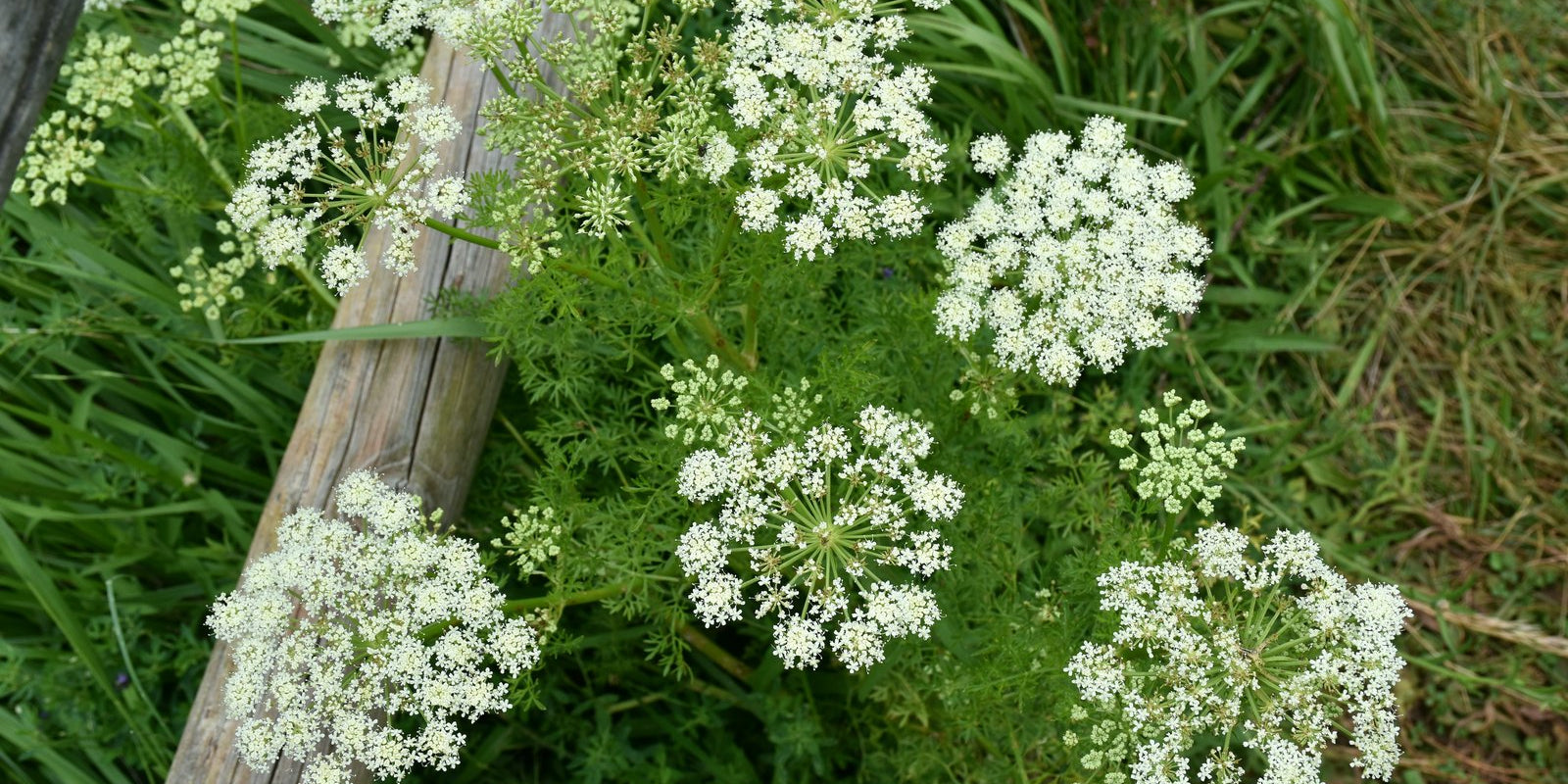
| Sun | Full sun; tolerates light shade |
|---|---|
| Water | Evenly moist, never waterlogged |
| Soil | Deep, well-drained loam, pH 6.0 to 7.5 |
| Feed | Minimal; compost at sowing, little else |
| Spacing | 20 to 30 cm apart |
| Depth | 5 to 10 mm |
| Germination | 7 to 14 days in 18 to 22°C soil |
| Harvest | Leaves 10 to 12 weeks |
| Container | Yes, 30 cm wide and deep |
| Frost | Hardy; rosette may die back in frost |
| Use | Seed for baking; leaves and root cooked |
Caraway (Carum carvi) is a hardy biennial of the carrot family, Apiaceae, grown for its aromatic seed and also for its leaves and root. It makes a low, carrot-like rosette in its first year, then, after a winter, flowers, sets seed and usually dies. Most failures come down to timing: a plant that meets winter too small, or never feels real cold, may not flower.
Three mistakes that matter
- Raising it in punnets. Caraway grows a long taproot that resents disturbance, and transplanted seedlings often stall or fail. Sow the seed where the plants will grow, as Sowing Seeds describes.
- Sowing too late in autumn. A late sowing meets winter too small to flower the next spring, and stays leafy for another year. Sow in early autumn or in spring, as When to plant explains.
- Letting weeds crowd the seedlings. The seed is slow to come up and young plants compete poorly, so weeds can smother a row within weeks. Weed by hand or with a shallow hoe until the plants are established, then mulch.
When to plant
Caraway seed germinates best in soil of 18°C to 22°C and usually emerges in 7 to 14 days. The plant flowers only after vernalisation (a spell of winter cold that triggers flowering), and only once it has at least six leaves. Sow in early autumn while the soil is still warm, or in spring for a full season of leafy growth before winter.
| Zone | Example cities | Sow | Harvest | Notes |
|---|---|---|---|---|
| Tropical | Darwin, Katherine NT; Cairns, Townsville QLD; Broome WA | Apr-May | Jun-Sep | Sow as the dry season starts and pick leaves and roots before the build-up heat arrives. |
| Subtropical | Brisbane, Gold Coast, Bundaberg QLD; Coffs Harbour, Lismore NSW | Mar-May | Jun-Dec | Sow as the weather cools. Caraway grows best at 15°C to 21°C, so winter is its season here. |
| Arid and semi-arid | Alice Springs NT; Broken Hill, Dubbo NSW; Mildura VIC; Kalgoorlie WA | Mar-Apr | Jun-Dec | Sow in early autumn to establish before frosts. Mulch well, and water steadily so seed sets before summer heat. |
| Temperate | Sydney, Newcastle, Wollongong NSW; Melbourne, Geelong VIC | Mar-Apr and Sep | Jun-Sep and Dec-Feb | Autumn sowings usually seed the next summer. Spring sowings grow leaf first and seed the summer after. |
| Mediterranean | Perth, Bunbury WA; Adelaide and the SA coast | Mar-May | Jun-Sep and Nov-Jan | Autumn sowing uses the winter rain. Water through spring so seed fills before the dry heat arrives. |
| Cool and alpine | Hobart, Launceston TAS; Canberra ACT; Ballarat VIC; Orange NSW | Mar and Sep-Oct | Dec-Mar | Sow in early autumn or once hard frosts ease in spring. Mulch the crown before winter. |
In frosty gardens, sow autumn rows early, because a sowing made much after Anzac Day can meet winter too small to flower. Tropical and subtropical winters are often too mild to trigger flowering, so grow caraway there for leaves and roots, and treat seed as a bonus.
Site, soil and setup
A plant can hold its spot for 13 to 15 months from sowing to seed, so choose a bed you can spare.
| Factor | Setup |
|---|---|
| Light | Full sun for the best seed; it manages in light shade, but plants in full sun are more aromatic |
| Soil | Deep, crumbly, well-drained loam free of stones and clods, so the taproot grows straight; very light sand and waterlogged ground suit it poorly |
| pH | 6.0 to 7.5 suits it best, and it tolerates soil down to about 5.0; below that, apply garden lime at 100 to 200 g per square metre, 4 weeks before sowing |
| Bed preparation | Dig in a 5 cm layer of compost before sowing; skip fresh manure and high-nitrogen feeds |
| Drainage | On heavy clay, build a raised bed, because wet winter soil rots the taproot |
| Rotation | Avoid a bed that grew carrots, parsnips, parsley, dill or fennel the season before, since the carrot family shares pests and diseases |
Container growing
A deep pot suits caraway, since the taproot needs depth more than width. Use a pot at least 30 cm across and 30 cm deep, about 15 to 20 L, filled with quality potting mix. Sow caraway seed straight into the pot and thin to one plant, or two in a pot 40 cm across.
- Water: keep the mix evenly moist but never soggy, and check it daily in hot weather. See watering pots in summer.
- Feed: seaweed solution at half strength, 15 mL per 9 L, fortnightly for the first month after true leaves. After that, fish and seaweed blend at half strength, about 12 mL per 9 L, fortnightly in spring and summer.
- Position: full sun, somewhere the pot can stay for two seasons.
- Handling mix: potting mix can carry Legionella bacteria, so dampen it first, wear gloves and a P2 mask, and wash your hands afterwards.
Sowing Seeds
Sow caraway direct into the bed where it will grow.
Sowing direct
- Rake the bed to a fine surface and water it the day before sowing.
- Sow seed 5 to 10 mm deep in rows 45 cm apart, or scatter it thinly over a small patch.
- Keep the surface moist until the seedlings appear. Direct sowing covers the method.
- Thin to 20 to 30 cm apart once seedlings have true leaves, snipping the extras at soil level to spare the roots left behind.
Starting in pots
Where birds or heavy rain make direct sowing hard, sow two or three seeds into each biodegradable pot. Snip all but the strongest at soil level, then plant the pot whole. Move them while the seedlings are small, before roots show through the base. Harden them off (get them used to outdoor sun and wind a little more each day) for a few days first, following hardening off seedlings.
Care by growth stage
Steady moisture and a light hand with feed decide this crop, because heavy feeding pushes soft leaf at the expense of seed.
| Stage | Water | Feed | Watch for |
|---|---|---|---|
| Germination, weeks 1 to 2 | Mist or sprinkle so the surface never dries | No feed before true leaves appear | Weeds coming up first; slugs and snails after rain |
| Seedlings, weeks 2 to 8 | Evenly moist, never soggy | Seaweed solution at half strength, 15 mL per 9 L, fortnightly for the first month | Crowding, so thin on time; aphids on new growth |
| First-year rosette, week 8 to winter | Deep water weekly in dry spells; keep mulch topped up | None in compost-rich soil | Waterlogged soil; powdery mildew in humid weather |
| Winter | Water only in long dry spells | No feed | Leaves dying back after frost, which is normal; wet soil around the crown |
| Second spring, flower stalks rising | Keep evenly moist, because seed set needs water | Sulphate of potash, 30 g per square metre, once, watered in | Aphids on stalks and flower heads |
| Seed ripening, about 4 weeks after flowering | Reduce watering over the last 1 to 2 weeks as the heads brown | No feed | Heads turning brown; seed starting to drop |
If growth stalls in poor soil, a light dose of all-purpose controlled release granular (NPK around 14-5-10) scratched into the surface can help. In Canberra, Hobart and on the tablelands, mulch over the crown protects the root through winter. Pull it back once new growth shows in spring.
Companion planting
A flowering caraway draws in hoverflies and small parasitic wasps, which prey on aphids, so it helps the crops those pests trouble.
Grows well with
- Peas, because the flowers bring in predators of the aphids that gather on them.
- Cabbages and other brassicas, whose caterpillars are hunted by the wasps the flowers attract.
- Onions and lettuce, shallow-rooted crops that leave the deep soil to the taproot.
Keep apart
- Fennel, a tall, vigorous neighbour that caraway grows poorly beside.
- Carrots, parsnips and dill, which share its pests and diseases.
- Tall crops such as sweet corn, which shade the seed heads.
Harvesting Seed and Leaves
Seed is ready about a month after flowering, when most seeds on a head have turned light brown but none have fallen.
- Pick outer leaves from about 10 to 12 weeks after sowing, leaving the centre to keep growing.
- For roots, lift first-year plants in autumn or winter, which ends that plant's seed crop.
- Cut seed heads in the early morning, while dew holds the seed in place.
- Cut each head with a short stalk and drop it straight into a paper bag.
- Hang the bags somewhere dry and airy until the heads are brittle, then rub the seed free and winnow off the chaff.
Store the seed only once it is fully dry, in an airtight jar in a cool, dark cupboard. Leaves are best used the day they are picked.
Use the seed in rye bread, sauerkraut, cabbage dishes and cheese, toasting it lightly in a dry pan first for a deeper flavour. Young leaves suit salads and soups, and the root cooks like a parsnip.
Common problems
No flowers in the second spring. The plant was too small going into winter, or the winter was too mild to trigger flowering, as When to plant explains. Keep it growing, because some plants flower a year later.
Patchy or no seedlings. Caraway is slow to germinate and a dry surface can stop it, so resow into moist soil and keep it damp until seedlings appear. Read more
Seed drops before you pick it. Ripe heads shatter quickly in dry, windy weather and the fallen seed self-sows, so check heads every few days once they start to brown.
Plants yellow and collapse over winter. Waterlogged soil rots the taproot, especially on heavy clay after a wet spell, so follow the drainage advice in Site, soil and setup. Read more
Pests and diseases
Start with hand controls, and before any spray, read its label and use it only as directed.
Aphids (Aphididae). Clusters of small sap-sucking insects gather on new growth, stalks and flower heads, which curl and distort. Knock them off with a strong jet of water, or spray insecticidal soap on the undersides of leaves. Read more
Slugs and snails (Gastropoda). They chew seedlings to stumps overnight, most often after rain. Search with a torch after dark and remove them, and ring raised beds or pots with copper strips. Read more
Powdery mildew (Erysiphe heraclei). Uncommon on caraway, this carrot-family mildew is recorded in Australia on dill and carrot. A white, powdery film spreads over the leaves, usually starting on the older, lower ones, in warm humid spells or crowded plantings. Remove badly affected leaves and spray 1 part full-cream milk to 10 parts water. Read more
Rutherglen bug (Nysius vinitor). Swarms of these mottled grey-brown native bugs, 3 to 4 mm long, can settle on seed heads from spring. In carrot seed crops their feeding leaves seed that germinates poorly, so cut heads as soon as they ripen. Read more
Prevention first
- Sow thinly and thin on time, so air moves between the plants.
- Water the soil rather than the leaves, and water in the morning so plants dry before night.
- Clear weeds and debris from around the bed, where snails shelter by day.
- Grow flowering herbs nearby to keep aphid predators in the garden, as hoverflies explains.
Tips
- Sow a short row every autumn, not just once. Rows of two ages then share the bed, and one is usually in flower while the next is still leafy.
- Cut every seed head before it sheds unless you want self-sown seedlings. Caraway self-sows freely and has been recorded growing wild in Western Australia.
- Pick only a few leaves from first-year plants, because the rosette feeds the root that powers next year's flowers.
Questions
Why has my caraway not flowered?
Caraway is a biennial, so it flowers in its second year, and only after a cold winter. A plant with fewer than six leaves going into winter, or one grown where winters are mild, can stay leafy for another year. Keep it growing and sow earlier in autumn next time.
Is caraway the same as cumin or black caraway?
No. Cumin (Cuminum cyminum) is a separate plant in the same family, although caraway is sometimes called Persian cumin. Black caraway is nigella (Nigella sativa), from a different family, Ranunculaceae. Caraway thyme is a thyme, not caraway, so check for the name Carum carvi.
Can you eat caraway leaves and roots?
Yes. Young leaves have a mild, dill-like flavour for salads and soups, and older leaves can be cooked like spinach. The root is cooked like a parsnip and is best dug in the first year, before the plant puts its energy into flowering.
Does caraway come back every year?
Usually not. Most plants die once they have set seed in their second year, although in cool gardens some live on and flower again. Dropped seed often self-sows, and a new row each autumn keeps seed coming.
Will caraway cross with dill or fennel?
No. Caraway, dill, fennel and coriander belong to different genera in the carrot family and cannot cross-pollinate. Keep them apart for other reasons: they share pests and diseases, and fennel is a poor neighbour for caraway.
Grow it
More herbs to sow in September
All herbs
Agrimony
How to grow agrimony in Australia from seed: chilling the burrs, sowing months for six climate zones, sun and soil, cutting back, harvest, history and safety.
| Position | Full sun, light shade tolerated |
|---|---|
| Depth | 5 mm |
| Spacing | 30 cm apart |
| First pick | Summer; 12 to 18 weeks from spring sowing |

Angelica
How to grow angelica in Australia from seed: fresh or chilled seed sown on the surface, part shade, months for six climate zones, stems, history and safety.
| Position | Part shade, morning sun |
|---|---|
| Depth | Surface; press in, uncovered |
| Spacing | 50 to 90 cm |
| First pick | Stems at about 18 months |
Anise Hyssop
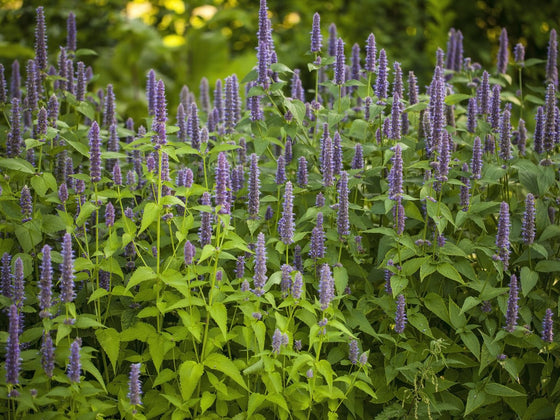
How to grow anise hyssop in Australia from seed: surface sowing, free-draining soil, sowing months for six zones, cutting back, and picking leaves and flowers.
| Position | Full sun or light shade |
|---|---|
| Depth | Surface, or 1 mm |
| Spacing | 30 to 40 cm apart |
| First pick | Leaves from about 10 weeks |
Anise
How to grow anise in Australia: when to sow in all six climate zones, sowing where it grows, spacing and watering, then harvesting and drying seed and leaves.
| Position | Full sun, sheltered from wind |
|---|---|
| Depth | 6 to 10 mm |
| Spacing | 25 to 30 cm apart |
| First pick | Seed 17 to 20 weeks from sowing |