
How to Grow Salad Burnet in Australia
Sow salad burnet seed 3 to 5 mm deep in autumn or spring, when the soil sits between 10 and 21°C. It needs light to germinate and takes 7 to 21 days. Thin to 30 cm in sunny, free-draining soil that is neutral to slightly limy. Pick young leaves from about 8 to 13 weeks, and cut the flower stems as they rise.
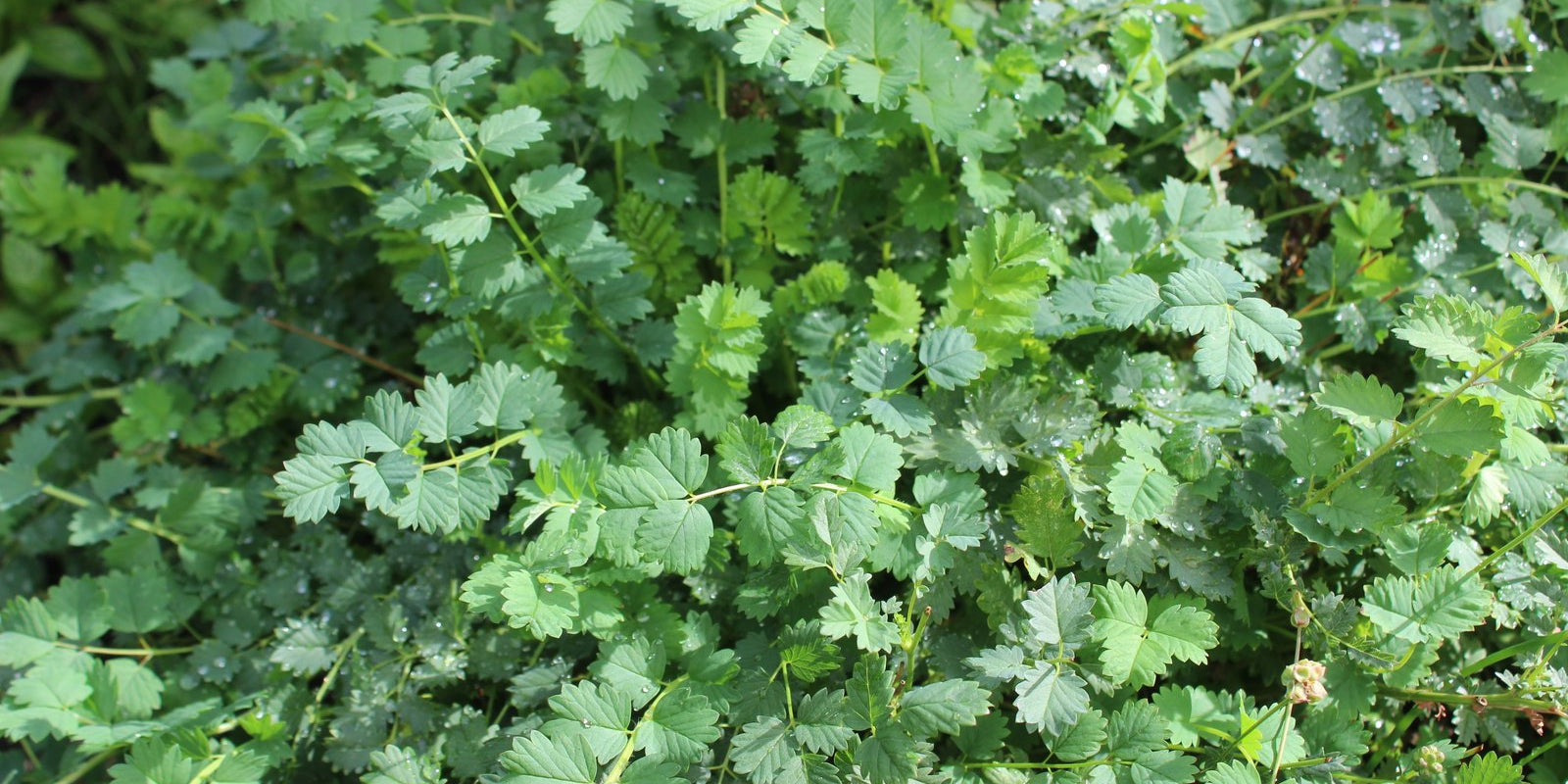
| Sun | Full sun or part shade |
|---|---|
| Water | Evenly moist; extra water in hot weather |
| Soil | Free-draining, neutral to slightly alkaline |
| Feed | Minimal; half-strength feeds at most |
| Spacing | 30 cm apart |
| Depth | 3 to 5 mm |
| Germination | 7 to 21 days at 10 to 21°C |
| Harvest | Leaves from 8 to 13 weeks |
| Container | Yes; 40 cm pot, about 28 L |
| Frost | Very hardy; green through mild winters |
| Use | Fresh leaves in salads, dips and drinks |
Salad burnet (Sanguisorba minor) is a hardy, clump-forming perennial of the rose family, Rosaceae, grown for young leaves with a mild, nutty cucumber flavour. It stays green through mild winters, so it can give salad leaves right through the cool months. The usual mistake is letting it flower, when cutting the flower stems keeps young leaves coming.
Three mistakes that matter
- Letting it run to flower. Flower stems can reach 75 cm, the leaves are best before flowering, and the plant self-sows readily. It is a minor environmental weed in South Australia and Victoria, so cut the stems as Cutting Back describes.
- Burying the seed. Salad burnet seed needs light to germinate, so seed sown at a normal depth may never come up. Cover it only lightly, at the depth Sowing direct gives, and keep the surface damp until seedlings appear.
- Moving an older plant. Older plants grow a strong taproot and do not transplant well. Sow where the plant is to grow, or plant out seedlings while they are small, and divide a big clump rather than shifting it.
When to plant
Seed germinates best with the soil between 10 and 21°C, so most zones sow in autumn and spring and skip the hottest months. Salad burnet is long-lived, so one sowing gives plants that crop for several years.
| Zone | Example cities | Sow | Harvest | Notes |
|---|---|---|---|---|
| Tropical | Darwin NT; Cairns, Townsville QLD; Broome WA | Apr-Jun | Jun-Oct | Sow early in the dry season and treat it as short-lived; it is unlikely to last the wet season. |
| Subtropical | Brisbane, Gold Coast, Bundaberg QLD; Coffs Harbour, Lismore NSW | Mar-May and Aug-Sep | Year round | Sow in autumn or late winter. Afternoon shade and steady water help plants through humid summers. |
| Arid and semi-arid | Alice Springs NT; Broken Hill, Dubbo NSW; Mildura VIC; Kalgoorlie WA | Mar-Apr and Aug-Sep | Year round | Sow before the first frosts and after the last. Mulch, shade and deep watering help keep summer leaves mild. |
| Temperate | Sydney, Newcastle, Wollongong NSW; Melbourne, Geelong VIC | Mar-Apr and Sep-Nov | Year round | Sow as autumn soil cools and spring soil warms. Autumn sowings usually give milder leaves; spring ones need summer water. |
| Mediterranean | Perth, Bunbury WA; Adelaide and the SA coast | Mar-May and Sep-Oct | Year round | Autumn sowings grow through the wet winter. Give free-draining soil and steady water through the dry summer. |
| Cool and alpine | Hobart, Launceston TAS; Canberra ACT; Ballarat VIC; Orange NSW | Sep-Nov and Feb-Mar | Sep-Jun | Spring is the main window. Plants survive hard frost, though growth slows through the coldest months. |
At the hot end of a window, sow into cells kept in light shade and plant out once the weather cools. In temperate and Mediterranean gardens, a sowing around Anzac Day grows through winter, when the leaves are usually mildest.
Site, soil and setup
In the wild, salad burnet grows on chalk grassland, so it wants sun, free drainage and soil that is neutral to slightly limy.
| Get the bed right | What to do |
|---|---|
| Light | Full sun or part shade; in hot districts, give it afternoon shade |
| Soil | Free-draining sandy or loamy soil; it copes with poor soil but not with waterlogging |
| pH | About 6.6 to 7.5; on acid soil, dig in garden lime at 100 to 200 g per square metre 4 weeks ahead |
| Preparation | Dig a 5 cm layer of compost into the bed before sowing |
| Heavy clay | Grow it in a raised bed or on a mound so the crown never sits wet |
| Position | A permanent spot, such as the front edge of a herb or vegie bed |
Because it stays put for years, salad burnet sits outside the vegetable rotation. See soil pH explained before liming.
Container growing
Salad burnet grows well in a pot, where its rounded clump suits a sunny balcony or courtyard. Choose a pot at least 30 cm across and 30 cm deep for the taproot. A standard 40 cm pot, about 28 L, is big enough. Fill it with a premium potting mix. The store sells one burnet, and it suits pots, since a plant spreads only about 30 to 40 cm.
- Water: when the top few centimetres of mix feel dry, until water runs from the drainage holes, and more often in hot weather.
- Feed: fish and seaweed blend at half strength, about 12.5 mL per 9 L, fortnightly in spring and summer.
- Position: full sun in cool districts, morning sun and afternoon shade where summers are hot.
Sowing Seeds
Sow straight into the bed, or into cells for planting out while young (see Three mistakes that matter). The store's Burnet seeds are salad burnet, Sanguisorba minor.
Sowing direct
- Sow seeds about 2.5 cm apart and cover them lightly, 3 to 5 mm deep (see how deep to sow).
- Keep the surface moist; seedlings appear in 7 to 21 days at the soil temperature When to plant gives.
- Thin the seedlings in stages to 30 cm apart once they can be handled.
- Space rows about 45 cm apart.
Starting in cells
- Start 6 to 8 weeks before planting out, with 3 to 4 seeds per cell of moist seed-raising mix, barely covered.
- Thin to the strongest seedling in each cell.
- Harden off the young plants (set them outdoors a little longer each day so they adjust to sun and wind) for about a week.
- Plant them out at 5 to 10 cm tall, 30 cm apart.
- Water them in with seaweed solution at half strength, 15 mL per 9 L.
Care by growth stage
Even moisture decides the crop. Established plants survive dry spells, but the leaves stay tender only with plenty of water in hot weather. Feed at half strength at most, because salad burnet grows naturally on poor, limy soils.
| Stage | Water | Feed | Watch for |
|---|---|---|---|
| Seedlings, first 6 weeks | Fine spray; keep the surface moist but never soggy | None until the first true leaves, then seaweed solution at half strength, 15 mL per 9 L, fortnightly | Slugs and snails; seedlings collapsing in wet mix |
| Young plants, weeks 6 to 8 | A deep soak when the top few centimetres dry | None in a compost-rich bed; in pots, the half-strength blend Container growing gives | Water lying around the crown after rain |
| Picking, from about week 8 to 13 | Keep evenly moist, with extra water and mulch in hot weather | None in a bed; in pots, keep up the fortnightly blend | Flower stems rising from the centre |
| Flowering, late spring to autumn | Keep the same routine | As for picking | Tough, bitter leaves; seed heads ripening |
| Established plants, second season on | Keep watering steady right through picking; soak deeply in dry spells | Compost as a 5 cm mulch around the clump each spring, kept clear of the crown | Crowded, woody clumps ready to divide |
Salad burnet is very cold hardy, and established plants carry on through frost. If growth stalls in poor soil, a light scatter of all-purpose controlled release granular (NPK around 14-5-10) can help.
Cutting Back
Cutting keeps the clump making young leaves and, as Three mistakes that matter explains, stops it seeding into the wider garden.
- Cut each flower stem at its base as it rises, before the round green flower heads ripen.
- Cut the whole plant back after flowering, or whenever the leaves turn tough from infrequent picking, to encourage tender new growth.
- Pull stray seedlings while they are small, before the taproot deepens.
- Divide a crowded clump in spring (see dividing perennials), replanting more pieces than you need, since only some take.
Companion planting
Salad burnet sits best among other perennial herbs, but it wants more summer water than thyme or oregano, so water it at its base.
Grows well with
- Thyme, which wants the same sunny, well-drained spot and stays in place for years.
- Oregano, another sun-loving perennial for a permanent herb bed.
- Chives, a perennial salad herb picked on the same trips to the garden.
Keep apart
- Mint, whose runners crowd a low clump and which prefers damp ground.
- Annual beds dug over every season, where digging damages the burnet's taproot.
Harvesting Leaves
Start picking once plants are about 20 to 25 cm tall, usually 8 to 13 weeks after sowing, taking the young leaves first.
- Pick in the morning, when the leaves are fresh.
- Snip whole young leaf stems with scissors.
- Keep picking regularly, or cut the plant back as Cutting Back describes.
Use the leaves fresh, because they turn bitter when dried. Wrapped in a damp paper towel inside a perforated bag in the crisper, picked leaves keep for 2 to 3 days.
Chop young leaves into salads, sandwiches, soups and dips, or add whole sprigs to iced drinks.
Common problems
Seed slow to come up. Salad burnet germinates slowly, and seed buried too deep or sown into soil outside the range When to plant gives may not appear. Read more
Bitter leaves in summer. Hot, dry weather can turn the leaves bitter, so water deeply, mulch and give afternoon shade in hot districts.
Plants rot or fade over winter. Salad burnet does not tolerate poor drainage, so a wet crown in heavy soil can kill it; move new plants to a raised bed. Read more
Brown spots on the leaves. Leaf spot can appear in wet weather, so pick off spotted leaves, water at the base and keep the spacing Sowing direct gives.
Pests and diseases
Salad burnet is rated generally free of pests and diseases, so trouble mostly falls on seedlings.
Slugs and snails, including grey field slug (Deroceras reticulatum). They feed after dark and in wet weather, and can chew seedlings to the ground. Search with a torch about two hours after sunset, and set beer traps where they are active. Read more
Damping off (Pythium species and Rhizoctonia solani). Young seedlings rot at soil level and fall over, most often in wet mix. Sow into clean seed-raising mix, avoid overwatering and thin crowded seedlings. Read more
Prevention first
- Sow in fresh seed-raising mix, with clean trays and tools.
- Clear old plant trash from trays and beds between sowings.
- Keep mulch back from young seedlings, since snails shelter in it by day.
- Set out citrus rind halves and collect the snails sheltering under them before dark.
Tips
- Strip older, wiry stems over the salad bowl: run your fingers down each stem and the leaflets fall off whole.
- Freeze young leaves in ice cubes for cool summer drinks.
- For burnet vinegar, cover a jar of leaves with white wine vinegar, keep it in the fridge, and strain after a few weeks. Follow CSIRO's preserving advice, because herbs bottled without enough acid can carry botulism.
Questions
What does salad burnet taste like?
The young leaves have a mild, slightly nutty cucumber flavour. Leaves turn bitter with age, can turn bitter in hot, dry weather, and are usually mildest in winter. Pick young leaves before the plant flowers for the best flavour.
Is salad burnet the same as great burnet?
No. Great burnet, Sanguisorba officinalis, is a different species that grows 1 to 1.5 m tall, with maroon flower spikes, and likes moist soil. Salad burnet, Sanguisorba minor, forms a low clump about 40 cm tall before it flowers, and it is the one grown for salad leaves.
Does salad burnet come back every year?
Yes. It is a long-lived, very cold hardy perennial, and in mild winters it stays green. A clump can be picked for several years. Cut the flower stems to keep young leaves coming, and divide crowded clumps in spring.
Can you grow salad burnet in a pot?
Yes. Choose a pot at least 30 cm across and 30 cm deep, because the plant grows a taproot. Fill it with premium potting mix, water when the top few centimetres dry, and give it afternoon shade where summers are hot.
Can you dry salad burnet leaves?
Drying is not recommended, because the leaves turn bitter when dried. Use them fresh, or keep picked leaves in a damp paper towel in the crisper for 2 to 3 days. Leaves frozen in ice cubes suit summer drinks.
Grow it
More herbs to sow in September
All herbs
Agrimony
How to grow agrimony in Australia from seed: chilling the burrs, sowing months for six climate zones, sun and soil, cutting back, harvest, history and safety.
| Position | Full sun, light shade tolerated |
|---|---|
| Depth | 5 mm |
| Spacing | 30 cm apart |
| First pick | Summer; 12 to 18 weeks from spring sowing |

Angelica
How to grow angelica in Australia from seed: fresh or chilled seed sown on the surface, part shade, months for six climate zones, stems, history and safety.
| Position | Part shade, morning sun |
|---|---|
| Depth | Surface; press in, uncovered |
| Spacing | 50 to 90 cm |
| First pick | Stems at about 18 months |
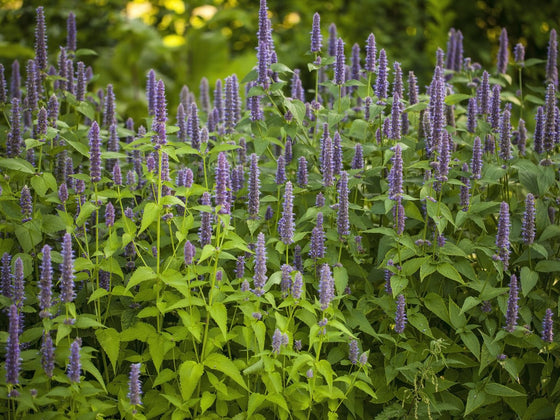
Anise Hyssop
How to grow anise hyssop in Australia from seed: surface sowing, free-draining soil, sowing months for six zones, cutting back, and picking leaves and flowers.
| Position | Full sun or light shade |
|---|---|
| Depth | Surface, or 1 mm |
| Spacing | 30 to 40 cm apart |
| First pick | Leaves from about 10 weeks |
Anise
How to grow anise in Australia: when to sow in all six climate zones, sowing where it grows, spacing and watering, then harvesting and drying seed and leaves.
| Position | Full sun, sheltered from wind |
|---|---|
| Depth | 6 to 10 mm |
| Spacing | 25 to 30 cm apart |
| First pick | Seed 17 to 20 weeks from sowing |