
How to Grow Stevia in Australia
Press stevia seed onto moist seed-raising mix without covering it, because light helps it germinate, and keep it at 20 to 25°C. Seedlings appear in 1 to 3 weeks, often unevenly, so sow the whole packet. Plant out after frost, 30 to 60 cm apart in full sun and free-draining soil. Pick leaves from about 9 weeks after planting out, sweetest just before flowering.
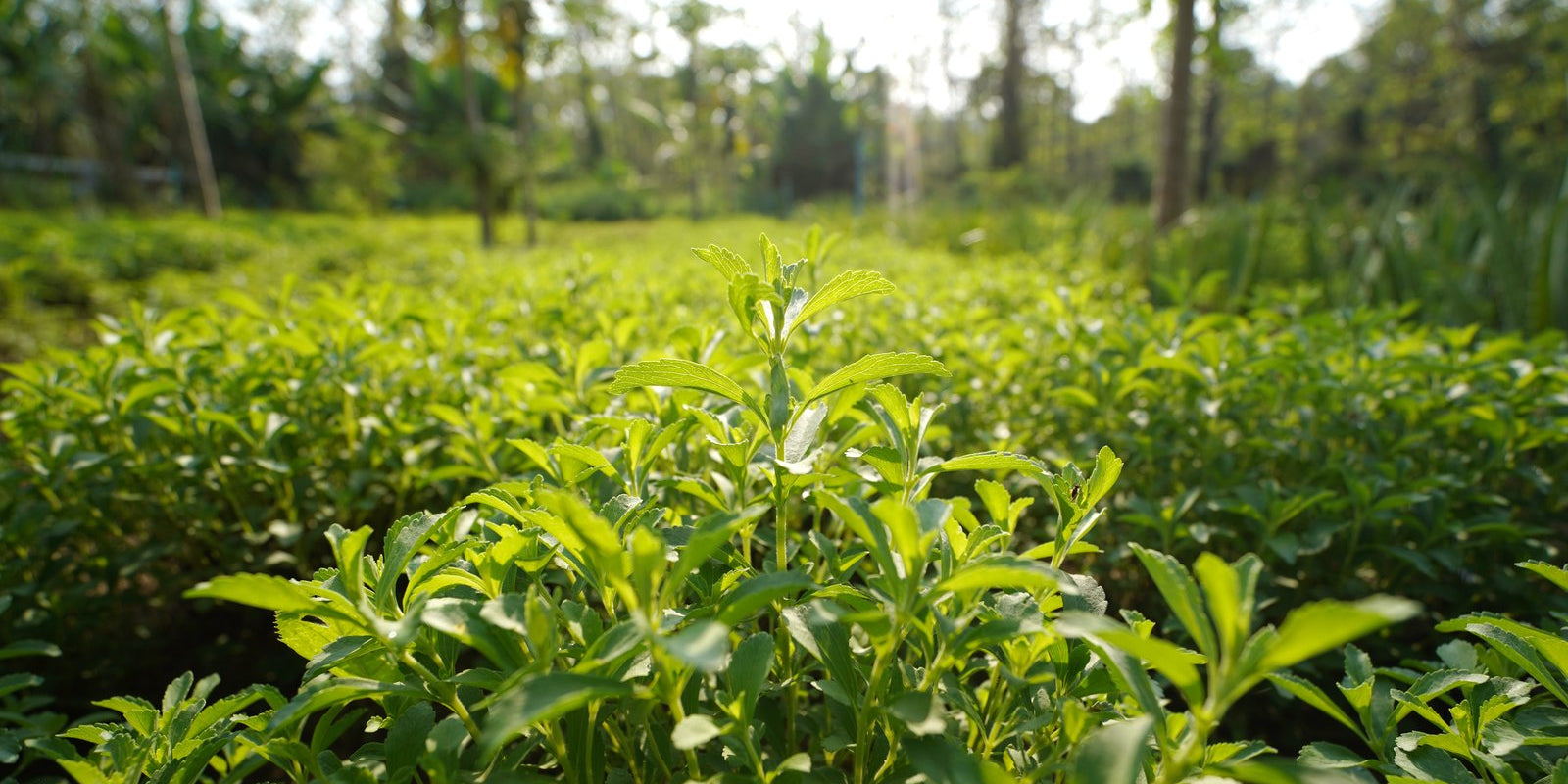
| Sun | Full sun |
|---|---|
| Water | Evenly moist; never waterlogged |
| Soil | Fertile, free-draining, about pH 5 to 7.5 |
| Feed | Light; half-strength feeds at most |
| Spacing | 30 to 60 cm apart |
| Depth | Surface sow; light helps |
| Germination | 1 to 3 weeks at 20 to 25°C |
| Harvest | 9 to 13 weeks from planting |
| Container | Yes; 30 cm pot, about 13.5 L |
| Frost | Frost tender; shelter or bring indoors |
| Use | Sweet leaves, fresh or dried, for drinks |
Stevia (Stevia rebaudiana), also called sweet leaf, is a frost-tender perennial of the daisy family, Asteraceae, grown for its intensely sweet leaves. It comes from Paraguay and Brazil and thrives in the humid north, while southern gardeners grow it in a pot and shelter it in winter. The usual mistake is burying its tiny seed, which germinates poorly even in ideal conditions.
Three mistakes that matter
- Burying the seed and giving up early. The tiny seed germinates better in light, so a covering of mix can hold it back. Press it onto the surface, keep it warm, and expect slow, patchy germination.
- Leaving it in frost or cold, wet soil. Frost injures or kills the plant, and roots rot in cold, wet winter soil. Where frost falls, grow it in a pot that can move under shelter, and water sparingly in winter.
- Letting it run to flower unpicked. Unpinched plants grow tall and lanky, and once flowering starts they make few new leaves. Pinch the tips regularly and take the main harvest just before the flowers open, as Pinching and Harvesting describes.
When to plant
Stevia seed germinates best with the soil at 20 to 25°C. Sow in spring once the soil warms, or in the tropics as the wet season eases. One sowing is usually enough, because a sheltered plant can live three to five years.
| Zone | Example cities | Sow | Harvest | Notes |
|---|---|---|---|---|
| Tropical | Darwin NT; Cairns, Townsville QLD; Broome WA | Apr-Jun | Aug-Nov | Sow as the wet season eases. A pot or raised bed drains well when summer downpours return. |
| Subtropical | Brisbane, Gold Coast, Bundaberg QLD; Coffs Harbour, Lismore NSW | Aug-Nov | Dec-May | Start August sowings in trays under cover. Plants usually die back in winter and reshoot in spring. |
| Arid and semi-arid | Alice Springs NT; Broken Hill, Dubbo NSW; Mildura VIC; Kalgoorlie WA | Sep-Nov | Jan-Apr | Start in trays under cover and plant out after frost. Afternoon shade and mulch help through hot summers. |
| Temperate | Sydney, Newcastle, Wollongong NSW; Melbourne, Geelong VIC | Sep-Nov | Jan-Apr | Start seed under cover; in Melbourne, wait until October. Shelter pots from frost and winter wet. |
| Mediterranean | Perth, Bunbury WA; Adelaide and the SA coast | Sep-Nov | Jan-Apr | Water steadily through the long dry summer, with afternoon shade. Move pots under cover for winter. |
| Cool and alpine | Hobart, Launceston TAS; Canberra ACT; Ballarat VIC; Orange NSW | Oct-Nov | Feb-Apr | Start under cover and plant out after the last frost. Grow in a pot and bring it indoors for winter. |
Where spring is slow to warm, start the tray indoors on a seedling heat mat and plant out once the last frost has passed. Seed more than two years old germinates poorly, so sow a fresh packet.
Site, soil and setup
| Get the bed right | What to do |
|---|---|
| Light | Full sun; where summers are very hot, a little afternoon shade helps |
| Soil | Fertile, well-drained sandy or loamy soil with compost dug through |
| pH | About pH 5 to 7.5; if a test reads below 5, dig in garden lime at 100 to 200 g per square metre 4 weeks ahead; above 7.5, elemental sulphur at 25 to 50 g per square metre at least 3 months ahead |
| Drainage | Roots rot in soggy soil; on clay, plant on a mound or in a raised bed |
| Bed preparation | Dig in a 5 cm layer of compost, and add a handful of worm castings to each planting hole |
| Room | 30 to 60 cm between plants, which grow up to about 1 m tall |
A plant holds its spot for several years, so give it the edge of a herb bed rather than a place in the vegetable rotation. On heavy clay, read waterlogged soil before planting.
Container growing
Choose a pot at least 30 cm across; a standard 300 mm pot holds about 13.5 L. Fill it with premium potting mix. The store sells one stevia, with no separate compact form.
- Water: whenever the surface feels dry, and never let the pot dry out in summer.
- Feed: fish and seaweed blend at half strength, about 12.5 mL per 9 L, fortnightly through summer.
- Position: full sun, with afternoon shade in very hot districts; move it under shelter or indoors before the first frost.
Sowing Seeds
Start stevia in a punnet, where warmth, light and moisture are easy to control. A packet of the store's Stevia seeds holds 10 seeds: sow them all at once, since only some are likely to come up. Three or four plants are plenty for a household.
Starting in a tray
- Fill a punnet with moist seed-raising mix and firm the surface.
- Scatter the dust-fine seed on top, as sowing tiny seeds shows, and press it in lightly without covering it.
- Mist the surface and cover the punnet with clear plastic or glass to hold the moisture.
- Keep it in bright light out of direct sun, at the soil temperature When to plant gives.
- Seedlings usually emerge in 1 to 3 weeks, often unevenly.
- Pot on each seedling (move it into its own small pot) once it can be handled, disturbing the roots as little as possible.
Sowing direct
In the tropics and subtropics, seed can go straight into a fine, warm bed. Press three seeds onto the surface at spots 30 cm apart, keep them moist and weeded, and thin to the strongest seedling.
Planting out
Plant seedlings out once they are 5 to 10 cm tall with several sets of true leaves, and only after frost has passed. Harden them off first (set them outside a little longer each day, for a week or two, so they adjust to sun and wind). Water them in with seaweed solution at half strength, 15 mL per 9 L, and mulch to keep the roots moist.
Growing from cuttings
Cuttings strike readily, and cutting-grown plants are far more uniform in sweetness than seedlings. Over summer, take tip cuttings 10 to 20 cm long, strip the lower leaves, and bury each to half its length in moist potting mix. Keep them moist until they root; taking cuttings covers the method.
Care by growth stage
Warmth and steady moisture decide how well stevia grows, and it needs only light feeding.
| Stage | Water | Feed | Watch for |
|---|---|---|---|
| Germination, weeks 0 to 3 | Mist to keep the surface damp, never soggy | None until the first true leaves | Seedlings collapsing at soil level |
| Seedlings, weeks 3 to 8 | Water from below when the mix starts to dry | Seaweed solution at half strength, 15 mL per 9 L, fortnightly | Stretching in low light |
| Leafy growth, planting out to first picking | Keep evenly moist; water more often in hot, dry weather | In a bed, fish and seaweed blend at half strength, 12.5 mL per 9 L, once in midsummer; in pots, as Container growing gives | Slugs and snails; aphids on soft tips; weeds crowding young plants |
| Main harvest, late summer to autumn | Keep watering steady through picking | None | Flower buds at the stem tips; leaf spots in humid weather |
| Winter dieback | Water sparingly; let the top few centimetres dry out | None | Frost; root rot in cold, wet soil |
If growth stalls in poor soil, scratch in all-purpose controlled release granular (NPK around 14-5-10) in spring, at half the label rate.
Pinching and Harvesting
Pinching keeps the plant bushy and full, and it delays flowering. The stems are brittle, so cut with scissors or secateurs rather than bending them.
- Pinch out the growing tip once a young plant has several sets of leaves.
- Pinch the tips of upright stems every four to six weeks, and use the tips in the kitchen.
- Nip off flower buds as they form to keep leaves coming a little longer.
- For the main harvest, cut the whole plant back by about half before it flowers.
- After the last autumn harvest, cut the stems back to about 15 cm.
- Replace a plant with a rooted cutting after three to five years, as vigour fades.
Companion planting
Stevia suits a sunny herb bed or vegie patch, among plants that want the same steady water.
Grows well with
- Basil, which wants the same sun, warmth and moisture.
- Chives and Coriander, which aphids tend to avoid.
- Alyssum and Dill, which draw ladybirds, lacewings and hoverflies that eat aphids.
Keep apart
- Mint, whose runners spread and can crowd it out.
- Rosemary and Lavender, which want drier, leaner soil than stevia's steady watering allows.
Harvesting Leaves
Pick leaves from about 9 to 13 weeks after planting out. The leaves are sweetest just before the tiny white flowers open in late summer or autumn, so take the main harvest then.
- Pick in the morning, when the leaves are sweetest.
- Cut whole stem tips with scissors rather than stripping single leaves.
- Keep watering steady through picking, as the care table gives.
- Wait a few days after a liquid feed before picking, and rinse the leaves before use.
- Cool autumn weather can sharpen the flavour, so leave the final cut late, but finish before the first frost.
To dry the harvest, hang small bunches upside down in a shaded, airy place; in good weather they dry in about 10 days. Store the leaves once they are brittle, in airtight glass jars in a dark cupboard, for about 12 months. If condensation forms inside a jar, dry them longer.
Two or three leaves sweeten a cup of tea, and dried leaves grind to a powder for stewed fruit. They do not brown or crystallise like sugar, so they will not work in meringues.
Common problems
No seedlings after three weeks. Seed that was covered, kept cool or left to dry out often fails; see Three mistakes that matter. Read more
Tall, weak seedlings. Seedlings stretch towards the light in a dim spot, so move the punnet into bright light as soon as they emerge. Read more
Plant wilts while the soil is wet. Wet soil in cool weather rots the roots, as Three mistakes that matter warns, so replant on a mound or in a pot.
Brown spots on the leaves. Fungal leaf spots are common in warm, humid weather, so give plants their full spacing and water the soil, not the leaves.
Plant dies back in winter. Losing its leaves or dying back to the crown in late autumn is normal, and a sheltered plant usually reshoots in spring. Read more
Pests and diseases
Stevia has few serious pests, and most damage falls on seedlings and soft new growth.
Slugs and snails, including garden snail (Cornu aspersum). They feed at night and after rain, chewing seedlings to the ground. Search with a torch about two hours after sunset, and ring pots with copper strips. Read more
Aphids (Aphididae). Small green or yellow sap-suckers crowd onto soft tips and leave them sticky and distorted. Squash small groups or hose them off, and spray the undersides of leaves with insecticidal soap, as its label directs, if they persist. Read more
Damping off (Pythium species and Rhizoctonia solani). Seedlings rot at soil level and topple over, most often in wet, crowded punnets kept warm and covered. Sow into fresh mix and water from below. Read more
Prevention first
- Sow into fresh seed-raising mix in clean punnets.
- Lift the cover off the punnet once seedlings appear, so air can move.
- Give plants their full spacing so leaves dry quickly after rain.
- Check soft tips each week for aphids through spring and summer.
Tips
- Seed-grown plants vary in sweetness, so taste a leaf from each and keep the sweetest going from cuttings.
- Root a few cuttings in late summer and keep them on a bright windowsill as insurance against a hard winter.
- Rely on cuttings rather than saved seed: stevia is largely self-sterile, so a lone plant rarely sets good seed. In warm regions it can still self-sow.
- For a syrup, simmer two teaspoons of dried leaves in 1 L of water for ten minutes. Let it stand, strain it and keep it in the fridge.
Questions
Why are my stevia seeds not germinating?
Stevia seed germinates poorly and unevenly even in good conditions, and many seeds never sprout. Press it onto moist mix without covering it, because light helps it germinate. Keep the soil at 20 to 25°C and the surface damp, and allow one to three weeks. Seed more than two years old does worse.
Can you grow stevia in a pot?
Yes, and a pot is the best way to grow it where frost falls. Choose one at least 30 cm across, such as a standard 300 mm pot holding about 13.5 L. Fill it with premium potting mix, water whenever the surface dries, and move it under shelter or indoors for winter.
Does stevia come back every year?
Yes, where it is sheltered from frost. Stevia is a perennial that often loses its leaves in late autumn and reshoots in spring, and a plant can live three to five years. Frost injures or kills it, so in cold districts keep it in a pot that can come indoors.
When is the best time to pick stevia leaves?
Pick leaves through the growing season, in the morning when they are sweetest. Take the main harvest just before the tiny white flowers open in late summer or autumn. Once flowering starts, the plant makes few new leaves.
How do you use fresh stevia leaves?
Two or three fresh leaves are enough to sweeten a cup of tea. Leaves can also be dried and ground to a powder for stewed fruit and drinks. Stevia does not brown or crystallise like sugar, so it will not work in meringues.
More herbs to sow in September
All herbs
Agrimony
How to grow agrimony in Australia from seed: chilling the burrs, sowing months for six climate zones, sun and soil, cutting back, harvest, history and safety.
| Position | Full sun, light shade tolerated |
|---|---|
| Depth | 5 mm |
| Spacing | 30 cm apart |
| First pick | Summer; 12 to 18 weeks from spring sowing |

Angelica
How to grow angelica in Australia from seed: fresh or chilled seed sown on the surface, part shade, months for six climate zones, stems, history and safety.
| Position | Part shade, morning sun |
|---|---|
| Depth | Surface; press in, uncovered |
| Spacing | 50 to 90 cm |
| First pick | Stems at about 18 months |
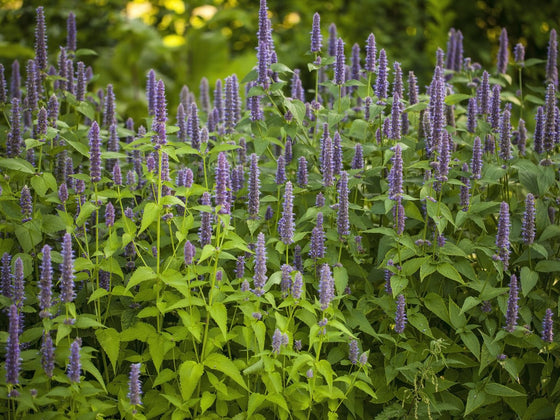
Anise Hyssop
How to grow anise hyssop in Australia from seed: surface sowing, free-draining soil, sowing months for six zones, cutting back, and picking leaves and flowers.
| Position | Full sun or light shade |
|---|---|
| Depth | Surface, or 1 mm |
| Spacing | 30 to 40 cm apart |
| First pick | Leaves from about 10 weeks |
Anise
How to grow anise in Australia: when to sow in all six climate zones, sowing where it grows, spacing and watering, then harvesting and drying seed and leaves.
| Position | Full sun, sheltered from wind |
|---|---|
| Depth | 6 to 10 mm |
| Spacing | 25 to 30 cm apart |
| First pick | Seed 17 to 20 weeks from sowing |