
How to Grow Saltwort in Australia
Saltwort, or okahijiki, is a succulent annual grown for crisp, salty young shoots. Sow fresh seed 3 to 6 mm deep when the soil holds 20°C to 26°C; seedlings appear in 7 to 14 days. Thin to 10 to 15 cm and keep the soil evenly moist. Start cutting at 10 to 15 cm tall, usually 6 to 8 weeks from sowing, and stop once it flowers.
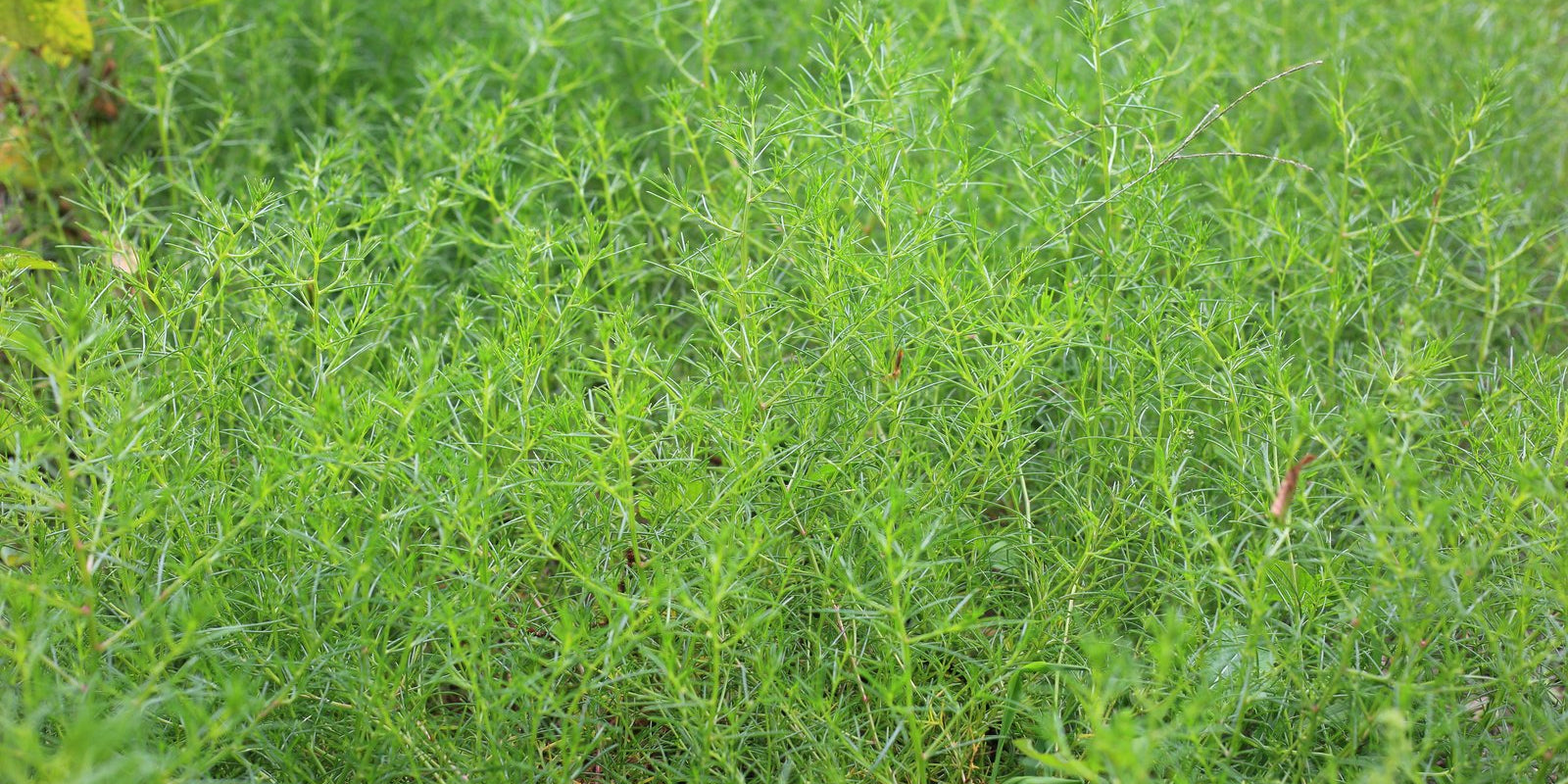
| Sun | Full sun to part shade |
|---|---|
| Water | Evenly moist; dry spells toughen stems |
| Soil | Loose, free-draining, with compost; tolerates salt |
| Feed | Light; half-strength liquid feeds, fortnightly |
| Spacing | 10 to 15 cm apart |
| Depth | 3 to 6 mm |
| Germination | 7 to 14 days at 20 to 26°C |
| Harvest | Shoots from 6 to 8 weeks |
| Container | Yes, 30 cm pot, 10 to 15 L |
| Frost | Tender; sow after the last frost |
| Use | Raw or blanched shoots, salads, stir-fries, sushi |
Saltwort (Salsola komarovii), called okahijiki or land seaweed in Japan, is a succulent annual of the amaranth family, Amaranthaceae. From the salty coasts of Japan, Korea, China and eastern Russia, it is grown for crisp, faintly salty shoots that are cut again and again. The mistake most gardeners make is letting it grow on too long, because older shoots turn woody and prickly.
Three mistakes that matter
- Sowing old seed. Saltwort seed stays viable for only about a year, so a packet kept from an earlier season may come up patchily or not at all. Sow seed soon after it arrives, and buy fresh for each season.
- Cutting too late. Shoots left to grow on turn woody with prickly tips, and once the plant flowers they are no longer good to eat. Cut young and often, as Harvesting Shoots explains.
- Letting the soil dry out. In the wild it survives salt and dry sand, but in the garden dry spells make the stems tough. Keep the soil evenly moist while you are cutting, as Care by growth stage sets out.
When to plant
Sow when the soil holds 20°C to 26°C, which usually means spring and early summer in the south and the milder months in the north. Seed can still come up anywhere from 10°C to 30°C, only more slowly. Plants toughen as they age, so sow a small batch every two weeks or so for a steady supply.
| Zone | Example cities | Sow | Harvest | Notes |
|---|---|---|---|---|
| Tropical | Darwin, Katherine NT; Cairns, Townsville QLD; Broome WA | Apr-Aug | Jun-Oct | Sow in the cooler dry season. Wet season heat and humidity bring poor germination and seedling rot. |
| Subtropical | Brisbane, Gold Coast, Bundaberg QLD; Coffs Harbour, Lismore NSW | Mar-Sep | May-Nov | Sow through the mild, drier months; avoid humid midsummer, when fewer seeds come up and seedlings rot. |
| Arid and semi-arid | Alice Springs NT; Broken Hill, Dubbo NSW; Mildura VIC; Kalgoorlie WA | Sep-Nov and Mar | Nov-Jan and May | Sow in spring once frosts end, or in March to cut before they start. Mulch and give afternoon shade. |
| Temperate | Sydney, Newcastle, Wollongong NSW; Melbourne, Geelong VIC | Sep-Jan | Nov-Mar | In Melbourne, wait for warm soil in October. Sowings after January meet shortening days and flower early. |
| Mediterranean | Perth, Bunbury WA; Adelaide and the SA coast | Sep-Dec | Nov-Feb | Sow in spring for cutting before summer turns hot and dry; keep plants mulched and well watered. |
| Cool and alpine | Hobart, Launceston TAS; Canberra ACT; Ballarat VIC; Orange NSW | Oct-Jan | Dec-Mar | Start seed under cover in October; plant out after the last frost, often around Melbourne Cup weekend. |
At the cool edge of a window, start seed under cover on a seedling heat mat and plant out after the last frost. In midsummer heat fewer seeds come up and seedlings are more likely to rot. Late summer sowings run into shortening days and the plant's flowering season, so their shoots toughen quickly.
Site, soil and setup
Left uncut, saltwort grows 20 to 50 cm tall by the time it flowers.
| Factor | Setup |
|---|---|
| Light | Full sun to part shade, with good air movement |
| Soil | Loose, free-draining soil rich in organic matter; it tolerates sand and salt, but soil that dries out hardens the stems |
| pH | 6.0 to 7.5, slightly alkaline suits it; if a test reads below 6.0, apply garden lime or dolomite lime at 100 to 200 g per square metre, 4 weeks before sowing |
| Bed preparation | Dig in a 5 cm layer of compost before sowing; no manure or extra fertiliser is needed |
| Drainage | On heavy clay, grow it in a raised bed or a pot |
| Rotation | Do not grow it in the same spot again for 1 to 2 years, and rotate it with its relatives beetroot, silverbeet and spinach as one family group |
Is it a weed?
No Australian state or territory lists saltwort as a declared weed, and Western Australia rates it permitted across the state. The declared lists of the other states and territories name no Salsola at all. Its relative roly-poly (Salsola australis, long named Salsola tragus in Australia) is a native tumbleweed that farmers treat as a crop weed. Saltwort can self-seed, so pull plants once they flower, before any seed ripens.
| State or territory | List checked | Saltwort |
|---|---|---|
| Western Australia | Western Australian Organism List | Permitted for the whole state |
| South Australia | Declared plants under the Landscape South Australia Act | Not listed |
| Victoria | Declared noxious weeds | Not listed |
| New South Wales | State and regional priority weeds, every region | Not listed |
| Queensland | Prohibited and restricted invasive plants | Not listed |
| Tasmania, Northern Territory and ACT | Declared weeds and declared pests | Not listed |
Container growing
A pot on a sunny step keeps a cutting supply close to the kitchen. Use a pot at least 30 cm across that holds 10 to 15 L, with drainage holes, and fill it with vegetable potting mix. It is sold as the species, with no compact varieties to choose between. Sow straight into the pot and thin to the spacing Sowing Seeds gives.
- Water: whenever the top of the mix feels dry, until water runs from the drainage holes. See watering pots in summer.
- Feed: fish and seaweed blend at half strength, about 12 mL per 9 L, fortnightly once you start cutting.
- Position: full sun, or morning sun with afternoon shade in hot inland summers.
- Handling mix: potting mix can carry Legionella bacteria, so dampen it first, wear gloves and a P2 mask, and wash your hands afterwards.
Sowing Seeds
Sow fresh saltwort seed straight into the bed or pot where it will grow, or raise it in a tray for planting out.
Sowing direct
- Sow seed about 2 cm apart, 3 to 6 mm deep, in rows 30 cm apart.
- Keep the surface damp but not wet; seedlings usually appear in 7 to 14 days.
- Thin in stages to 10 to 15 cm apart, and eat the thinnings.
For cutting young, a thickly sown row can be left unthinned, because saltwort keeps growing even when crowded.
Starting under cover
- Fill a tray or punnet with fresh seed-raising mix and sow 3 to 6 mm deep.
- Keep it warm, ideally on a heat mat, at the soil temperature When to plant gives.
- Water lightly and give seedlings air, because wet, crowded trays invite damping off (seedlings rotting at soil level).
- Plant out when seedlings are 8 to 10 cm tall, 10 to 15 cm apart.
Harden seedlings off first (get them used to outdoor sun and wind a little more each day) for about a week. See hardening off seedlings.
Care by growth stage
Steady moisture decides this crop: a plant kept evenly moist usually goes on making soft shoots for longer.
| Stage | Water | Feed | Watch for |
|---|---|---|---|
| Germination, weeks 1 to 2 | Keep the surface damp, never soggy | No feed before true leaves appear | Seedlings collapsing at soil level |
| Seedlings, weeks 2 to 5 | Water when the surface dries | Seaweed solution at half strength, 15 mL per 9 L, fortnightly | Snails and slugs on young plants; aphids on shoot tips |
| Cutting, from about week 6 | Water deeply whenever the top 2 cm of soil is dry; mulch to hold moisture | Fish and seaweed blend at half strength, about 12 mL per 9 L, fortnightly | Stems hardening in dry spells |
| Flowering and decline | Keep watering steady while you still cut | No feed | Small flowers in the leaf joints; pull the plant before seed ripens |
Wild saltwort grows without any feeding, so feed lightly and never above half strength. If growth stalls in very poor sand, all-purpose controlled release granular (NPK around 14-5-10) scratched into the soil once, at the label rate, can help.
Pinching and Harvesting
There are two ways to cut saltwort, and both make it branch, so every branch gives another tender shoot.
- For a quick crop, cut whole young plants at harvest height, leaving 3 to 4 cm of stem to regrow for a second cut.
- For a longer supply, pinch out the growing tip at about 20 cm, then keep picking the soft top 10 cm of each side shoot.
- Replace plants with a fresh sowing once new growth comes up hard.
Companion planting
Saltwort is low and wants sun, so it shares a bed best with other low, sun-loving salad crops.
Grows well with
- Ice plant, another salty succulent that wants full sun, free drainage and regular light picking.
- Purslane, a low succulent green that also grows in full sun and is picked young.
Keep apart
- Tall crops such as sweet corn and sunflowers, which shade a plant that grows best in sun.
Harvesting Shoots
Start cutting at 10 to 15 cm tall, while the shoots are soft and bright green, usually 6 to 8 weeks from sowing.
- Pick the youngest shoots, which are the most tender.
- Cut little and often rather than waiting for a large harvest.
- Stop cutting a plant once flower buds form, because the stems become inedible.
Keep shoots unwashed in a plastic bag or sealed container in the crisper, where they usually last up to a week.
Eat young shoots raw in salads, or blanch them in boiling water for 1 to 2 minutes, cool them in iced water and dress them. Blanching removes some of its sharp, astringent edge. Short lengths sautéed briefly in oil or butter go well with fish, and raw sprigs garnish sushi.
Common problems
Few seedlings come up. Old seed or cold soil is the usual cause, so sow fresh seed once the soil reaches the temperature When to plant gives.
Shoots turn tough and spiky. Dry soil, cutting too late and shortening days all harden the stems, so water steadily, cut young and avoid late summer sowings.
Seedlings pop up in paths and beds. A plant left to flower has dropped seed, so pull the seedlings while they are small and remove the next crop before seed ripens.
Pests and diseases
Saltwort has few pest or disease problems, though aphids, snails and wet seed trays can still cause losses.
Aphids (superfamily Aphidoidea). Small sap-sucking insects cluster on the soft shoot tips, and colonies build quickly in warm weather. Hose them off with a firm jet of water, or spray an insecticidal soap labelled for vegetables, following its rate and withholding period. Read more
Garden snail (Cornu aspersum) and grey field slug (Deroceras reticulatum). They chew seedlings and young shoots, most often on damp nights. Hunt with a torch about two hours after dark, or set shallow beer traps. Read more
Damping off (Pythium species and Rhizoctonia solani). Seedlings rot at soil level and topple, most often in wet, crowded trays and in humid midsummer weather. Use fresh mix, water less often and thin seedlings. Read more
Prevention first
- Sow into fresh seed-raising mix in clean trays.
- Check shoot tips each time you cut, and squash small aphid colonies before they spread.
- Keep spare pots and thick mulch away from seedlings, because snails shelter in both.
- Thin to the spacing Sowing direct gives, so air moves between plants.
Tips
- In the cooler months, sow saltwort thickly in a tray under a grow light and cut it young as microgreens.
- Rinse cut shoots in a bowl of cold water rather than under a running tap, then lift them out, so grit settles to the bottom.
- A soil thermometer takes the guesswork out of sowing: wait until the bed holds the temperature When to plant gives.
Questions
Is saltwort a weed in Australia?
No state or territory lists Salsola komarovii as a declared weed, and Western Australia rates it permitted across the state. Its native relative roly-poly is a tumbleweed that farmers manage as a crop weed. Saltwort can self-seed, so pull plants once they flower, before seed ripens.
Is saltwort the same as samphire or agretti?
No. Samphire is a different salty plant from another genus. Agretti is Salsola soda, a larger relative sometimes sold under similar names. The saltwort grown as okahijiki is Salsola komarovii, a smaller plant with neat, needle-like leaves.
Does saltwort need salty soil or salt water?
No. It grows well in ordinary garden soil watered with fresh water. It tolerates salt, but adding salt to a garden bed harms the soil and the plants around it.
Why are my saltwort shoots tough and prickly?
The shoots were cut too late, the soil dried out, or the days are getting shorter. Cut shoots when plants are 10 to 15 cm tall, keep the soil evenly moist, and sow a fresh batch for new, tender growth.
What does saltwort taste like, and can you eat it raw?
Young shoots are crisp and juicy with a mild, salty taste. Eat them raw in salads, or blanch them in boiling water for 1 to 2 minutes, cool them in iced water and dress them.
Grow it
More herbs to sow in September
All herbs
Agrimony
How to grow agrimony in Australia from seed: chilling the burrs, sowing months for six climate zones, sun and soil, cutting back, harvest, history and safety.
| Position | Full sun, light shade tolerated |
|---|---|
| Depth | 5 mm |
| Spacing | 30 cm apart |
| First pick | Summer; 12 to 18 weeks from spring sowing |

Angelica
How to grow angelica in Australia from seed: fresh or chilled seed sown on the surface, part shade, months for six climate zones, stems, history and safety.
| Position | Part shade, morning sun |
|---|---|
| Depth | Surface; press in, uncovered |
| Spacing | 50 to 90 cm |
| First pick | Stems at about 18 months |
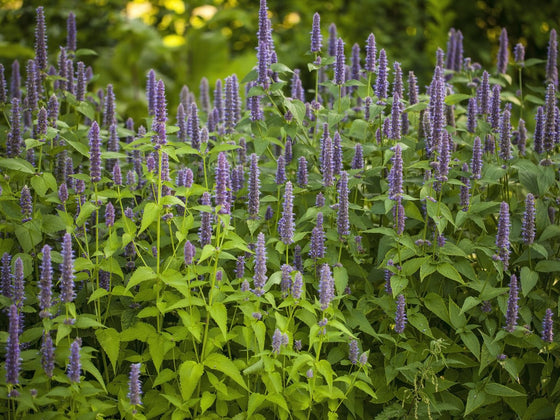
Anise Hyssop
How to grow anise hyssop in Australia from seed: surface sowing, free-draining soil, sowing months for six zones, cutting back, and picking leaves and flowers.
| Position | Full sun or light shade |
|---|---|
| Depth | Surface, or 1 mm |
| Spacing | 30 to 40 cm apart |
| First pick | Leaves from about 10 weeks |
Anise
How to grow anise in Australia: when to sow in all six climate zones, sowing where it grows, spacing and watering, then harvesting and drying seed and leaves.
| Position | Full sun, sheltered from wind |
|---|---|
| Depth | 6 to 10 mm |
| Spacing | 25 to 30 cm apart |
| First pick | Seed 17 to 20 weeks from sowing |