
How to Grow Rue in Australia
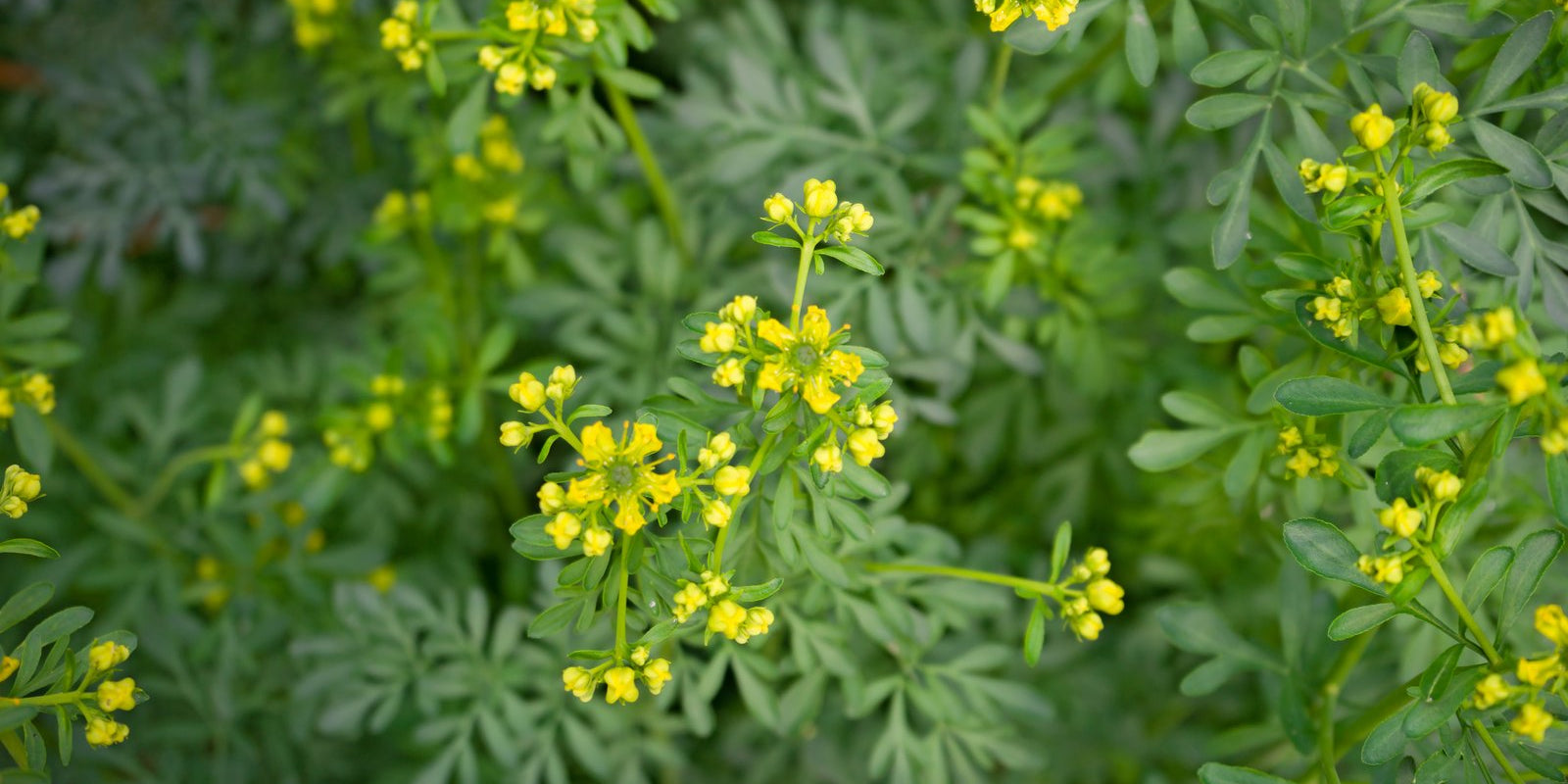
Rue is a small evergreen shrub of the citrus family grown for its blue-grey, strongly scented foliage. Press the seed onto damp mix without covering it and keep it warm and bright. Plant out 45 to 60 cm apart in full sun and lean, free-draining soil. Feed little, trim each spring, and always wear gloves and long sleeves, because the sap blisters skin in sunlight.
| Sun | Full sun |
|---|---|
| Water | Low once established; deep soak in long drought |
| Soil | Lean, sharply drained; pH 5.8 to 8.0 |
| Feed | Minimal; compost and half-strength feeds only |
| Spacing | 45 to 60 cm apart |
| Depth | Surface; press in, do not cover |
| Germination | 1 to 3 weeks at 18 to 25°C |
| Harvest | Leaves from about 16 weeks |
| Container | Yes; at least 20 L, 35 cm wide |
| Frost | Frost hardy once established |
| Use | Blue-grey foliage, herb and knot gardens, borders |
Rue (Ruta graveolens, family Rutaceae) is a small, evergreen, semi-woody shrub of the citrus family. It is grown for its blue-grey, finely divided, strongly scented leaves and clusters of small yellow summer flowers. The store sells rue seeds of the common species, which forms a mound 60 to 90 cm tall. It thrives on neglect in lean, free-draining soil and full sun, from Perth to Hobart. The mistake that hurts gardeners is handling it bare-armed: its sap can blister skin that then meets sunlight.
Three mistakes that matter
- Handling it with bare skin. Sap on the skin followed by sunlight, even on a cloudy day, can raise blisters within one to two days. Dark marks can linger for months. Wear gloves and long sleeves for every job, as Safety explains.
- Burying the seed. In a Brazilian trial, seed left on the surface came up better than seed covered by 5 or 10 mm of soil. Press it onto damp mix and keep it in the light, as Germinating the seed describes.
- Rich, wet soil. Rue rots at the root in soil that stays wet, and it lives longer and shrugs off frost better in poor, dry ground. Plant it in full sun with sharp drainage, and feed it very little.
When to plant
Warmth decides when rue seed comes up. Trays held at 18 to 25°C usually show seedlings in one to three weeks, and one laboratory study found the best rate at 30°C. That puts the main window in spring in the south and in autumn and late winter in warm zones. One sowing is enough, because each plant lasts about five years and often self-sows.
| Zone | Example cities | Sow | Harvest | Notes |
|---|---|---|---|---|
| Tropical | Darwin NT; Cairns, Townsville QLD; Broome WA | Apr-Jun | Jul-Nov | Sow early in the dry season; grow in a raised bed or pot, as wet-season rain can rot roots. |
| Subtropical | Brisbane, Gold Coast, Sunshine Coast QLD; Coffs Harbour, Lismore NSW | Mar-May and Aug-Sep | Sep-May | Sow as trays cool in autumn or warm in late winter; sharp drainage carries plants through humid summers. |
| Arid and semi-arid | Alice Springs NT; Broken Hill, Dubbo NSW; Mildura VIC; Kalgoorlie WA | Mar-Apr and Aug-Oct | Oct-May | Suits hot, dry sites once settled; water seedlings through the first summer and shelter them from hot wind. |
| Temperate | Sydney, Newcastle, Wollongong NSW; Melbourne, Geelong VIC | Sep-Nov and Mar-Apr | Nov-May | Sow once trays hold 18°C in spring, or in early autumn so plants settle before winter. |
| Mediterranean | Perth, Bunbury WA; Adelaide and the SA coast | Mar-May and Sep-Oct | Oct-May | Autumn sowings establish on winter rain; established plants need little summer water. |
| Cool and alpine | Hobart, Launceston TAS; Canberra ACT; Ballarat VIC; Orange, Armidale NSW; Stanthorpe QLD | Sep-Nov | Dec-Apr | Start seed indoors in warmth and plant out after the last frost; mulch roots lightly in winter. |
At the cool edge of a window, start seed indoors on a heat mat and plant out once frosts have passed. In the far north, sow early in the dry season so plants settle well before the wet season build-up.
Site, soil and setup
Rue comes from south-eastern Europe, where it grows on rocky, well-drained ground, and it does best when the garden copies that. Give it the hottest, sunniest, best-drained corner you have, and keep it back from paths where bare legs brush past.
| Get the bed right | What to do |
|---|---|
| Light | Full sun for compact growth; light shade is tolerated |
| Soil | Sandy, loamy, gravelly or rocky soil; poor soil is fine if it drains sharply |
| pH | About 5.8 to 8.0; acid, neutral and alkaline soils all suit, so no correction is needed |
| Preparation | On very poor sand, dig in a 5 cm layer of compost; no manure |
| Drainage | On clay that stays wet after rain, build a mound or raised bed |
| Room | 45 to 60 cm between plants, the wider spacing in warm, humid districts |
| Rotation | None: a long-lived perennial for a border, herb garden, knot or rockery, not the vegie rotation |
Container growing
A pot suits rue well: it gives perfect drainage and keeps the plant away from children and passing skin. Give one plant a pot of at least 20 L and 35 cm across, filled with a premium potting mix. A heavy terracotta pot dries out evenly and stops a full-grown plant tipping over.
- Watering: water when the top 3 to 5 cm of mix is dry, and never leave the pot standing in a saucer of water.
- Feeding: fish and seaweed blend at half strength, about 12 mL per 9 L, fortnightly in spring and summer, only if leaves look pale.
- Position: full sun on a patio or step, set where people do not brush against it.
- Renewal: pot a plant on, or replace it with a rooted cutting, once roots fill the pot.
Germinating the seed
Rue seed is one of the easier traditional herbs to raise. It needs no special treatment: fresh seed asks only for warmth, moisture and light. A thousand seeds weigh about 2 g, so each seed is small but easy to handle. A packet of 50 gives far more plants than most gardens need.
Seed testers in Brazil chill rue seed for seven days at 5°C, a step their rules list for breaking dormancy. Chilled that way and kept at 20°C under constant light, seed on paper wetted with plain water gave 82 per cent within four weeks. In a Tunisian study, germination peaked at 30°C and reached 88 per cent within ten days. At home, sow two seeds for each plant you want and expect most to come up.
| Treatment | How | How long | Temperature | What success looks like |
|---|---|---|---|---|
| None needed: surface sow in light | Press the seed onto damp seed raising mix without covering it; mist or water from below; bright light but no hot direct sun | Usually 1 to 3 weeks | 18 to 25°C; a heat mat helps in cool weather | Green seed leaves, then the first lobed, blue-green true leaves |
| Optional short chill | Mix the seed with a teaspoon of damp sand in a sealed bag in the fridge, then scatter the sand and seed onto the tray | 7 days in the fridge | About 5°C in the fridge; then about 20°C | An even stand, the way seed testers start their tests |
No source names a chemical treatment for this species, and none is needed. For more on seed treatments in general, see soaking, scarification and cold stratification.
When nothing comes up
- Buried too deep. Seed under a layer of mix emerges poorly. Sow again on the surface, pressed in, in bright light.
- Dried out. Surface seed dries fast. Cover the tray with clear plastic or glass until the first leaves show.
- Too cold. A winter windowsill can hold seed back for weeks. Move the tray to a heat mat or a warm, bright spot.
- Old seed. Rue seed stores well, but it keeps best cool and dry, not on a warm shelf. Sow within two to three years.
- Given up too soon. Keep the tray moist, warm and in the light for four weeks before sowing again.
Sowing Seeds
Start rue in trays for the most even stand, or sow it where it is to grow once the soil is warm. Both routes begin with seed pressed onto the surface, as Germinating the seed explains, and gloves for handling the seedlings.
Starting in trays
- Fill a punnet or cell tray with fresh seed raising mix, firm it lightly and water it well.
- Press two seeds into each cell, uncovered, and mist the surface.
- Stand the tray in bright, indirect light at the warmth given in When to plant, and keep the surface just moist.
- Thin each cell to the strongest seedling once true leaves appear, wearing gloves.
- Start trays about seven weeks before you plan to plant out.
Sowing direct
Rake the bed fine and level, water it, then scatter the seed thinly and press it onto the surface with the back of a rake. Mist daily until seedlings show, then thin them in stages to 45 to 60 cm apart. Seedlings about 5 cm tall move well to a fresh spot.
Planting out
- Plant out when seedlings stand 5 to 8 cm tall with several true leaves, after the last frost.
- Harden off first (stand the pots outdoors a little longer each day for a week, so they adjust to sun and wind).
- Wear gloves and long sleeves, and plant at the same depth as in the pot.
- Water in with seaweed solution at half strength, 15 mL per 9 L.
- Water twice a week until new growth shows, then only in long dry spells.
More on the step from pot to garden is in hardening off seedlings before planting out.
Care by growth stage
Drainage and restraint decide how well rue grows. Over-feeding reduces the essential oils that give rue its scent and makes it soft and floppy, so feed at half strength at most.
| Stage | Water | Feed | Watch for |
|---|---|---|---|
| Seedling, weeks 0 to 7 in the tray | Keep the mix just moist; mist or water from below | Seaweed solution at half strength, 15 mL per 9 L, fortnightly from the first true leaves | Damping off (seedlings rotting at soil level); drying out; stretching in low light |
| Young plant, from planting out until settled | Water deeply twice a week, then when the top few centimetres are dry | A handful of worm castings in each planting hole | Snails and slugs at night; wilting in hot wind |
| First summer | A deep soak only when the soil is dry well below the surface | None | Aphids on soft tips; floppy growth in rich soil |
| Autumn and winter | Little or none; rain is usually enough | None | Soggy soil and root rot; in cold districts, a light mulch over the root zone |
| Established plant, each spring | Occasional deep water in long dry spells | A 5 cm compost mulch on poor sand, kept clear of the stems | Fresh shoots breaking along the stems, the cue to trim |
| The weeks before picking | Keep watering as usual right up to picking | None | Flower buds forming: pick leaves before they open |
If growth stalls in very poor sand, a light application of all-purpose controlled release granular (NPK around 14-5-10) scratched in each spring can help.
Trimming and Cutting Back
A yearly trim keeps rue dense and stops it sprawling open in the middle. Trim in the evening, in gloves and long sleeves, and wash your skin afterwards.
- Cut back in early spring, once fresh shoots start breaking along the old stems.
- Cut to just above those shoots, into the old wood if the plant has grown leggy.
- Pinch the tips of young plants in spring for bushier growth.
- Cut off spent flower heads before the seed heads ripen, unless you want seedlings.
- Take cuttings of young shoots in spring to replace an old plant.
Cuttings root readily: see how to take cuttings for the method.
Companion planting
Choose neighbours that want the same sun and lean, dry soil, and keep rue out of the vegie beds.
Grows well with
- Lavender, another grey-leaved shrub for hot, dry, free-draining ground.
- Thyme, a low edging that suits the same poor soil and full sun.
- Rosemary, which takes drought and sharp drainage in the same way.
Keep apart
- Vegetable seedbeds: in one study, rue leaves in soil held back germination of radish and tomato and seedling growth of those two, zucchini and cauliflower.
- Paths, play areas and gates, where bare skin brushes the foliage.
Rue is often planted beside roses to keep insects away. In a replicated garden trial in the United States, roses interplanted with rue carried no fewer Japanese beetles than roses grown alone.
Harvesting Leaves
Pick leafy shoot tips once a plant is bushy, usually from about 16 weeks after sowing, and take them before the flower buds open.
- Wear gloves and long sleeves, and pick late in the day.
- Take no more than a third of a plant at one picking.
- Cut the soft upper shoots with secateurs, and discard yellowed or damaged leaves.
- Tie loose bunches and hang them in an airy, shaded place indoors.
- Dry until the leaves are crisp and crumble when rubbed.
- Wash gloves, secateurs and any bare skin with soap and water afterwards.
Store dried leaves in a closed, labelled jar in a cool, dry, dark place, well away from kitchen herbs. The leaves and sap carry furanocoumarins (psoralens): see Safety.
Traditional use and history
Rue is native to south-eastern Europe and the Balkans, and it is grown in gardens across temperate and tropical regions. Maud Grieve, in her 1931 herbal, records that the Romans brought it to England. She calls it one of the oldest English garden plants.
| Tradition | Name | Part | What the tradition recorded |
|---|---|---|---|
| Ancient Greece and Rome | Ruta | Leaves | Hippocrates commended it, and Greeks counted it an herb against magic and witchcraft |
| Medieval Europe and England | Herb of grace, herbygrass | Sprigs | Brushes of rue sprinkled holy water before High Mass, and sprigs were thought to guard against witches |
| English courts | Rue | Sprigs | Judges at the assizes had sprigs placed on the bench against gaol fever carried in from the cells |
| Heraldry | Rautenkrone (crown of rue) | Leaves | A chaplet of rue crosses the arms of Saxony, and rue sprigs are worked into the collar of the Order of the Thistle |
| Spain and Latin America | Ruda, arruda | Whole plant | Grown in gardens in the belief that it protects the household against evil and bad luck |
The name herb of grace probably comes from those holy water brushes. Shakespeare used it twice. Ophelia hands out rue in Hamlet, and a gardener in Richard II plants a bank of rue, the sour herb of grace. Grieve places that second passage in Richard III, a slip.
European herbalists also recorded rue as a household herb against fleas and other insects. Cooks in some European countries once added it to salads and bitter aperitifs. Its long record of medicinal use has faded, and the Missouri Botanical Garden notes that doubts over effectiveness and safety discourage it.
Safety
Happy Valley Seeds sells rue as seed for growing, as an ornamental. Nothing here is advice to eat or take any part of the plant. Anyone considering using a plant should first seek advice from a qualified health practitioner.
| Topic | What the sources say |
|---|---|
| Toxicity | All parts contain the active compounds, mostly in the leaves before flowering. The World Health Organization's poisons monograph names furanocoumarins (psoralens, including bergapten and xanthotoxin), alkaloids and an essential oil. Swallowing the plant can cause vomiting, stomach pain, seizures, and liver and kidney failure, and deaths are recorded. LiverTox, the United States liver injury database, has no entry for rue, so it gives no likelihood score. |
| Pregnancy and breastfeeding | Do not grow or handle it if pregnant, as the store's own listing says. Poisons sources record uterine bleeding, miscarriage and deaths in women who took rue to end a pregnancy. A university herbal safety sheet advises against internal use while breastfeeding. |
| Interactions with medicines | The World Health Organization monograph records no data on interactions. A university herbal safety sheet warns it may add to the effect of blood pressure medicines. Anyone taking medicines should ask a doctor or pharmacist before using any plant. |
| Skin and allergy | The sap causes phytophotodermatitis: skin touched by the plant and then exposed to sunlight turns red and blisters, usually 24 to 48 hours later. Dark marks can last months or years. Even cloudy daylight carries enough ultraviolet light to start the reaction. Some people also react to the plant without sun. It is a phototoxic burn, not an allergy. |
| Pets and livestock | The ASPCA's lists of plants toxic to dogs, cats and horses do not include rue, and no veterinary source read describes poisoning in animals. The same compounds that poison people are in the leaves, so keep pets and stock from chewing it, and call your vet if one does. |
| Legal status | Not on the declared or prohibited weed lists of New South Wales, Victoria, Queensland, South Australia, Tasmania, the Northern Territory or the ACT. The Western Australian Organism List gives it as permitted. The store has no shipping restriction on this seed. |
Two plants share the name: goat's rue (Galega officinalis) is a legume, and meadow rue (Thalictrum species) belongs to the buttercup family. Neither is this plant, so check the botanical name. If someone collapses, stops breathing or has a seizure, call triple zero (000). For any suspected poisoning, call the Poisons Information Centre on 13 11 26 without waiting for symptoms.
Common problems
No seedlings. Usually seed buried too deep, kept too cold or allowed to dry out; see Germinating the seed and its list, When nothing comes up.
Tall, pale, floppy seedlings. Too little light on a windowsill stretches them, so move trays to brighter light and turn them daily. Read more
Plants that collapse in wet ground. Root rot follows soil that stays wet, most often on clay or in a pot without drainage; see Three mistakes that matter.
Open, sprawling plants. Shade and rich soil both make rue loose and floppy, so move it into full sun, stop feeding and trim it hard in spring.
Old plants dying out. Rue is short-lived (see When to plant), so keep a rooted cutting or a self-sown seedling coming on.
Seedlings everywhere. Cut off spent flower heads before the seed ripens, and pull unwanted seedlings in gloves.
Pests and diseases
Rue has no serious pest or disease problems of its own, so trouble is most likely at the seedling stage.
Damping off (Pythium species and Rhizoctonia solani). Seedlings rot at soil level and collapse, most often in wet, crowded trays. Use fresh seed raising mix and clean trays, avoid overwatering and thin seedlings for air flow. Read more
Green peach aphid (Myzus persicae). This widespread aphid has been recorded infesting farmed Ruta chalepensis, a close relative, in Brazil, so check soft rue tips in spring. Hose colonies off with a strong jet, or squash them by hand in gloves. Read more
Common garden snail (Cornu aspersum) and grey field slug (Deroceras reticulatum). Both graze seedlings at night in damp weather. Hand-pick them after dark, or scatter an iron-based snail bait thinly as the label directs. Read more
Prevention first
- Keep seed trays clear of rain and hose splash, which spread damping off.
- Water the soil, not the leaves, and let established plants dry out between waterings.
- Check soft shoot tips weekly through spring and summer.
- Clear boards, leaf litter and loose pots from around seedlings, where snails shelter.
Tips
- Keep a pair of gloves and a long-sleeved shirt near the rue bed, so no quick job is done bare-armed.
- Clip young plants into a low hedge for a knot garden: rue takes regular trimming and keeps its blue-grey colour all year.
- Label every plant with its botanical name, because rue, goat's rue and meadow rue are easily confused at the nursery.
Questions
Why did my rue seeds not come up?
Check first whether they were buried or kept cold. Rue seed came up best on the surface in a Brazilian trial, so press it onto damp seed raising mix without covering it. Keep the tray at 18 to 25°C in bright light and moist. Seedlings usually show in one to three weeks.
Does rue need cold stratification before sowing?
No. Fresh rue seed germinates without any treatment when it is warm, moist and in the light. Brazilian seed testers chill it for seven days at about 5°C before testing, and you can copy that in the fridge, but it is optional.
Why does rue burn or blister the skin?
Its sap and leaves carry furanocoumarins (psoralens). Skin touched by the plant and then exposed to sunlight can redden and blister one to two days later, and dark marks can last months. Wear gloves and long sleeves, wash off any sap with soap and water, and keep that skin covered.
Is rue safe to grow around children and pets?
Grow it with care. All parts are poisonous if eaten, and the sap burns skin in sunlight. The ASPCA's toxic plant lists do not include rue, but keep pets and children away from it, and plant it clear of paths. Call your vet or the Poisons Information Centre on 13 11 26 if needed.
Is rue a declared weed anywhere in Australia?
No state or territory declares it, and the Western Australian Organism List gives it as permitted. Plants do self-sow, so cut off spent flower heads before the seed heads ripen if you do not want seedlings.
Is rue the same plant as goat's rue or meadow rue?
No. Rue is Ruta graveolens, a shrub of the citrus family. Goat's rue (Galega officinalis) is a legume, and meadow rue (Thalictrum species) belongs to the buttercup family. Check the botanical name on any seed or plant you buy.
Grow it
Choose a size to add it to your cart. You stay on this page.
- Rue seedsFrom $3.95

More herbs to sow in September
All herbs
Agrimony
How to grow agrimony in Australia from seed: chilling the burrs, sowing months for six climate zones, sun and soil, cutting back, harvest, history and safety.
| Position | Full sun, light shade tolerated |
|---|---|
| Depth | 5 mm |
| Spacing | 30 cm apart |
| First pick | Summer; 12 to 18 weeks from spring sowing |

Angelica
How to grow angelica in Australia from seed: fresh or chilled seed sown on the surface, part shade, months for six climate zones, stems, history and safety.
| Position | Part shade, morning sun |
|---|---|
| Depth | Surface; press in, uncovered |
| Spacing | 50 to 90 cm |
| First pick | Stems at about 18 months |
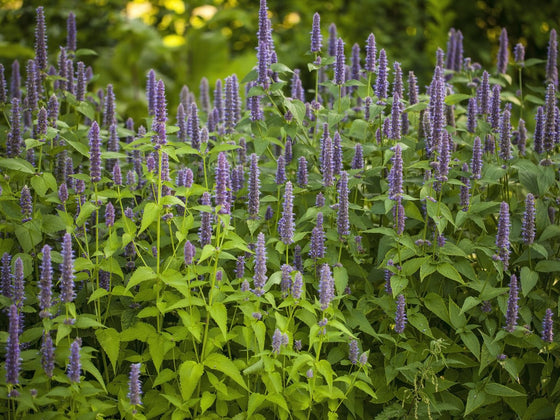
Anise Hyssop
How to grow anise hyssop in Australia from seed: surface sowing, free-draining soil, sowing months for six zones, cutting back, and picking leaves and flowers.
| Position | Full sun or light shade |
|---|---|
| Depth | Surface, or 1 mm |
| Spacing | 30 to 40 cm apart |
| First pick | Leaves from about 10 weeks |
Anise
How to grow anise in Australia: when to sow in all six climate zones, sowing where it grows, spacing and watering, then harvesting and drying seed and leaves.
| Position | Full sun, sheltered from wind |
|---|---|
| Depth | 6 to 10 mm |
| Spacing | 25 to 30 cm apart |
| First pick | Seed 17 to 20 weeks from sowing |