
How to Grow Cress in Australia
Cress covers garden cress, land cress and watercress, three peppery cool-season salad plants. Sow on or just under the surface in soil of about 10°C to 20°C. Give it sun through the cool months and part shade when it warms. Keep the soil constantly moist. Cut garden cress at 2 to 3 weeks, land cress from 7 to 8 weeks and watercress from 4 to 8 weeks.
| Sun | Sun to part shade |
|---|---|
| Water | Constantly moist; watercress stands in water |
| Soil | Moist, rich, well-drained; pH 6.0 to 7.5 |
| Feed | Light; fish and seaweed blend, fortnightly |
| Spacing | Close; watercress 20 cm apart |
| Depth | Surface to 5 mm |
| Germination | 2 to 14 days in cool soil |
| Harvest | From 2 weeks, by type |
| Container | Yes; trays, or 30 cm pots |
| Frost | Tolerates light frost; land cress hardier |
| Use | Peppery leaves raw in salads, sandwiches, soups |
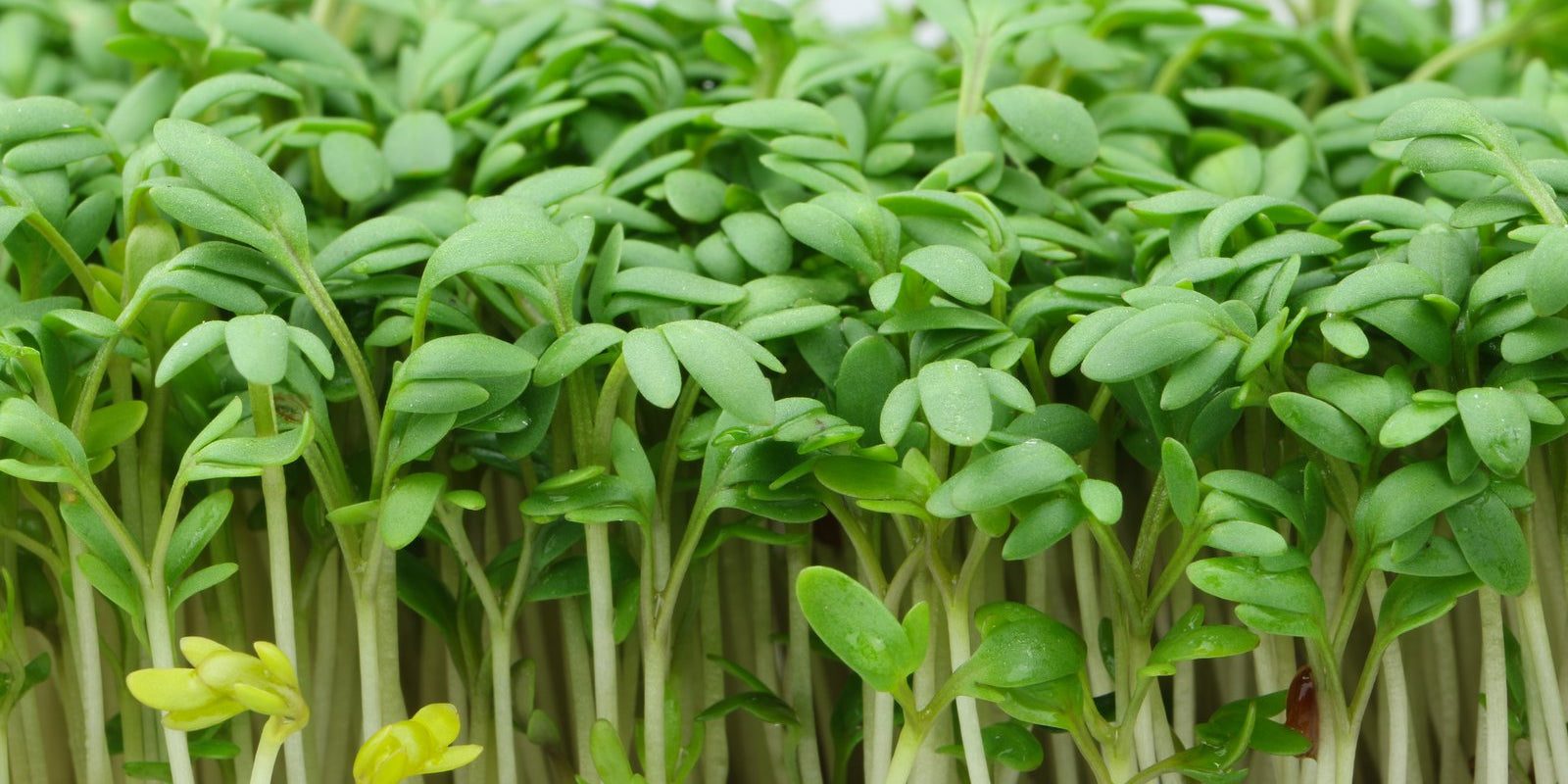
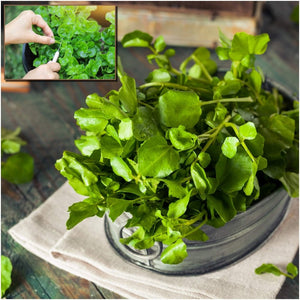
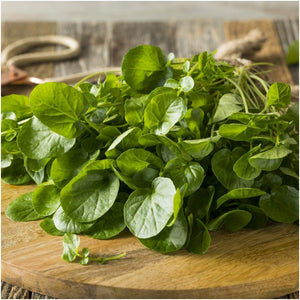
Cress is the shared name of three peppery salad plants in the cabbage family, Brassicaceae. They are garden cress (Lepidium sativum), land cress (Barbarea verna) and watercress (Nasturtium officinale). Garden cress can be cut two to three weeks after sowing. Land cress gives weeks of picking, and watercress grows in a pot standing in water. The flowering nasturtium and rocket are separate crops. The usual mistake is sowing cress into summer heat.
Three mistakes that matter
- Sowing into summer heat. Cress is a cool-season crop, and hot weather sends plants to flower early, after which the leaves lose their flavour. Sow in the cooler months, or give warm-weather sowings shade, as set out in When to plant.
- Letting the seedbed or pot dry out. Cress seed and its young roots sit in the top few millimetres of soil, so they dry out fast in warm, windy weather. Water lightly every day until plants are growing strongly.
- Burying or crowding the seed. Fine cress seed holds little stored energy, so seed sown deep may never reach the surface. Seed dropped in clumps stays wet and can rot. Scatter it thinly and barely cover it, as in Sowing Seeds.
When to plant
Cress germinates best in cool soil, about 10°C to 20°C, and grows best through the cooler months. Sow garden cress every week or two for a steady supply; land cress and watercress crop for weeks from one sowing.
| Zone | Example cities | Sow | Harvest | Notes |
|---|---|---|---|---|
| Tropical | Darwin NT; Cairns, Townsville QLD; Broome WA | Apr-Aug | May-Oct | Sow in the dry season only; wet-season heat sends cress to flower fast. Keep watercress shaded. |
| Subtropical | Brisbane, Gold Coast, Bundaberg QLD; Coffs Harbour, Lismore NSW | Feb-Oct | Mar-Dec | Autumn to spring suits cress best; February and October sowings need afternoon shade. |
| Arid and semi-arid | Alice Springs NT; Broken Hill, Dubbo NSW; Mildura VIC; Kalgoorlie WA | Mar-May and Aug-Oct | Apr-Dec | Sow either side of the summer heat; shade, mulch and daily water against drying winds. |
| Temperate | Sydney, Newcastle, Wollongong NSW; Melbourne, Geelong VIC | Feb-May and Aug-Nov | Mar-Jan | Summer sowings work in shade or on a windowsill; watercress crops best from autumn to spring. |
| Mediterranean | Perth, Bunbury WA; Adelaide and the SA coast | Mar-May and Aug-Oct | Apr-Dec | Winter rain suits cress; summer heat arrives dry and early, so shade late sowings. |
| Cool and alpine | Hobart, Launceston TAS; Canberra ACT; Ballarat VIC; Orange NSW | Sep-Apr | Oct-Jun | Frost slows growth, so start trays indoors in winter; late summer suits watercress sowing. |
At the hot edge of a window, sow in afternoon shade. A tray of garden cress on a bright windowsill grows at any time of year. At the cold edge, start trays indoors and move pots outside once hard frosts pass.
Site, soil and setup
Garden cress and land cress need moist soil that still drains, while watercress grows with its roots in mud or shallow water.
| Get the bed right | What to do |
|---|---|
| Position | Full sun from autumn to spring; afternoon shade from late spring. Watercress does best in morning sun or light shade |
| Soil | Loose, well-drained and rich in organic matter; for watercress, a bed that stays wet or a pot standing in water |
| pH | Garden cress prefers 6.0 to 6.7, watercress 6.5 to 7.5. Below 6.0, garden lime at 100 to 200 g per square metre, 4 weeks before sowing |
| Organic matter | A 5 cm layer of compost dug in before sowing |
| Base feed | Blood and bone at 100 to 150 g per square metre for land cress and watercress beds; garden cress cut young needs none |
| Rotation | Not where cabbage, broccoli, rocket or other cabbage-family crops grew last, since they share the same pests |
Keep watercress to tubs, ponds and damp garden beds. It already grows wild in waterways across Australia and is a common aquatic weed of lowland creeks and drains in southern Victoria.
Container growing
Use trays and pots with drainage holes. Garden cress needs only a shallow tray holding at least 2 cm of seed-raising mix. Land cress and watercress need a pot about 30 cm across, holding 10 to 15 L of premium potting mix. Stand the watercress pot in a tray or bucket holding 5 to 8 cm of water. For small spaces, 'Extra Curled' and 'Aqua Large Leaved' suit windowsill trays, 'American Upland' a pot, and 'True Water' a pot in water.
- Water: check trays every day, and water pots daily in summer heat. Tip out the watercress tray at least weekly, wipe it inside to remove mosquito eggs, and refill it with fresh water.
- Feed: fish and seaweed blend at 25 mL per 9 L, fortnightly, for land cress and watercress; trays of garden cress need none.
- Position: a bright windowsill for trays; morning sun and afternoon shade for pots outdoors.
Sowing Seeds
Sow cress straight into its bed, tray or pot; only watercress is worth raising first in small pots.
Choosing a type
| Type | Varieties | What it changes |
|---|---|---|
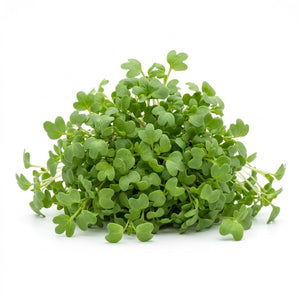
| Garden cress (Lepidium sativum), an annual | 'Extra Curled', 'Aqua Large Leaved', Cress (Organic) | The fastest. Cut as seedlings at 2 to 3 weeks, or grow on in rows and pick until about 7 weeks from sowing. 'Extra Curled' is slow to run to flower and grows 15 to 20 cm tall; 'Aqua Large Leaved' has broad, tender leaves |
| Land cress (Barbarea verna), a biennial | 'American Upland' | A dark green rosette that tastes like garden cress and stands cold well. Picked from about 7 to 8 weeks, and it regrows as outer leaves are cut |
| Watercress (Nasturtium officinale), a perennial | Watercress, 'True Water' | Needs constantly wet mix or shallow water. First cut about 4 to 8 weeks after sowing, then it regrows for months |
Sowing garden cress
- In trays, scatter seed thinly over damp seed-raising mix and press it in without covering it.
- In the garden, sow in rows 7 to 10 cm apart and cover lightly, no deeper than 5 mm.
- Keep the surface damp; seedlings emerge in 2 to 7 days.

Sowing land cress and watercress
Both have small seed and a slower start, so sow a pinch in each spot and thin later, as in Thinning. Watercress seedlings raised indoors need hardening off (getting used to sun and wind over about a week) before they go outside.
- Land cress: sow about 5 mm deep in rows 30 cm apart; seedlings emerge in 7 to 14 days.
- Watercress: sow on wet mix in small pots and barely cover, 1 to 2 mm deep; seedlings show in 5 to 14 days.
- Stand watercress pots in a saucer of water from the day of sowing.
- Plant watercress out at about 5 cm tall, 15 to 20 cm apart, into a wet bed or a pot in water.
Care by growth stage
Steady moisture and cool weather decide how long cress keeps cropping. Weeks count from sowing.
| Stage | Water | Feed | Watch for |
|---|---|---|---|
| Germination, weeks 1 to 2 | Keep the surface damp; mist trays daily | Nothing | Seed washed into clumps; mould on crowded trays |
| Seedling, weeks 1 to 3 | Water lightly every day; garden cress is cut at this stage | None for cut seedlings. Land cress and watercress: seaweed solution at half strength, 15 mL per 9 L, fortnightly, from the first true leaves | Snails at night; tall, pale seedlings |
| Leafy growth, weeks 3 to 8 | Keep beds evenly moist; watercress pots stand in water | Fish and seaweed blend at 25 mL per 9 L, fortnightly | Eggs and caterpillars under leaves; aphids on shoot tips |
| Picking, week 4 onwards (land cress from week 7) | Keep watering steady right through picking | Fish and seaweed blend, as above, while picking lasts | Flower stems; whitefly on watercress in warm weather |
If land cress or watercress stalls in poor soil, a light dose of all-purpose controlled release granular (NPK around 14-5-10) can help. Scratch it in at label rate. In hot spells, move trays and watercress pots into shade, which can lengthen the cropping season.
Thinning
Thin land cress and watercress once seedlings have their first true leaves, so the plants you keep grow broad rosettes and strong stems. Garden cress that will be cut as seedlings needs no thinning.
| Type | Thin to | Rows |
|---|---|---|
| Garden cress grown on | 2 to 5 cm for baby leaf, up to 10 cm for larger plants | 7 to 10 cm apart |
| Land cress | 8 to 15 cm apart | 30 cm apart |
| Watercress | 15 to 20 cm apart | Plant in clumps or a block |
- Snip unwanted seedlings at soil level with scissors, so the roots you keep stay undisturbed.
- Eat the thinnings in salads.
- Pinch out flower stems on land cress and watercress as they appear.
- Cut leggy watercress back to about 10 cm and let it regrow.
- Pull garden cress once it flowers and sow again.
Companion planting
Good neighbours give cress summer shade or confuse the cabbage white butterfly.
Grows well with
- Dill and coriander, whose strong scent helps confuse egg-laying cabbage white butterflies.
- Lettuce, which suits the same cool, moist bed and is not a cabbage white host.
- Tall amaranth or tomatoes on the sunny side, for afternoon shade in warm months.
Keep apart
- Cabbage, broccoli and kale, which share cabbage white caterpillars and aphids.
- Rocket and mustard, cabbage-family salad crops with the same pests.
- Land cress beside brassicas; grown at the far end of the garden, it lures egg-laying cabbage whites away from them. Pull and bin it once caterpillars build up, as they survive on it.

Harvesting Leaves
Cut garden cress with scissors when seedlings reach 5 to 8 cm, usually 2 to 3 weeks after sowing. Pick land cress once plants are established and about 10 cm high, and watercress from the age given in Choosing a type. Keep picking both before they flower.
- Cut garden cress seedlings in one go, then resow; a second cut is rarely worth the wait.
- Take the outer leaves of land cress with scissors and leave the centre to regrow.
- Snip watercress stems above a leaf joint, and the plant branches and regrows.
- Rinse all cress well before eating.

Cress is best eaten the day it is cut. Watercress keeps for about a week, washed and bagged in the fridge crisper. Eat cress raw in salads and sandwiches, or stir it through soup at the end of cooking.
Do not eat raw watercress picked from creeks. Water in grazing country can carry liver fluke (Fasciola hepatica), a parasite of sheep and cattle that occasionally infects people. Cress sprouted in a jar is a separate job. Like all raw sprouts, it can carry E. coli, Listeria and Salmonella, and even strict hygiene cannot make sprouts bacteria free. Tray-grown seedlings carry less risk, but people with lower immunity should avoid eating either raw.
Common problems
Plants flowering within weeks. Heat and dry soil push cress to flower early, and the leaves lose flavour; see Three mistakes, then resow in a cooler, shadier spot.
Tall, pale, floppy seedlings. Trays kept in too little light stretch towards the window; move the next tray to the brightest sill. Read more
Seedlings bunched in patches. Cress seed turns sticky once wet and clings together; mix it with dry sand before scattering. Read more
Slimy water and rotting stems. Stale, stagnant water around watercress roots lets them rot; change it as in Container growing.
Yellowing between the veins of new watercress leaves. Often iron shortage, most common in winter; confirm it, then apply a soluble trace element mix at label rate.
Pests and diseases
Cress shares the pests of cabbage and broccoli. Use only sprays labelled for the pest on leafy vegetables, and keep to any withholding period before picking.
Common garden snail (Cornu aspersum) and slugs. They feed at night and after rain, chewing seedlings and soft watercress leaves. Pick them off by torchlight and set beer traps among the plants. Read more
Cabbage white butterfly (Pieris rapae). Its blue-green caterpillars chew holes in watercress and land cress leaves. Cover plants with fine mesh and pick caterpillars off by hand. Read more
Cabbage aphid (Brevicoryne brassicae) and other aphids. Small sap-suckers cluster on shoot tips and leaf undersides, most often on watercress and land cress. Knock them off with a strong jet of water, or spray insecticidal soap under the leaves. Read more
Whitefly (Aleyrodidae). Tiny white insects rise from the undersides of watercress leaves in warm weather. Spray insecticidal soap under the leaves. Read more
Damping off (Pythium species and Rhizoctonia solani). Seed rots before it emerges, or seedlings collapse at soil level, most often in thick, wet trays. Thin crowded seedlings for airflow, and water only enough to keep the surface damp. Read more
Downy mildew (Hyaloperonospora parasitica). A fluffy white mass of spores grows under seed leaves, then black speckling shows above and leaves yellow. It attacks cabbage-family seedlings, watercress among them, most in the cooler months. Pull out badly infected seedlings. Read more
Prevention first
- Use clean trays and fresh seed-raising mix, since damping off spreads in old mix and on dirty tools.
- Check leaf undersides weekly for eggs, caterpillars and aphids.
- Clear logs, rocks and leaf litter from bed edges, where snails shelter.
- Water the mix rather than the leaves, and space trays so air moves between them.
Tips
- Grow cress heads with children. Pierce a drainage hole in empty eggshells, fill them with seed-raising mix, sprinkle seed on top and cut the green hair in about a week. See growing from seed with kids.
- Start watercress from stems: stood in a glass of water, they grow roots at the leaf joints and can then be potted up.
- Sow garden cress between slower crops such as carrots; it is cut long before they need the room.
Questions
What is the difference between garden cress, land cress and watercress?
They are three different plants in the cabbage family. Garden cress is a fast annual cut as seedlings or young plants. Land cress is a hardy biennial rosette picked leaf by leaf. Watercress is a perennial that needs constantly wet soil or shallow water. All three have the same peppery taste and prefer cool weather.
Can I grow watercress without a pond or running water?
Yes. Stand a pot of potting mix in a tray or bucket holding 5 to 8 cm of water, so the mix never dries. Tip out the water at least weekly, wipe the tray to remove mosquito eggs and refill it. Give it morning sun and afternoon shade, and move it into shade during hot spells.
Is it safe to eat wild watercress from a creek?
It is best avoided raw. Creek water in grazing country can carry liver fluke, a parasite of sheep and cattle that occasionally infects people. There is no way to see it on the leaves. Watercress grown at home in clean tap water avoids the risk.
Why has my cress gone to seed so quickly?
Heat and dry soil are the usual causes. Cress is a cool-season crop, and warm weather pushes it to flower, after which the leaves turn harsh. Sow in the cooler months, keep the soil moist, give warm-weather sowings afternoon shade, and resow garden cress every week or two.
How long does cress take to grow from seed?
Garden cress is ready to cut about 2 to 3 weeks after sowing, once seedlings reach 5 to 8 cm. Land cress is picked from about 7 to 8 weeks. Watercress gives its first cut about 4 to 8 weeks after sowing, then keeps regrowing for months.
Does cress grow back after cutting?
Land cress and watercress do: take outer leaves or stem tips and they regrow for weeks. Garden cress cut as seedlings seldom gives a worthwhile second cut, so sow a fresh tray every week or two instead.
Grow it
More vegetables to sow in September
All vegetables
Amaranth
How to grow leaf amaranth, or Chinese spinach, in Australia: sowing months for six climate zones, warm soil, thinning, picking, pests and cooking the leaves.
| Position | Full sun |
|---|---|
| Depth | 3 to 6 mm |
| Spacing | 15 cm apart |
| First pick | 4 to 8 weeks |

Artichoke
How to grow globe artichokes from seed in Australia: sowing, spacing, feeding, when to cut the buds, cutting back, cardoon, and sowing months for every zone.
| Position | Full sun |
|---|---|
| Depth | 10 mm |
| Spacing | 1 to 1.5 m apart |
| First pick | About 42 to 57 weeks |

Beetroot
How to grow beetroot in Australia: sowing months for all six climate zones, thinning the seed clusters, steady watering, harvest size and the pests that matter.
| Position | Full sun or part shade |
|---|---|
| Depth | 10 to 20 mm |
| Spacing | 10 cm apart after thinning |
| First pick | 7 to 12 weeks |
Bok Choy
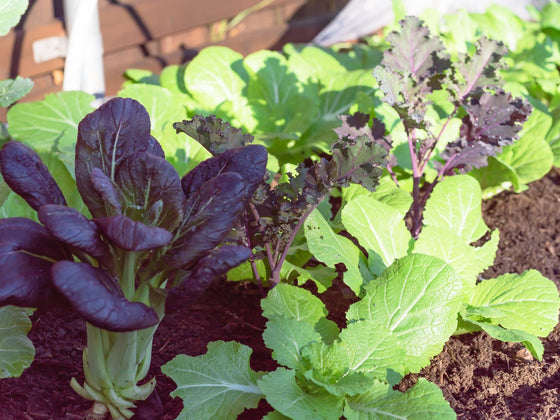
How to grow bok choy and pak choi in Australia: sowing months for all six climate zones, spacing by type, netting out caterpillars and stopping early bolting.
| Position | Full sun, afternoon shade when hot |
|---|---|
| Depth | 5 mm |
| Spacing | 15 to 30 cm by type |
| First pick | 6 to 8 weeks from sowing |