
How to Grow Globe Amaranth in Australia
Soak globe amaranth seed overnight, then sow it 3 to 5 mm deep once frost is over and the soil holds at least 20°C. Grow it in full sun and free-draining soil, 20 to 30 cm apart. Water deeply when the soil is dry 5 cm down. Flowers usually start 10 to 13 weeks after sowing, and heads for drying are cut fully coloured and open.
| Sun | Full sun, 6 to 8 hours |
|---|---|
| Water | Moderate; water deeply when dry 5 cm down |
| Soil | Free-draining, compost added, slightly acid to neutral |
| Feed | Light: compost and manure at planting, little after |
| Spacing | 20 to 30 cm |
| Depth | 3 to 5 mm |
| Germination | 7 to 21 days at 21 to 25°C |
| Harvest | 10 to 13 weeks |
| Container | Tall types: 20 L pot or larger |
| Frost | Frost-tender; plant out after the last frost |
| Use | Fresh and dried flowers, borders, pots, butterflies |
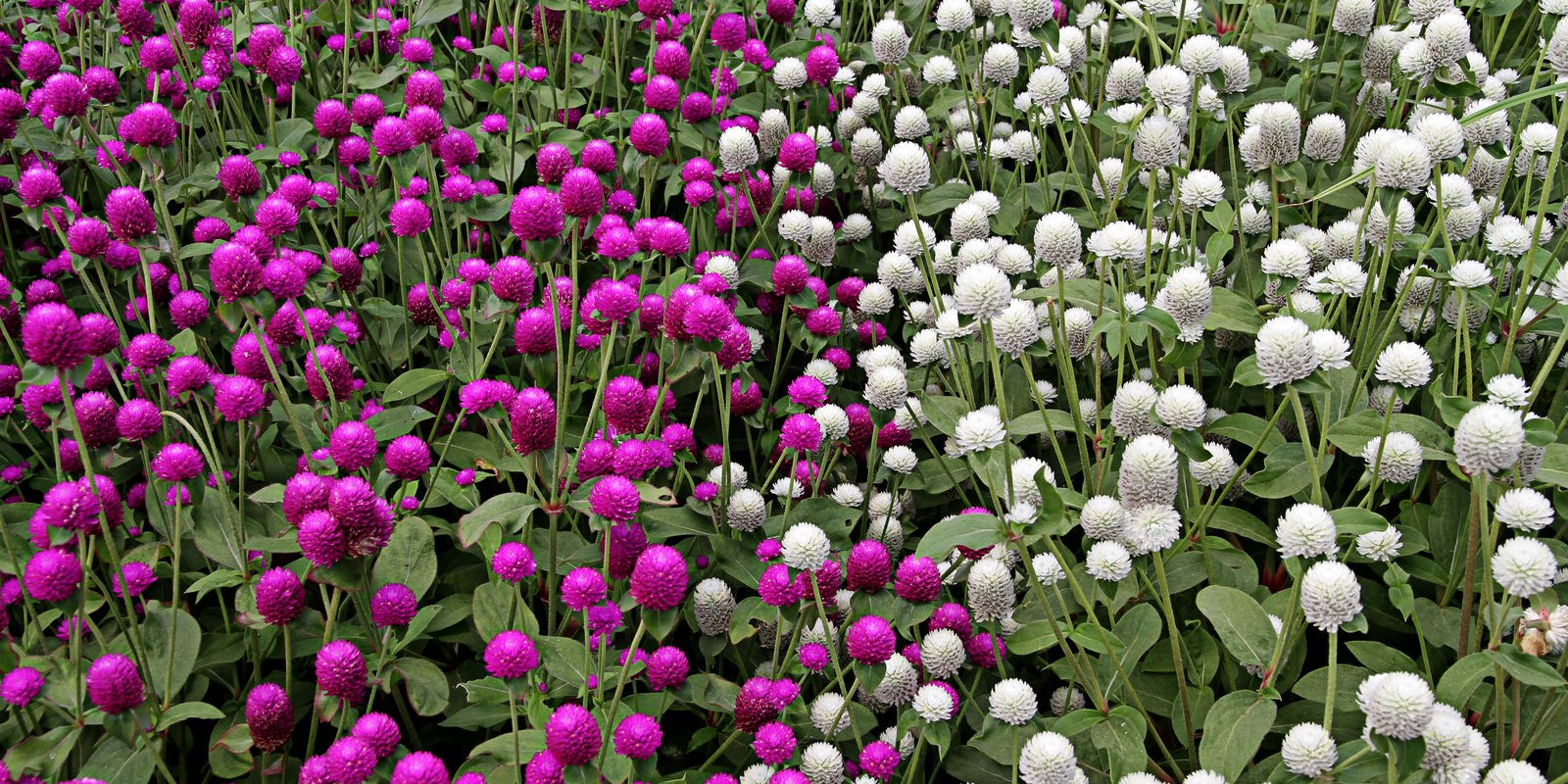
Globe amaranth (Gomphrena globosa) is a warm-season annual in the amaranth family, Amaranthaceae, grown for its papery, clover-like flower heads, fresh or dried. It takes heat and dry spells in its stride and flowers from summer until the first frost. Most failures start at sowing, when seed goes into soil that is still too cold.
Three mistakes that matter
- Sowing into cold soil. Globe amaranth is frost tender and will not grow away until the weather warms. Seed in cool soil comes up slowly, patchily or not at all. Wait for the soil temperature in When to plant, or start seed under cover.
- Sowing dry seed thinly. Germination is often low, so a row of single seeds can leave long gaps. Soak the seed first, as set out in Sowing Seeds, sow two or three at each spot, and thin to the strongest seedling later.
- Cutting heads too late for drying. Heads left on the plant start to lengthen and brown at the tips, and old heads can fall apart once dried. Cut them as soon as they are fully coloured and open, as set out in Harvesting and Drying Blooms.
When to plant
Sow once frost is over and the soil holds at least 20°C. Seed comes up best at 21 to 25°C, usually in 7 to 21 days. One sowing can flower from early summer until frost, so there is little need to sow in batches.
| Zone | Example cities | Sow | Harvest | Notes |
|---|---|---|---|---|
| Tropical | Darwin NT; Cairns, Townsville QLD; Broome WA | Mar-Aug | Jun-Nov | March and April are still wet season, so sow in raised beds; heavy rain waterlogs seedlings and spreads leaf spot. |
| Subtropical | Brisbane, Gold Coast, Bundaberg QLD; Coffs Harbour, Lismore NSW | Aug-Mar | Nov-Jun | A long window; sowings after March meet cooling soil and flower into winter, so wait for August. |
| Arid and semi-arid | Alice Springs NT; Mildura VIC; Broken Hill, Dubbo NSW; Kalgoorlie WA | Sep-Jan | Dec-May | Sow after the inland frosts; plants sown in late autumn meet May to August frosts. |
| Temperate | Sydney, Newcastle, Wollongong NSW; Melbourne, Geelong VIC | Sep-Jan | Dec-May | Sydney can sow direct from late September; Melbourne starts seed under cover in October. |
| Mediterranean | Perth, Bunbury WA; Adelaide SA | Sep-Jan | Dec-May | Sow once spring soil warms; heat arrives dry and early, so mulch at planting. |
| Cool and alpine | Canberra ACT; Hobart, Launceston TAS; Ballarat VIC; Armidale NSW | Sep-Nov | Jan-Apr | Start in trays under cover; plant out after the last frost, often Melbourne Cup weekend. |
Where spring is slow to warm, start seed under cover six to eight weeks before the last frost. Plants take about 10 to 13 weeks to flower, so stop sowing once that would carry them into autumn cold.
Site, soil and setup
Give globe amaranth full sun, ideally 6 to 8 hours a day, and soil that drains freely. It copes with poor, dry soil once established, but flowers longest where compost has gone in. Slightly acid to neutral soil suits it, up to about pH 7.5.
| Where | What to do |
|---|---|
| Every bed | Before sowing, dig in a 5 cm layer of compost with pelletised chicken manure at 100 g per square metre. |
| Heavy clay that stays wet | Build a raised bed or mound. Gypsum at 500 g to 1 kg per square metre helps only dispersive clay: drop a dry crumb in rainwater, and a milky cloud within 20 hours confirms it. |
| Sandy or inland soil that sheds water | Water in a wetting agent at the label rate before sowing. |
Where leaf spot has appeared, grow globe amaranth in a fresh bed the next year. The fungus survives in old plant debris in the soil, as described in Pests and diseases.
Container growing
All four lines in the range are tall types, so allow at least 20 L of fresh potting mix per pot. Even one small plant needs a pot at least 20 cm wide and deep, and every pot needs drainage holes.
- Watering: check pots daily in hot weather and water deeply when the mix is dry 5 cm down.
- Feeding: water in fish and seaweed blend at 25 mL per 9 L every fortnight from planting until the first flowers.
- Position: the hottest, sunniest spot you have, out of strong wind.
Sowing Seeds
Start globe amaranth in cells under cover where spring is cool, or sow it direct once the soil is warm.
Preparing the seed
Soaking speeds germination. Cover the seed with warm water and leave it overnight, or for up to two days, then sow it while it is still damp. Seed treatments explains why soaking works.
Starting under cover
- Sow two or three soaked seeds per cell of seed raising mix, 3 to 5 mm deep.
- Keep the mix just moist and warm; a seedling heat mat holds it at the temperature given in When to plant.
- Expect slow growth: seedlings can take a while to make true leaves, so keep them in bright light.
- Thin each cell to the strongest seedling once true leaves show.
- Harden off seedlings over about a week (moving them outdoors for longer each day so they adjust to sun and wind).
- Plant out after the last frost, once seedlings stand 5 to 10 cm tall, 20 to 30 cm apart, and water each one in well.
Sowing direct
- Sow two or three soaked seeds at each spot, 3 to 5 mm deep, with the spots 20 to 30 cm apart.
- Keep the surface damp but never soggy until seedlings appear.
- Thin to one seedling per spot once true leaves show.
- Mulch lightly with sugar cane or pea straw once seedlings stand about 5 cm tall.
Every line sold here is labelled Gomphrena globosa, though several references list 'Strawberry Fields' under a related species, Gomphrena haageana. Despite the Amaranth on the label, none is the leafy vegetable covered in the Amaranth guide.
| Line | Colour | Height | Notes |
|---|---|---|---|
| Tall Mix | White, pink and rosy red | 30 to 60 cm | Thimble-shaped heads 3 to 4 cm across, for fresh or dried bunches |
| Tall Rose | Rose | 30 to 60 cm | Same heads and habit as the mix, in one colour |
| Tall White | White | 30 to 60 cm | Same heads and habit, a quiet foil in mixed bunches |
| 'Strawberry Fields' | Bright red to orange-red | 45 to 70 cm | Long, straight stems for cutting; copes with humid heat |
Care by growth stage
Warmth matters more than feeding: once nights stay mild, plants grow steadily on moderate water and little food. Weeks count from sowing.
| Stage | Water | Feed | Watch for |
|---|---|---|---|
| Seedlings (weeks 1 to 4) | Keep the soil damp, watering gently at the base | Nothing until the first true leaves, then seaweed solution at half strength (15 mL per 9 L) fortnightly | Seedlings collapsing at soil level (see Common problems) |
| Young plants (weeks 4 to 9) | Water deeply at the base, early in the day, once the soil is dry 5 cm down | Nothing in well-prepared soil; in poor soil, fish and seaweed blend at 25 mL per 9 L fortnightly | Aphids on shoot tips; pinch at about 15 cm (see Pinching and Deadheading) |
| Flowering (weeks 10 to 13 onward) | Keep watering steadily through cutting, without easing off | Pelletised chicken manure at 100 g per square metre, scratched in once at midsummer | Spotted leaves and bracts in cool, damp spells |
| Autumn | Keep watering as before while you are still cutting | None | Grey mould on heads in cool, wet weather; the first frost ends the plants |
If growth stalls in poor soil, a light dose of all-purpose controlled release granular (NPK around 14-5-10) scratched into the soil can help.

Pinching and Deadheading
Pinching is optional: it gives a bushier plant with more stems, while an unpinched plant grows taller and more open.
- Pinch once: at about 15 cm tall, snip off the top set of leaves just above a lower leaf pair with clean, sharp snips.
- Or pinch the first flowers: taking off the earliest heads has much the same effect.
- Cut often: plants bloom better when stems are cut regularly for the vase or for drying.
- Deadhead: cut faded or browning heads back to just above a set of leaves.
- End of season: pull plants once frost or cold ends flowering, disposing of spotted ones as under Pests and diseases.
Companion planting
Globe amaranth brings in bees, butterflies and other beneficial insects, and it wants the same hot, sunny, free-draining spot as other summer annuals.
Grows well with
- Zinnia: wants the same sun, heat and watering, and both suit a cutting bed.
- Alyssum: a low edging in front that leaves the stems of globe amaranth in clear view.
- Annual salvia (Salvia farinacea): a similar height and thirst, so neither crowds nor shades the other.

Keep apart
- Celosia: the same leaf spot fungus attacks both, and its spores splash from plant to plant.
- Tall crops such as corn or sunflowers on the north side: they shade globe amaranth, which flowers less well out of full sun.
- Crops watered every day, such as lettuce: soil that never dries out invites root rot.
Harvesting and Drying Blooms
For drying, cut when a head is fully coloured and fully open but still round and firm. For the vase, cut a little earlier, once the head has colour but before it is fully open.
- Cut in the cool of the morning, as stems cut in hot weather wilt quickly.
- Take the longest stem you can, cutting just above a leaf pair.
- Strip the leaves and stand vase stems in clean water straight away.
- For drying, tie small, loose bunches with a rubber band, which keeps its grip as the stems shrink.
- Hang the bunches upside down in a dry, airy place out of direct sun, usually for 2 to 3 weeks.

Dried heads hold their shape and colour well. Use them on the stem in dried arrangements, or snip them off for craft work.
Common problems
Seedlings collapse at soil level. Damping off (Pythium species and Rhizoctonia solani) rots young stems in wet, cold mix or soil, so resow in fresh mix and water less. Read more
Plants wilt with rotting stem bases. Root and stem rots take hold in heavy or waterlogged soil, so grow plants in a raised bed where water lies.
Lanky plants with few flowers. Globe amaranth tolerates part shade, but full sun gives better flowering.
Self-sown seedlings in odd colours. Seedlings that come up from dropped seed can flower in a different colour from their parents.
Pests and diseases
Globe amaranth has few pest problems. Most trouble comes from leaf disease in a run of cool, damp weather, such as a wet Melbourne autumn.
Aphids (family Aphididae). These small sap-suckers cluster on new shoots and under leaves, which can wilt or discolour and turn sticky with honeydew. Read more
Alternaria leaf spot (Alternaria gomphrenae). Tiny reddish purple spots grow into tan to grey spots with a purple rim, and bracts and stems can spot too. Splashing water spreads the spores, and infected heads can carry the fungus on their seed.
Grey mould (Botrytis cinerea). Infection starts on ageing flower heads, which rot under grey mould, mostly in cool weather with heavy dew or fog.
Prevention first
- Keep to the spacing in Sowing Seeds and pull weeds, so air moves freely between plants.
- Water the soil, not the leaves, early in the day so plants are dry by night.
- Pick off spotted leaves and old heads and put them in the bin, not the compost.
- Hose aphids off shoot tips with a firm jet, and spray insecticidal soap, mixed to the label, if they return.
Tips
- For dried bunches, grow globe amaranth beside Statice and Everlasting Daisy, which also air-dry well for the same bunches.
- In the subtropics, a late January sowing can still flower by March, refreshing the garden as the summer annuals fade.
- Globe amaranth is not on the declared weed lists of Queensland, Victoria, Tasmania, South Australia, the Northern Territory or the ACT. New South Wales WeedWise has no profile for it, and Western Australia lists it as permitted.
Questions
When should I plant globe amaranth seeds in Australia?
Sow once frost is over and the soil holds at least 20°C. That is Sep to Jan in temperate, Mediterranean and inland areas, and Sep to Nov in cool areas, started under cover. Sow Aug to Mar in the subtropics and Mar to Aug in the tropics, in raised beds while the wet season lasts.
Should I soak globe amaranth seed before sowing?
Yes, it helps. Soaking speeds germination, so cover the seed with warm water overnight, or for up to two days, and sow it while still damp. Germination is often low, so sow two or three seeds at each spot and thin to the strongest.
Is globe amaranth the same as amaranth?
No. Globe amaranth is Gomphrena globosa, grown for its papery flower heads. Vegetable and grain amaranths belong to a different genus, Amaranthus. Both sit in the amaranth family, which is where the shared name comes from.
How do you dry globe amaranth flowers?
Cut stems when the heads are fully coloured and open but still firm. Strip the leaves, tie small loose bunches with a rubber band and hang them upside down in a dry, airy place out of direct sun. They usually dry in 2 to 3 weeks and hold their colour well.
How long does globe amaranth take to flower from seed?
Usually 10 to 13 weeks from sowing, depending on warmth. Plants then keep flowering until frost or cold nights end them, especially when stems are cut regularly.
Can globe amaranth grow in pots?
Yes. The tall types need at least 20 L of fresh potting mix each. Even one small plant needs a pot 20 cm wide and deep. Set the pot in full sun, check it daily in hot weather and water when the mix is dry 5 cm down.
Grow it
Tap Add beside a size to put it in your cart. You stay on this page.
- Globe Amaranth - Tall Mix seedsFrom $2.99
- Globe Amaranth - Tall Rose seedsFrom $2.99
- Globe Amaranth - Tall White seedsFrom $2.99
- Globe Amaranth - Strawberry Fields seedsFrom $2.99


More flowers to sow in October
All flowers
Ageratum
Grow ageratum from seed in Australia: surface sowing, months for six climate zones, spacing, pots, deadheading, weed and livestock cautions and pests to watch.
| Position | Full sun, 6 hours or more |
|---|---|
| Depth | Surface, 1 mm at most |
| Spacing | 30 cm; Red Flint 40 cm |
| First pick | 12 to 14 weeks from sowing |

Alyssum
Grow alyssum from seed in Australia: sowing months for six climate zones, surface sowing, spacing, pots, shearing for more flowers, and the pests to watch.
| Position | Full sun or part shade |
|---|---|
| Depth | Surface sow, press in |
| Spacing | 15 to 20 cm |
| First pick | 8 to 9 weeks from sowing |

Aster
Grow China asters in Australia: sowing months for six climate zones, spacing, pots, watering, Fusarium wilt and thrips, and cutting blooms for the vase.
| Position | Full sun, 6 hours minimum |
|---|---|
| Depth | 6 mm |
| Spacing | 30 to 40 cm |
| First pick | 13 to 16 weeks |
Baby Blue Eyes
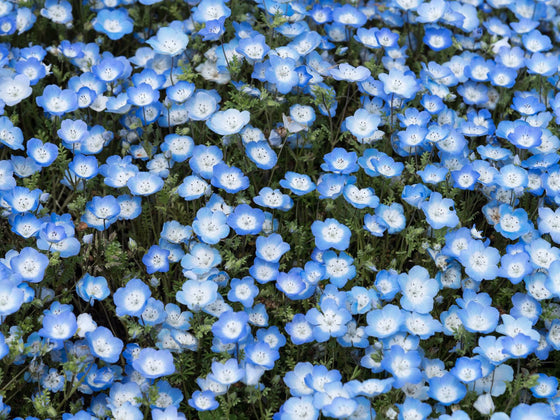
Grow baby blue eyes from seed in Australia: autumn sowing months for six climate zones, depth, spacing, shade, pots, pests and saving seed for next year.
| Position | Full sun to part shade |
|---|---|
| Depth | 2 to 3 mm |
| Spacing | 15 to 20 cm |
| First pick | Flowers in 12 to 16 weeks |